Missile Hits Central Tel Aviv as Iran Barrages Continue
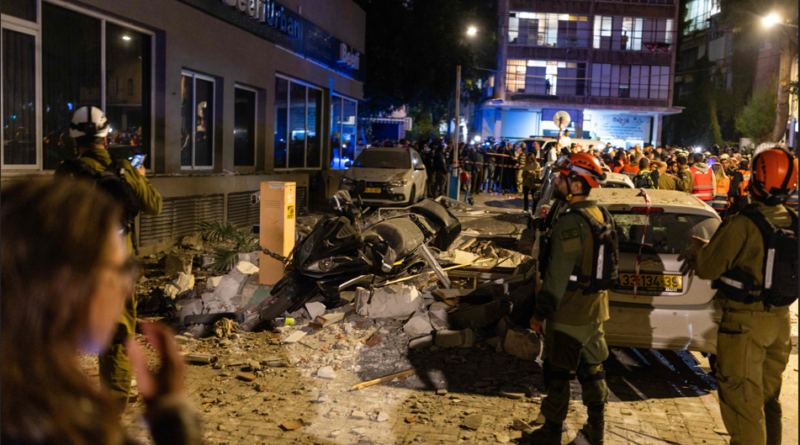
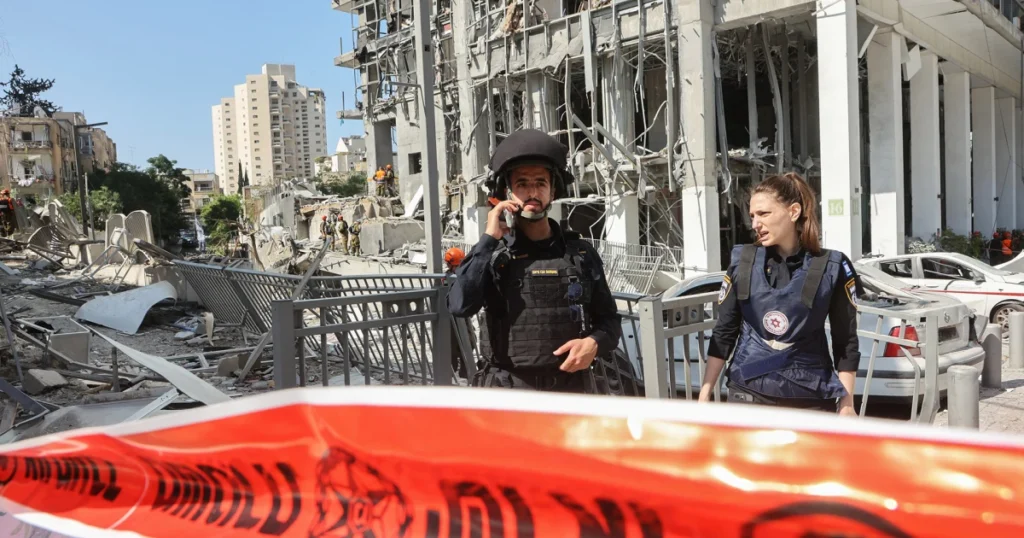
A missile struck a central street in Tel Aviv on Tuesday as Iran continued launching barrages targeting Israel and Gulf Arab states, intensifying the regional conflict.
Trump Delays Hormuz Deadline Amid Disputed Iran Talks
The attack occurred as Donald Trump said the United States was engaged in talks with Tehran aimed at ending the war. However, Iranian officials denied that any negotiations had taken place.
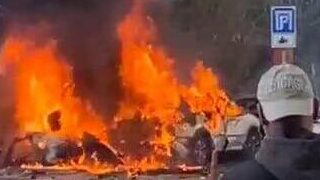
President Trump also extended a deadline for Iran to reopen the strategically critical Strait of Hormuz, delaying potential US airstrikes on Iranian power facilities. The announcement briefly eased oil prices and supported stock markets, following heightened fears over potential disruptions to energy supplies.
Over the weekend, the United States and Iran exchanged warnings over possible attacks that could have disrupted electricity supplies to millions across Iran and Gulf countries. Concerns were also raised about potential damage to desalination plants, which provide drinking water to several desert nations, as well as the risks posed to nuclear facilities.
Gulf States Targeted as Regional Conflict Widens Further
Despite US claims of diplomatic engagement, Mohammad Bagher Qalibaf stated that no negotiations had occurred, accusing the United States of spreading misinformation to influence financial and oil markets.
Meanwhile, Benjamin Netanyahu said Israel would continue its military operations against Iran and Lebanon regardless of any US ceasefire considerations. He indicated that further strikes were planned.
Iran’s diplomatic outreach has continued alongside the conflict. Abbas Araghchi has held discussions with counterparts from multiple countries, including Azerbaijan, Egypt, Oman, Pakistan, Russia, South Korea, Türkiye, and Turkmenistan, according to his office.
Read Also ;https://diplomatsworld.com/trump-issues-stark-warning
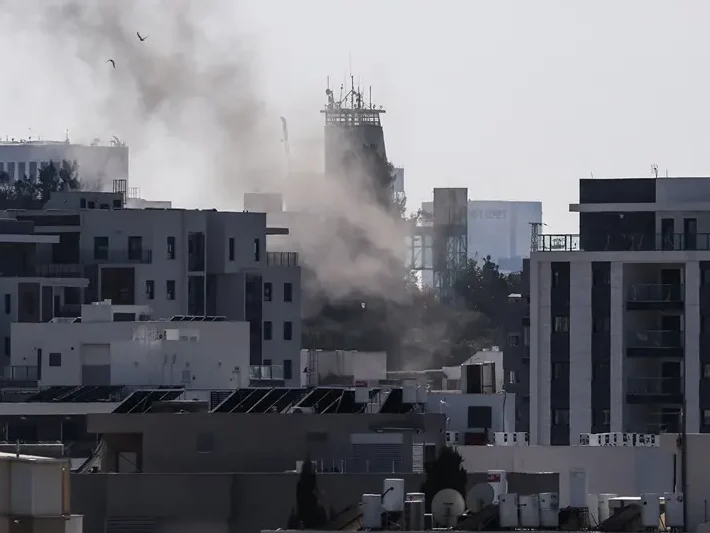
Early Tuesday, Iran launched multiple waves of missiles toward Israel. One missile carrying an estimated 100-kilogram warhead penetrated Israeli defenses and struck a street in central Tel Aviv, causing damage to nearby buildings and sending smoke into the air. Emergency responders reported that four people sustained minor injuries.
Oil Prices Volatile as War Escalation Fuels Uncertainty
Witnesses described scenes of destruction and panic following the strike. Residents emerging from shelters reported visible damage and widespread disruption in the immediate area.
In parallel, Israeli forces carried out strikes in Beirut, targeting what they described as infrastructure linked to Hezbollah. A strike on a residential apartment southeast of the capital killed at least two people, according to Lebanon’s Health Ministry.
The conflict has also affected Gulf countries. In Kuwait, falling debris from air defense activity damaged power lines, leading to temporary electricity outages. Missile alert sirens were activated in Bahrain, while Saudi Arabia reported intercepting 19 Iranian drones targeting its Eastern Province.
Oil markets have experienced volatility amid the escalating tensions. Prices briefly fell below $100 per barrel following President Trump’s comments on potential talks but later rebounded. Brent crude rose to approximately $104 per barrel, marking an increase of more than 40% since the conflict began on February 28.
President Trump initially set a deadline for Iran to reopen the Strait of Hormuz or face strikes on its power infrastructure but later extended the timeline by five days. Iran has allowed limited shipping through the waterway but has stated it will continue targeting vessels linked to the United States, Israel, or allied nations.
Iranian officials have expressed skepticism regarding US intentions. Esmail Kowsari stated that Washington’s actions were aimed at creating division and mistrust.
The extension of the deadline comes as US military forces, including thousands of Marines, are being deployed to the region, raising concerns about potential escalation. Strategic locations such as Kharg Island, a key hub in Iran’s oil export network, have been highlighted as possible focal points.
The United States has previously carried out strikes on the island’s defenses while stating that oil infrastructure was not targeted.
Iran has warned that any attempt to deploy ground forces could lead to further escalation, including the mining of Gulf waters, which would disrupt maritime traffic.
The conflict continues to escalate with significant casualties reported. Iran’s death toll has exceeded 1,500, while at least 15 people have been killed in Israel. In addition, 13 US military personnel and multiple civilians across the region have lost their lives.
No ceasefire agreement has been confirmed, and hostilities remain ongoing across multiple fronts.