Saudi Crown Prince, Starmer discuss Middle East crisis
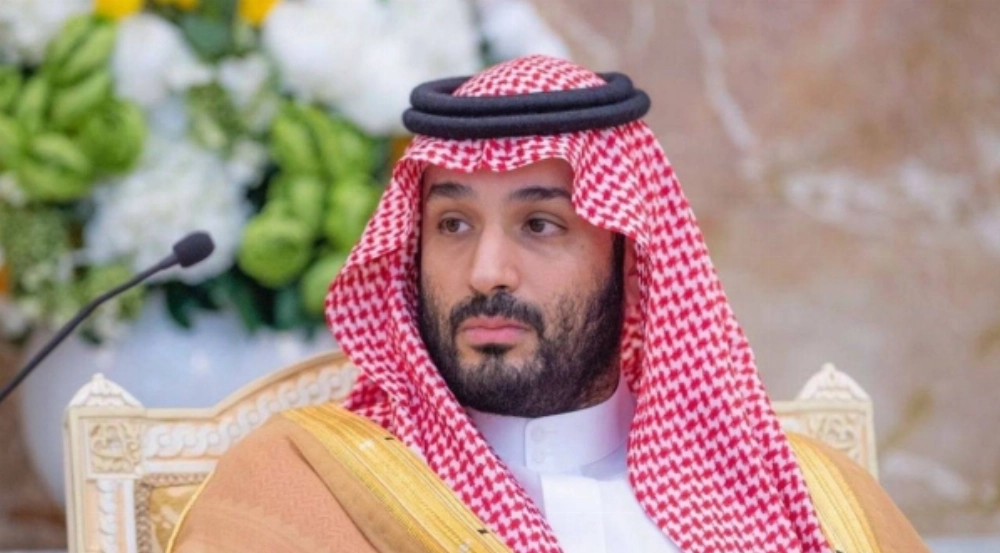
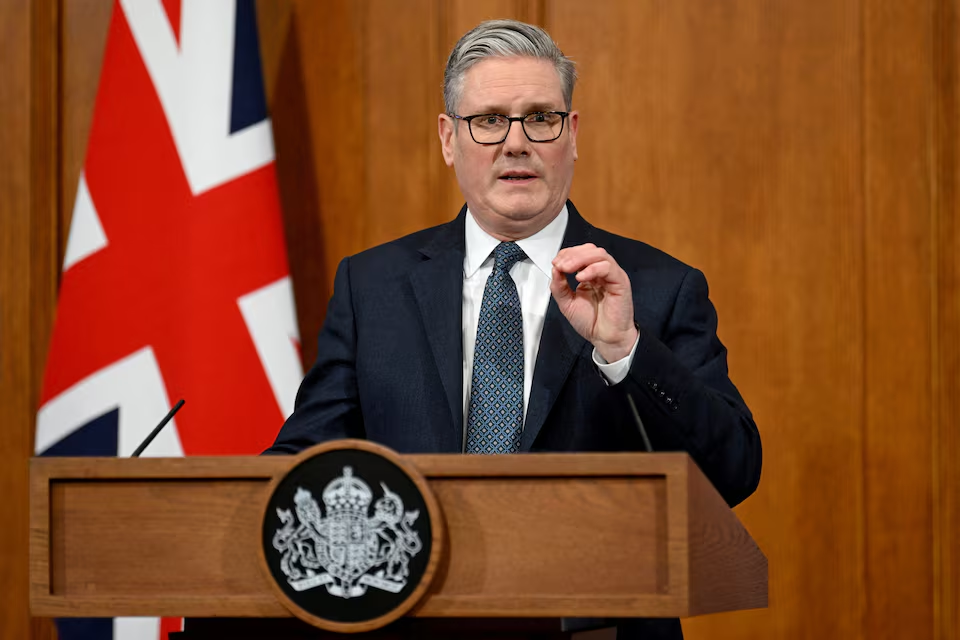
Saudi Crown Prince Mohammed bin Salman held a phone call with UK Prime Minister Keir Starmer to discuss the escalating regional situation in the Middle East, according to a report by the Saudi Press Agency.
UK backs Saudi Arabia amid escalating Iran conflict
During the conversation, Starmer reaffirmed the United Kingdom’s support for Saudi Arabia amid the ongoing crisis, which began on February 28 following military strikes on Iran by the United States and Israel. The conflict has since intensified, with Iran launching retaliatory attacks targeting multiple countries and strategic assets across the region.
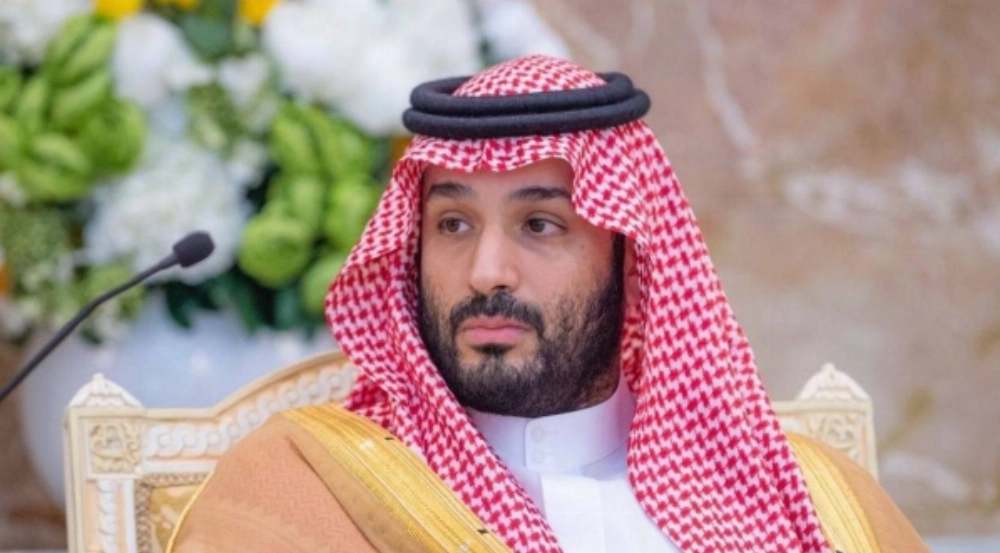
According to a statement released by the British prime minister’s office, Starmer strongly condemned Tehran’s actions, describing the continued assaults as alarming and unacceptable. He specifically highlighted Iran’s attacks on critical national infrastructure, emphasizing their serious implications for regional stability and global security.
Read Also ; Trump Extends Deadline Amid Claims of Iran Talks
The situation has rapidly deteriorated, with Iran reportedly targeting not only Israel and US-linked assets but also neighboring Arab states, including Saudi Arabia. These developments have heightened tensions across the Gulf region and disrupted economic stability, particularly in global energy markets. Oil prices have surged sharply in response to the ongoing hostilities and threats to key supply routes.
Iran attacks spark global energy and security concerns
Saudi Arabia has received widespread international support during the crisis. Several global leaders have expressed solidarity with the Kingdom as it faces continued security challenges. Among them, French President Emmanuel Macron held a separate call with Crown Prince Mohammed bin Salman earlier in the week, during which he reiterated France’s backing and condemned Iran’s repeated attacks on Saudi territory.
Reports indicate that Iran has launched an extensive campaign involving missiles and drones aimed primarily at Saudi Arabia’s Eastern Province, a region that houses critical oil and energy infrastructure. Since the outbreak of the conflict, at least 44 ballistic missiles, seven cruise missiles, and more than 600 drones have been directed toward the Kingdom, significantly escalating the scale of military engagement.
In addition to direct attacks, Tehran has taken steps to disrupt global trade by blocking the strategically vital Strait of Hormuz. The waterway is a crucial passage for oil shipments and other essential goods. Iranian authorities have declared that the route will remain closed until the United States and Israel halt their military operations against Iran.
France joins allies in condemning strikes on Saudi
The blockade has raised serious concerns among global markets and policymakers, as any prolonged disruption in the Strait of Hormuz could have far-reaching consequences for international trade and energy supply chains. Analysts warn that continued instability in the region may further strain economic growth and increase volatility in oil prices.
Meanwhile, US President Donald Trump has indicated that diplomatic efforts to resolve the conflict are ongoing. Speaking on the situation, Trump suggested that discussions with relevant parties are progressing, noting that those involved appear eager to reach a negotiated settlement.
Despite these diplomatic signals, tensions remain high, with ongoing military exchanges and no immediate resolution in sight. The combination of sustained attacks, economic disruption, and geopolitical uncertainty continues to pose significant risks to regional and global stability.