Pakistan emerges as bridge-builder in US-Iran tensions
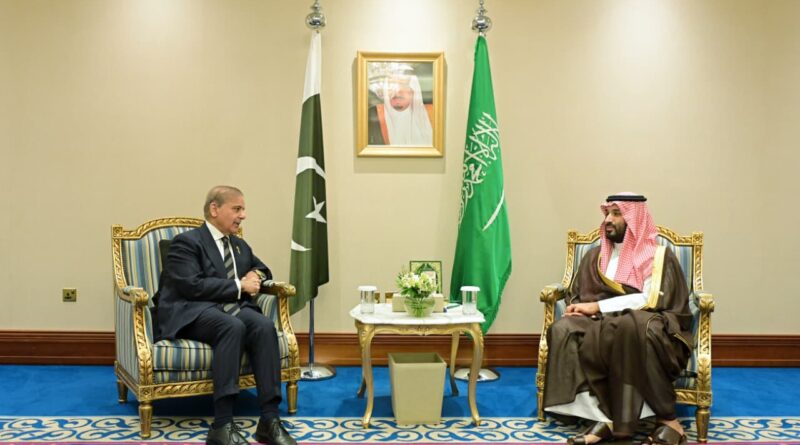
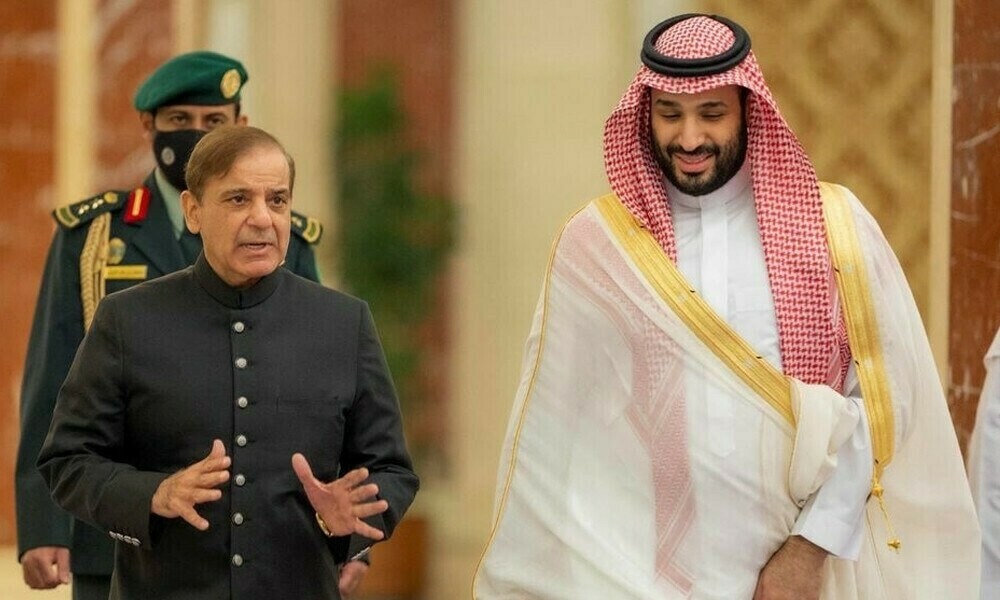
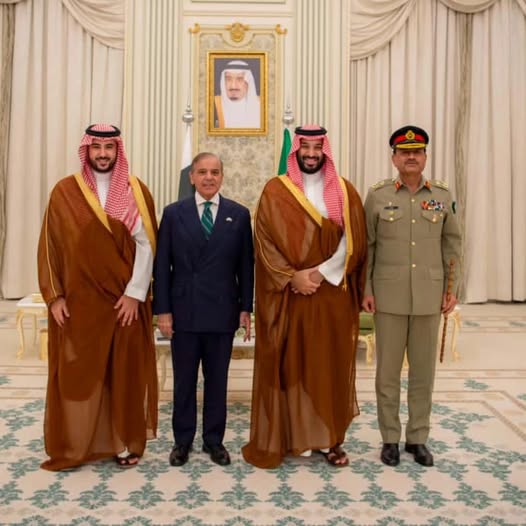
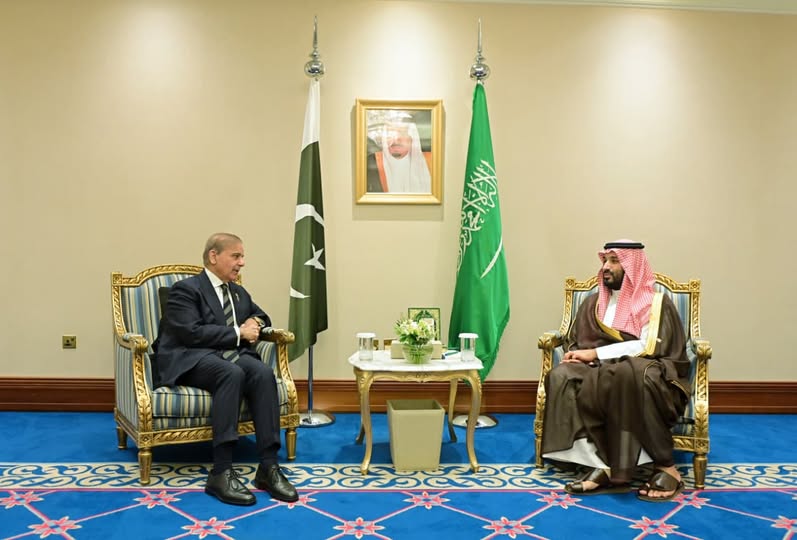
Prime Minister Shehbaz Sharif has further strengthened Pakistan’s diplomatic engagement in the ongoing regional crisis through a high-level telephonic conversation with Saudi Crown Prince Mohammed bin Salman, underscoring Islamabad’s active role in promoting stability and coordination with key regional partners.
Shehbaz, MBS discuss regional tensions in key call
Pakistan has re-emerged as a focal point of global diplomacy in a notable strategic shift, transforming from a country once perceived as diplomatically isolated into an increasingly influential player in regional and international affairs.
Just a few years ago, Pakistan faced significant diplomatic and economic uncertainty, compounded by a sense of global disengagement. Today, however, it is being actively discussed as a potential mediator in one of the most sensitive and far-reaching conflicts of recent times, underscoring a remarkable turnaround in its international standing.
Amid the widespread global impact of the ongoing Iran war, when prospects for an immediate resolution appeared limited, Pakistan captured international attention earlier this week. Multiple global media outlets, citing sources, reported that Islamabad is quietly facilitating communication between the United States and Iran. This development reflects a coordinated strategy centered on strengthening diplomatic outreach and ensuring close civil-military coordination.
Islamabad expands diplomatic role amid escalating Middle East crisis
A central element of this effort is the working relationship between Prime Minister Shehbaz Sharif and Chief of Army Staff Asim Munir. Their alignment highlights a blend of political leadership and institutional support, enabling Pakistan to respond effectively to complex geopolitical challenges. The prime minister has also предложed Islamabad as a potential venue for negotiations between Washington and Tehran, signaling Pakistan’s commitment to facilitating peace.
In a statement shared on the social media platform X, Shehbaz Sharif emphasized that Pakistan stands ready to support meaningful and result-oriented dialogue. Shortly afterward, US President Donald Trump reposted the statement, a move interpreted as a cautious endorsement that has fueled optimism about potential diplomatic progress.
Read Also ; Saudi Crown Prince, Starmer discuss Middle East crisis
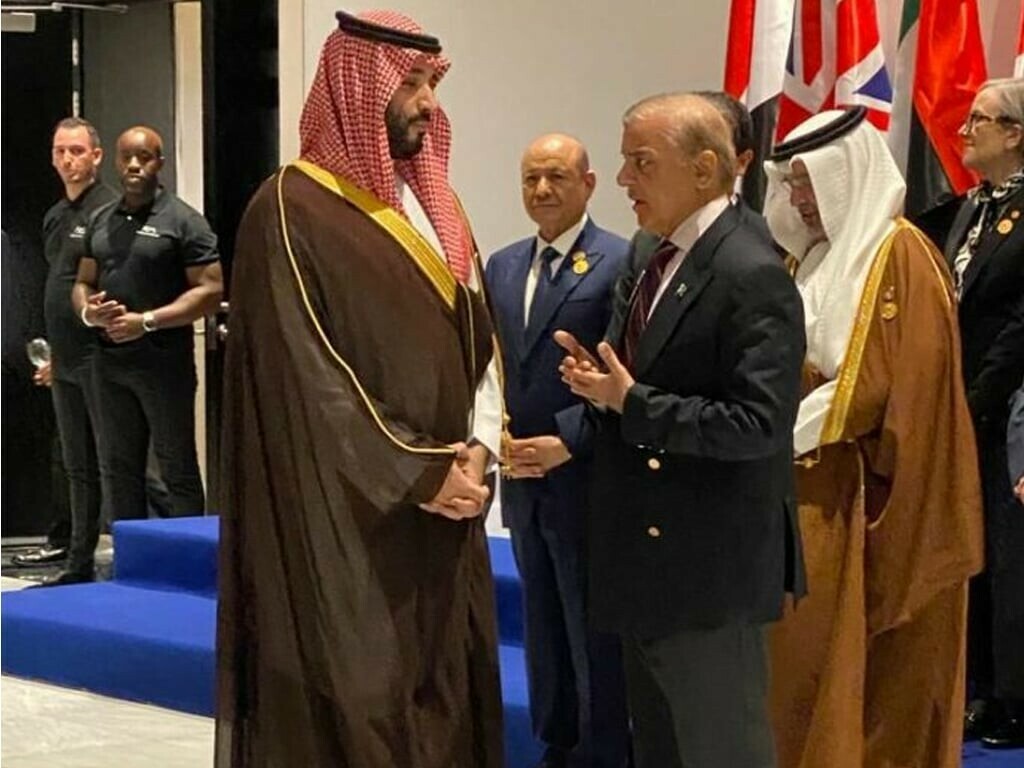
The latest telephonic contact with the Saudi leadership further highlights Pakistan’s growing diplomatic coordination with regional allies. According to the Saudi Press Agency, both leaders discussed the evolving regional situation, the broader implications of rising tensions, and ongoing diplomatic efforts aimed at restoring peace and stability.
Global focus shifts to Pakistan’s growing diplomatic influence
During the conversation, Prime Minister Shehbaz Sharif reaffirmed Pakistan’s strong support for Saudi Arabia, condemning attacks targeting the Kingdom’s security and sovereignty. He reiterated that Pakistan stands firmly and consistently with Saudi Arabia, reflecting longstanding bilateral ties and mutual strategic interests.
Pakistan’s expanding diplomatic engagement is also evident in its coordination with key regional states, including Turkey and Egypt. Senior leadership, including Foreign Minister Ishaq Dar, who also serves as deputy prime minister, remains actively engaged with global stakeholders.
This resurgence is underpinned by strong civil-military coordination. The consistent alignment between Shehbaz Sharif and Asim Munir has proven critical in managing regional tensions, including past crises with India, where Pakistan’s measured approach received international recognition.
Global observers have acknowledged Pakistan’s restraint and clarity in navigating complex regional dynamics. The country has projected itself as a responsible nuclear state committed to dialogue and de-escalation, earning appreciation from influential capitals, particularly Washington.
The ongoing conflict involving the United States and Israel against Iran remains one of the most serious geopolitical crises in recent years, with far-reaching global consequences. In this context, Pakistan’s role continues to expand beyond its traditional boundaries.
Whether in South Asia or the Middle East, Islamabad is increasingly being viewed not as a passive observer but as a bridge-builder capable of facilitating dialogue between adversaries. In a world facing heightened instability, Pakistan’s renewed diplomatic engagement positions it as a constructive force and a potential source of stability for the international community.