
Pakistan ensures stable oil supply amid global volatility
Pakistan’s government has reaffirmed that the country’s oil and gas reserves remain at satisfactory levels, while also advancing key energy reforms aimed at boosting industrial efficiency and long-term economic growth.
Cabinet confirms satisfactory petroleum reserves nationwide
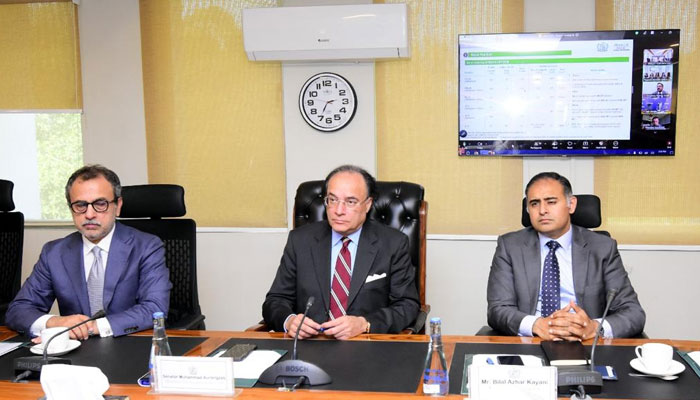
The update came during a meeting of the cabinet committee on petroleum, chaired by Finance Minister Muhammad Aurangzeb, where officials reviewed the overall supply situation of petroleum products across the country.

According to the briefing, Pakistan currently maintains adequate reserves of oil and gas, supported by stable import arrangements and consistent domestic production. Authorities confirmed that the supply chain for petroleum products is functioning normally, with refineries operating at regular capacity to meet national demand.
Officials further noted that significant volumes of petrol cargoes for March and April have already been secured, ensuring uninterrupted availability in the near term. The cabinet committee directed refineries to maintain their production levels to sustain supply stability amid fluctuating global market conditions.
Power Division plans multi-tariff system for industries
The meeting also included a detailed assessment of volatility in international oil prices. Authorities highlighted that the government is continuously monitoring the gap between global and domestic prices while pursuing government-to-government agreements to further strengthen energy supply. A diversified import strategy is also being implemented to reduce reliance on limited sources.
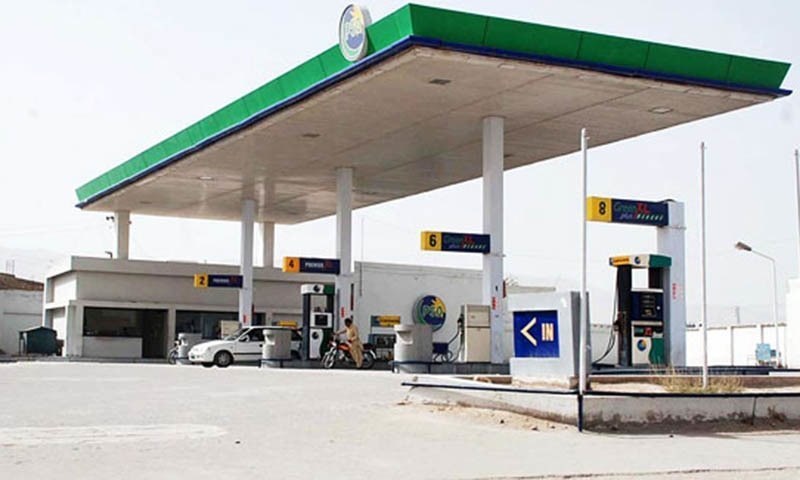
Finance Minister Muhammad Aurangzeb instructed relevant institutions to remain vigilant and closely monitor developments, emphasizing that uninterrupted petroleum supply remains a top government priority.
Read also ; Pakistan expresses solidarity amid rising regional conflict
In parallel, the Power Division is considering a major reform initiative for industrial electricity consumers through the introduction of an optional multi-tariff system based on Time of Use (TOU).
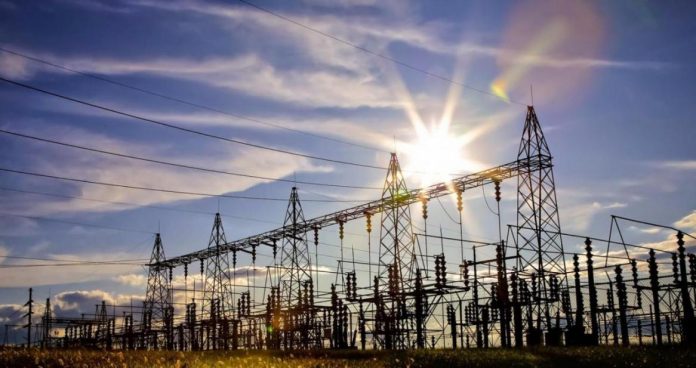
According to a spokesperson for the Power Division, the proposed system would allow industrial users to benefit from variable electricity rates depending on the time of consumption. Fixed charges would be determined based on maximum demand, while incentives would encourage industries to shift electricity usage to off-peak hours.
The initiative is aimed at reducing peak demand pressure on the national grid, thereby improving overall system efficiency. Officials expect that access to lower-cost electricity during off-peak periods will help enhance industrial productivity and competitiveness.
Energy reforms expected to support long-term growth
The Power Division has also decided to engage stakeholders before finalizing the proposed tariff structure. Consultations will be held with industrial consumers and chambers of commerce, with the first online consultative conference on the multi-tariff TOU system scheduled for March 26.
Authorities believe that these power sector reforms will contribute to long-term economic growth while promoting energy conservation. The proposed tariff framework is expected to support more efficient energy use and reduce strain on the electricity system.
Together, these measures reflect the government’s broader strategy to ensure energy security, stabilize supply chains, and implement structural reforms aimed at strengthening Pakistan’s economic outlook.