US Senate blocks move to limit Trump war powers
The United States Senate has rejected a resolution aimed at limiting presidential war powers, as geopolitical tensions with Iran continue to escalate and diplomatic efforts remain underway.
Congress divided over military action against Iran
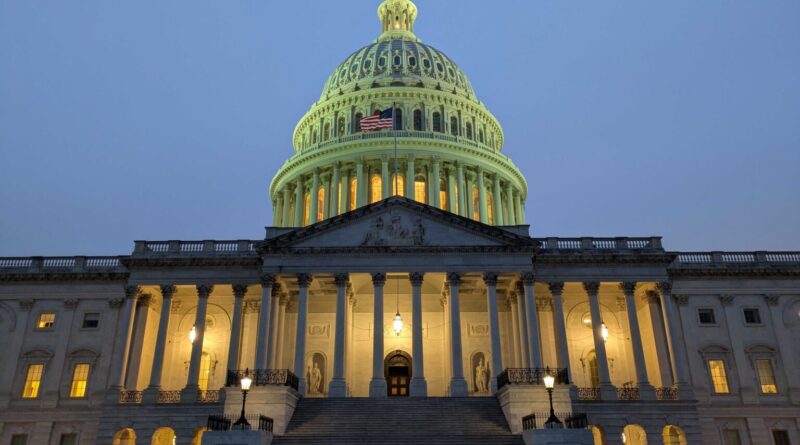
In a 53-47 vote, the Senate blocked a measure that sought to restrict President Donald Trump from conducting military operations against Iran without prior congressional approval. The resolution, introduced by Senators Tim Kaine and Rand Paul, would have required the administration to halt military action unless explicitly authorized by lawmakers.

A majority of senators ultimately supported the continuation of the current military campaign, preventing the resolution from advancing. The vote underscores ongoing divisions within Congress regarding the extent of presidential authority in matters of war and the United States’ involvement in the intensifying Middle East conflict.
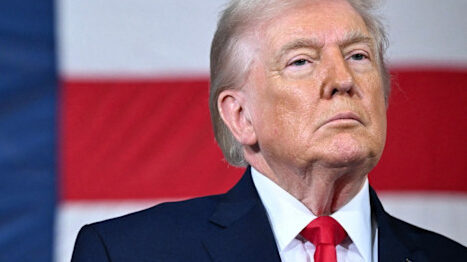
Despite the military posture, President Trump indicated that diplomatic engagement remains active. He stated that “constructive talks” had taken place with Iran and confirmed that planned strikes on Iranian energy facilities had been postponed for five days. Previously, he had warned of possible military action if Tehran did not reopen the strategically critical Strait of Hormuz.
Trump signals talks while delaying planned strikes
Meanwhile, nuclear safety concerns have drawn international attention. The International Atomic Energy Agency reported that a projectile struck near the Bushehr Nuclear Power Plant, though no damage or injuries were recorded. The agency confirmed that the facility continues to operate under normal conditions.
read also ; https://diplomatsworld.com/us-proposes-15-point-plan-to-end-iran-conflict/
IAEA Director General Rafael Mariano Grossi reiterated calls for maximum restraint, warning of potential nuclear safety risks amid ongoing hostilities. Earlier, Russia had also expressed concern over the plant’s safety due to nearby military activity.
IAEA warns of risks near Bushehr nuclear plant
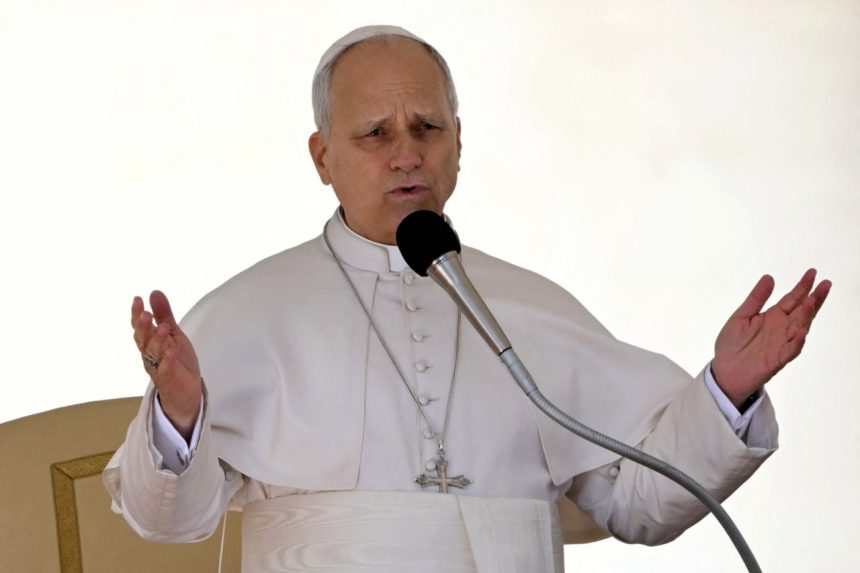
Global calls for de-escalation have continued to grow. Pope Leo XIV voiced concern over the worsening situation, urging an immediate ceasefire and a return to dialogue. Speaking to reporters, he emphasized that violence and hatred are increasing and that lasting solutions can only be achieved through negotiations rather than military action.
His remarks come as reports suggest Washington is considering deploying thousands of additional troops to the region as part of a broader military buildup, raising fears of a prolonged conflict.
Pope calls for ceasefire amid rising Middle East tensions
At the same time, indirect diplomatic contacts between the United States and Iran are ongoing through mediators, including Egypt, Turkey, Pakistan, and Oman. These efforts are aimed at exploring possible pathways toward de-escalation and a negotiated settlement.
The developments reflect a complex situation in which military escalation and diplomatic initiatives are unfolding simultaneously, leaving the trajectory of the conflict uncertain as global stakeholders push for restraint and dialogue