
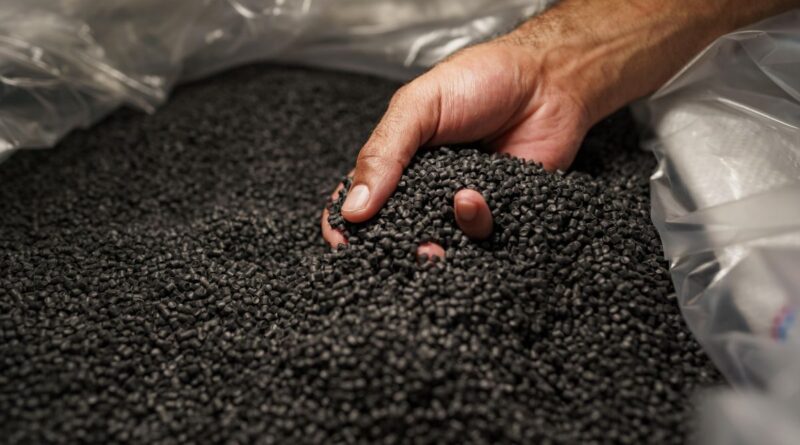
Russia Poised to Benefit from Rising Global Fertilizer Prices
Conflict Enters Fourth Week, Intensifying Economic Ripple Effects
Russia is positioned to gain significantly from surging global fertilizer prices as the ongoing conflict involving the United States, Israel, and Iran continues to disrupt key supply chains. The war, now in its fourth week, has created ripple effects across global commodity markets, particularly in the energy and agricultural sectors, where supply constraints are becoming increasingly pronounced.
Strait of Hormuz Disruptions Impact Fertilizer and Energy Trade
The escalation has led to damage to critical energy infrastructure in the Gulf region, a development that has tightened the availability of essential inputs required for fertilizer production. These disruptions have coincided with restrictions in shipping through the Strait of Hormuz, a vital transit route for both fuel and fertilizer exports. As a result, global supplies of key crop nutrients have been significantly constrained, driving prices upward.
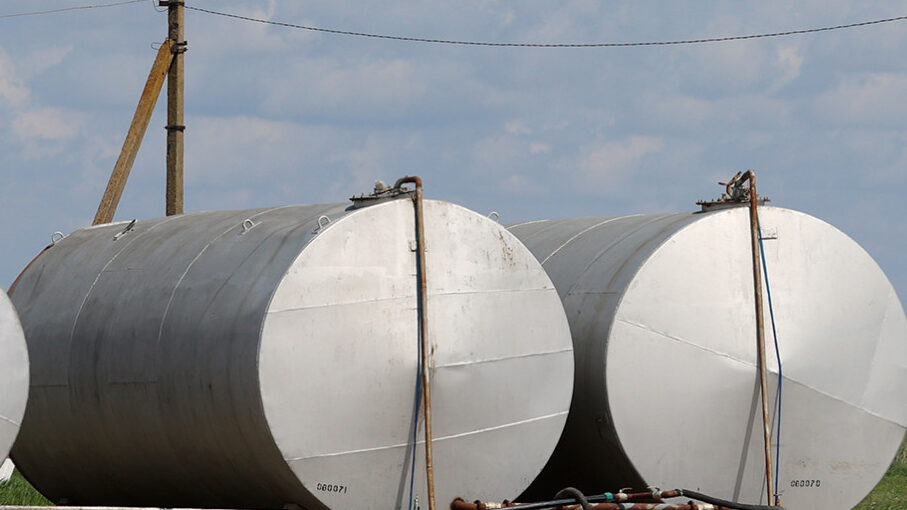
Russia, already a major global exporter of fertilizers, is expected to benefit from these market conditions. The country has previously capitalized on elevated oil and gas prices, and the current surge in fertilizer prices adds another layer to its economic gains. Higher prices for nitrogen, phosphate, and potash-based fertilizers are likely to boost Moscow’s export revenues, strengthening its position in global commodity markets.
The tightening of supply chains has raised concerns among agricultural producers worldwide. Fertilizers are essential for maintaining crop yields, and any sustained increase in prices could impact food production costs. Analysts warn that prolonged disruptions in supply could place additional pressure on global food security, particularly in regions heavily dependent on imports.
Moscow Gains Amid Higher Oil, Gas, and Fertilizer Revenues
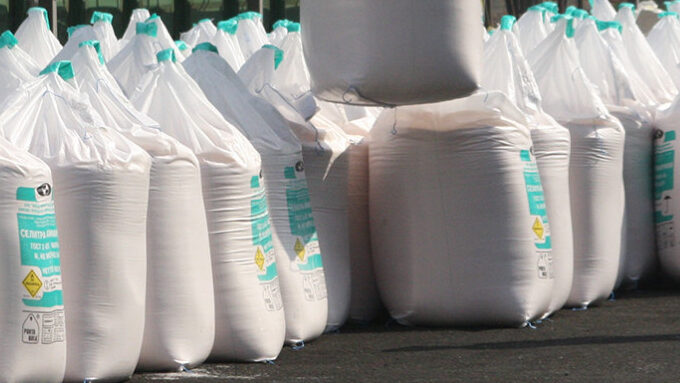
Shipping constraints through the Strait of Hormuz have further compounded the situation. The waterway is a critical artery for the movement of energy products and raw materials used in fertilizer manufacturing. Any interruption in traffic through this route not only delays shipments but also increases transportation costs, contributing to overall price volatility in global markets.
read also ; Pakistan ensures stable oil supply amid global volatility
The ongoing conflict has also introduced uncertainty into long-term supply planning. Market participants are closely monitoring developments, as continued instability could lead to further disruptions. Energy prices, which are closely linked to fertilizer production costs, have already shown signs of volatility, adding to the challenges faced by producers and consumers alike.

Russia’s ability to expand its market share during this period depends on its capacity to maintain steady production and export flows. With other suppliers facing logistical and operational challenges, Moscow is well-positioned to fill gaps in the market. This dynamic could reinforce its influence over global fertilizer supply chains in the near term.
At the same time, the broader economic implications of the conflict continue to unfold. The interconnected nature of energy and agricultural markets means that disruptions in one sector can quickly impact others. As fertilizer prices rise, the effects are likely to be felt across the global food system, influencing everything from farm input costs to consumer prices.
Global Agriculture Faces Pressure from Supply Chain Constraints
The situation underscores the vulnerability of global supply chains to geopolitical tensions. The combination of infrastructure damage, shipping disruptions, and market uncertainty has created a complex environment for both producers and consumers. While Russia stands to benefit economically, the broader impact on global markets remains a source of concern.
As the conflict persists, attention will remain focused on key transit routes and production hubs. The trajectory of fertilizer prices will depend on the duration and intensity of disruptions, as well as the ability of alternative suppliers to respond. In the meantime, the current environment highlights the strategic importance of fertilizers in the global economy and the far-reaching consequences of supply chain disruptions.