Trump Seeks Rapid End To Conflict With Iranian Leadership
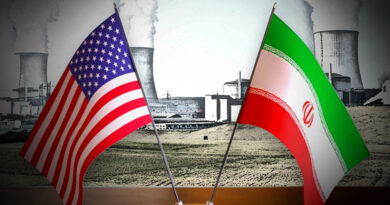
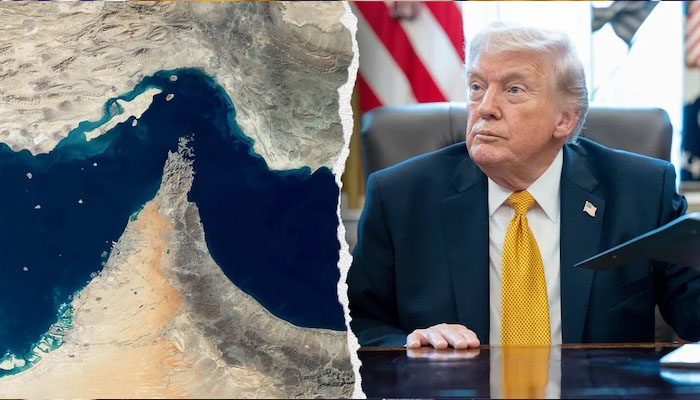
President Donald Trump has expressed a definitive desire to conclude military hostilities against Iran, according to reports from prominent American media outlets. Citing high-ranking administration officials, the reports indicate that the President has informed his advisors of his intent to end the conflict even before the complex logistical operations required to fully reopen the Strait of Hormuz are completed.
White House Reports Progress In Private Negotiations With Tehran
This strategic shift suggests a prioritization of diplomatic resolution over prolonged military engagement, though the administration maintains a dual-track approach involving severe threats of escalation should negotiations falter.
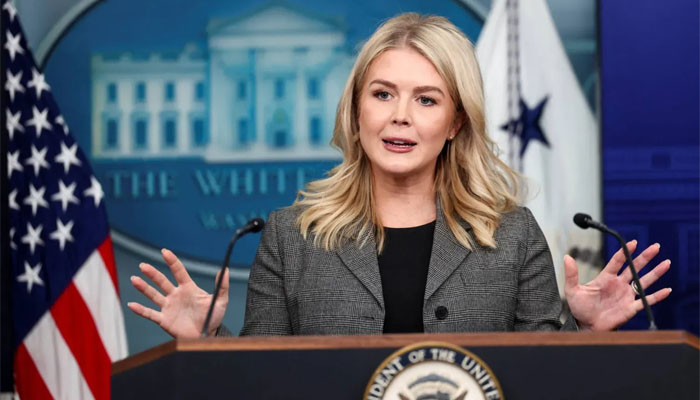
White House Press Secretary Karoline Leavitt corroborated this diplomatic momentum during a recent press briefing, stating that productive discussions regarding the conflict are currently underway. According to Leavitt, the Iranian side has already signaled agreement with several specific American proposals. The administration currently anticipates that the conflict may last between four to six weeks, with President Trump aiming to secure a comprehensive deal before a self-imposed deadline of April 6.
President Trump Sets Deadline For Iranian Maritime Trade Agreement
Despite these optimistic projections, Leavitt noted a distinction between private diplomatic assurances and public rhetoric, emphasizing that the United States will rigorously verify all commitments made by Tehran.
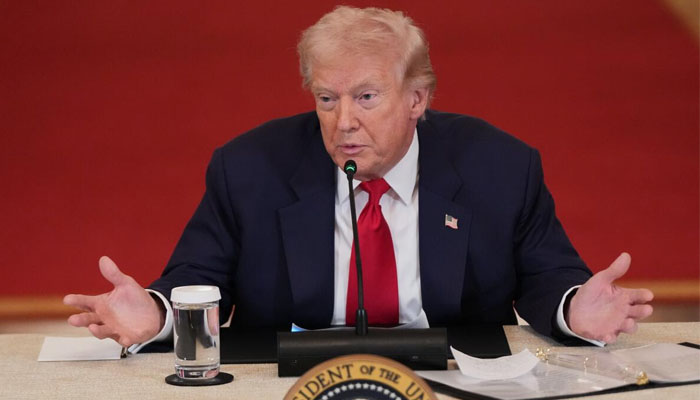
A central component of the current American strategy involves the assertion that a significant leadership transition has occurred within the Iranian government. President Trump has publicly claimed that the United States is now engaging with “new people” who have demonstrated a more reasonable approach than their predecessors. Specifically, the President mentioned Iranian Speaker Mohammad Bagher Ghalibaf, noting that his willingness to cooperate with Washington would be clarified within the coming week. Furthermore, the President raised questions regarding the status of Iran’s Supreme Leadership, suggesting that while Mojtaba Khamenei is believed to be alive, his health is reportedly in a state of decline.
Trump Issues Stern Warning Regarding Critical Iranian National Infrastructure
The urgency of these negotiations is underscored by the President’s explicit warnings regarding Iranian infrastructure. In recent statements, Trump cautioned that a failure to reach an agreement or a delay in reopening the Strait of Hormuz would result in targeted strikes.
The specified targets include electrical power plants, oil wells, and water desalination facilities—sites the President noted have been intentionally avoided by the U.S. military up to this point. This “maximum pressure” tactic is designed to compel the new Iranian leadership to facilitate the passage of maritime traffic through the world’s most critical energy corridor.
read also ; Iranian Military Claims Significant US Casualties in Precision Missile Strikes
Regarding the financial aspects of the conflict, the White House suggested that President Trump might request Gulf Arab nations to contribute to the costs of the military operations. While this remains a proposal under consideration, it reflects the administration’s broader policy of burden-sharing among regional allies. Simultaneously, the United States has maintained a firm stance against Iranian efforts to impose toll taxes on vessels navigating the Strait of Hormuz. Despite the ongoing tension, the White House expects approximately 20 tankers to transit the strait in the coming days, signaling a tentative hope for the restoration of global shipping routes.
Washington Evaluates Leadership Transition Amid Ongoing Iranian Diplomatic Strains
Conversely, the Iranian Ministry of Foreign Affairs has officially denied engaging in any direct negotiations with the United States. Spokesperson Esmaeil Baghaei clarified that communication remains strictly indirect, with messages being transmitted through established international third-party mediators.
This contradiction between Washington’s claims of direct engagement and Tehran’s insistence on mediation highlights the delicate nature of the current diplomatic environment. As the April 6 deadline approaches, the international community remains focused on whether these backdoor communications will yield a formal cessation of hostilities or lead to the infrastructure destruction threatened by the Trump administration.