Washington and Tehran Navigate Escalating Strategic Tensions and Threats
Trump Delays Energy Strikes Amid Complex Diplomatic Standoff
Exclusive from Diplomats World Written by : Naeem Mehboob
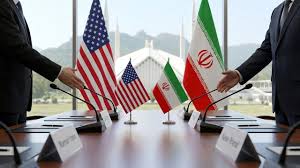
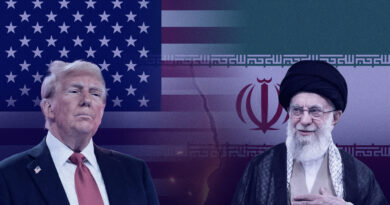
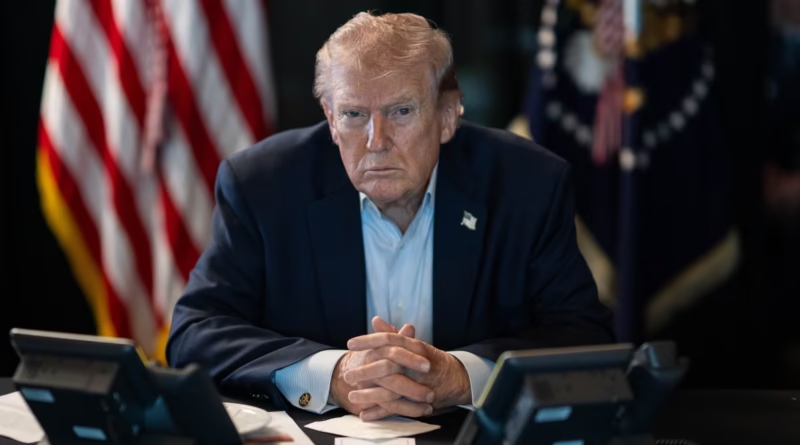
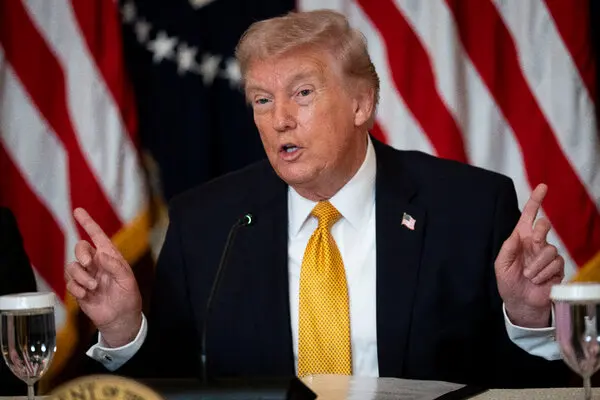
United States President Donald Trump has officially postponed a proposed military strike against Iran’s energy infrastructure, initiating a five-day pause in planned operations. The administration cited “positive and productive” discussions with Iranian representatives as the primary reason for the delay. However, the decision has sparked an international debate regarding the practical limits of American military influence in the Middle East. While Washington suggests a diplomatic breakthrough, Tehran has publicly challenged this narrative, creating a significant discrepancy in the official accounts provided by both nations regarding the current state of negotiations.

Iranian Officials Deny Direct Negotiations With United States
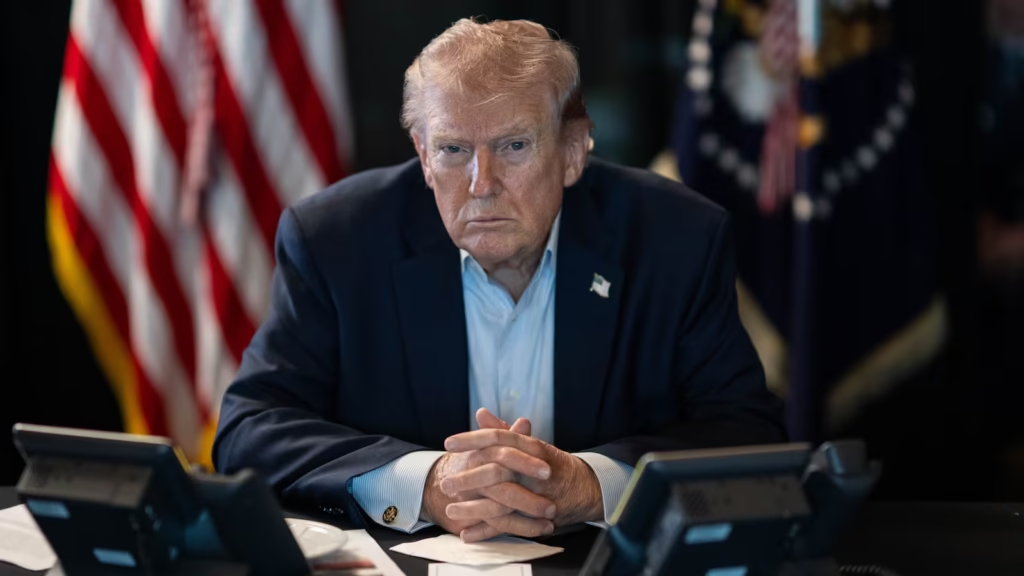
Following the announcement from the White House, Iranian authorities issued a swift rebuttal, categorically denying that any direct talks had occurred between the two adversaries. Tehran characterized the American claims of productive dialogue as a misrepresentation of the current geopolitical climate. Strategic analysts suggest this contradiction highlights a deepening rift in communication and indicates that Washington may be recalibrating its public stance due to shifting regional realities. The lack of a unified narrative suggests that the five-day delay may be a tactical maneuver rather than a confirmed diplomatic resolution.
Tehran Warns of Retaliation Against Gulf Energy Infrastructure
Iran issued a stern warning in response to the initial American threats, stating that any military action against its domestic energy sector would trigger immediate retaliatory strikes across the Gulf region. Iranian officials specifically identified critical infrastructure in neighboring states as potential targets, including desalination plants that serve as the primary source of potable water for several nations. This escalatory rhetoric underscores Iran’s “active defense” strategy, aiming to demonstrate that any disruption to its own economy would result in a shared regional crisis affecting water and energy security.
Strategic Risks Involving the Vital Strait of Hormuz
In addition to targeting regional infrastructure, Iranian military leadership signaled the potential closure of the Strait of Hormuz, a move that would cripple global energy markets. As one of the world’s most vital maritime corridors for oil and gas transit, a blockade would have immediate and severe consequences for the global economy. Tehran also indicated it would intensify operations against Israeli interests if the United States proceeded with its strike plan. These threats serve as a reminder of Iran’s geographic leverage and its ability to project power far beyond its own borders.
International Law Influences Iran’s Evolving Military Strategy
Following a briefing from United Nations representatives regarding the legal implications of targeting civilian water supplies, Tehran appeared to modify its retaliatory stance. The UN cautioned that intentional attacks on desalination plants could be classified as war crimes under international humanitarian law. In response, Iranian officials indicated a shift in focus, suggesting that future targets might instead be restricted to power grids. This adjustment is viewed by experts as a “technical pivot” designed to maintain strategic pressure while avoiding the severe legal and diplomatic blowback associated with targeting essential civilian life-support systems.
Revolutionary Guard Dismisses American Claims as Misleading Rhetoric
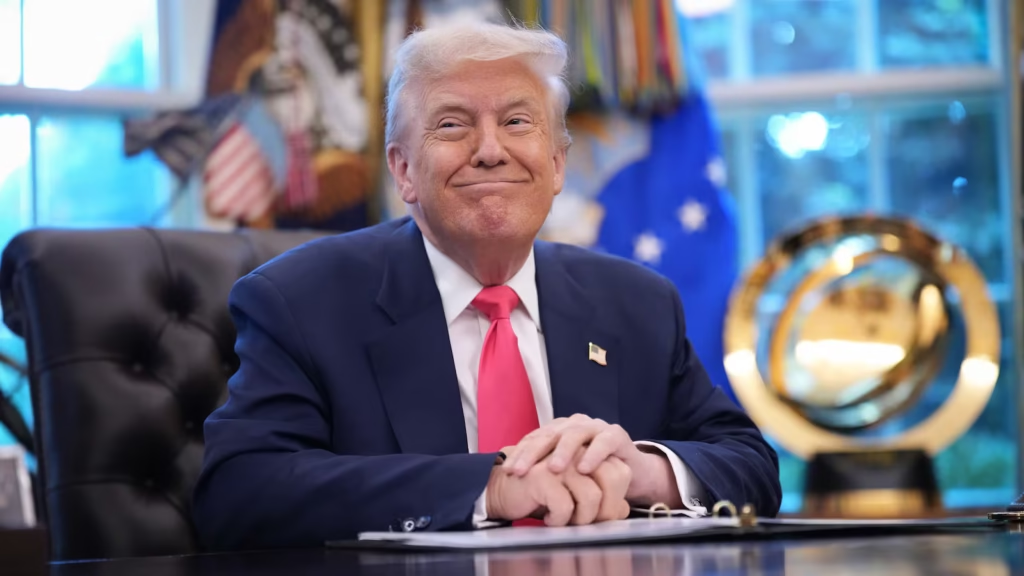
Iranian state media, echoing the sentiment of the Islamic Revolutionary Guard Corps (IRGC), labeled the American administration’s accusations as baseless and “misleading.” The IRGC maintained that it has no intention of targeting purely civilian installations and accused the United States of attempting to incite panic throughout the Middle East. This defensive posture aims to frame the U.S. as the primary aggressor while positioning Iran as a calculated actor responding to external threats. The rhetoric reflects a sophisticated information war being fought alongside the physical military buildup.
Geographic Realities Limit Washington’s Military Options in Region
Military analysts observe that while the United States maintains undisputed conventional superiority, Iran’s asymmetric capabilities present a complex challenge for Washington. The potential for a regional conflagration involving energy corridors and proxy conflicts creates a high-stakes environment where direct military action carries immense economic risks. The current situation reflects a realization that striking Iranian soil could trigger a chain reaction that destabilizes the global economy, forcing major powers to weigh the benefits of a “maximum pressure” campaign against the costs of a full-scale regional war.
Fragile EquilibriuHeadline: Trump Delays Energy Strikes Amid Complex Diplomatic Standoff United States President Donald Trump has officially postponed a proposed military strike against Iran’s energy infrastructure, initiating a five-day pause in planned operations. The administration cited “positive and productive” discussions with Iranian representatives as the primary reason for the delay. However, the decision has sparked an international debate regarding the practical limits of American military influence in the Middle East. While Washington suggests a diplomatic breakthrough, Tehran has publicly challenged this narrative, creating a significant discrepancy in the official accounts provided by both nations regarding the current state of negotiations.
Headline: Iranian Officials Deny Direct Negotiations With United States Following the announcement from the White House, Iranian authorities issued a swift rebuttal, categorically denying that any direct talks had occurred between the two adversaries. Tehran characterized the American claims of productive dialogue as a misrepresentation of the current geopolitical climate. Strategic analysts suggest this contradiction highlights a deepening rift in communication and indicates that Washington may be recalibrating its public stance due to shifting regional realities. The lack of a unified narrative suggests that the five-day delay may be a tactical maneuver rather than a confirmed diplomatic resolution.
Headline: Tehran Warns of Retaliation Against Gulf Energy Infrastructure Iran issued a stern warning in response to the initial American threats, stating that any military action against its domestic energy sector would trigger immediate retaliatory strikes across the Gulf region. Iranian officials specifically identified critical infrastructure in neighboring states as potential targets, including desalination plants that serve as the primary source of potable water for several nations. This escalatory rhetoric underscores Iran’s “active defense” strategy, aiming to demonstrate that any disruption to its own economy would result in a shared regional crisis affecting water and energy security.
Headline: Strategic Risks Involving the Vital Strait of Hormuz In addition to targeting regional infrastructure, Iranian military leadership signaled the potential closure of the Strait of Hormuz, a move that would cripple global energy markets. As one of the world’s most vital maritime corridors for oil and gas transit, a blockade would have immediate and severe consequences for the global economy. Tehran also indicated it would intensify operations against Israeli interests if the United States proceeded with its strike plan. These threats serve as a reminder of Iran’s geographic leverage and its ability to project power far beyond its own borders.
Headline: International Law Influences Iran’s Evolving Military Strategy Following a briefing from United Nations representatives regarding the legal implications of targeting civilian water supplies, Tehran appeared to modify its retaliatory stance. The UN cautioned that intentional attacks on desalination plants could be classified as war crimes under international humanitarian law. In response, Iranian officials indicated a shift in focus, suggesting that future targets might instead be restricted to power grids. This adjustment is viewed by experts as a “technical pivot” designed to maintain strategic pressure while avoiding the severe legal and diplomatic blowback associated with targeting essential civilian life-support systems.
read more ; Pakistan expresses solidarity amid rising regional conflict
Headline: Revolutionary Guard Dismisses American Claims as Misleading Rhetoric Iranian state media, echoing the sentiment of the Islamic Revolutionary Guard Corps (IRGC), labeled the American administration’s accusations as baseless and “misleading.” The IRGC maintained that it has no intention of targeting purely civilian installations and accused the United States of attempting to incite panic throughout the Middle East. This defensive posture aims to frame the U.S. as the primary aggressor while positioning Iran as a calculated actor responding to external threats. The rhetoric reflects a sophisticated information war being fought alongside the physical military buildup.
Headline: Geographic Realities Limit Washington’s Military Options in Region Military analysts observe that while the United States maintains undisputed conventional superiority, Iran’s asymmetric capabilities present a complex challenge for Washington. The potential for a regional conflagration—involving energy corridors and proxy conflicts—creates a high-stakes environment where direct military action carries immense economic risks. The current situation reflects a realization that striking Iranian soil could trigger a chain reaction that destabilizes the global economy, forcing major powers to weigh the benefits of a “maximum pressure” campaign against the costs of a full-scale regional war.
Fragile Equilibrium Defines Current Middle East Security Landscape
The ongoing cycle of threats, delays, and limited diplomatic signals suggests that all parties are currently prioritizing a fragile balance over total conflict. While both Washington and Tehran continue to employ aggressive rhetoric to satisfy domestic audiences and project strength, their actions indicate a mutual desire to avoid an uncontrollable escalation. This “controlled tension” allows both sides to exert pressure and seek concessions without crossing the threshold into a devastating war, leaving the international community to watch closely as the five-day deadline approaches.