China and Pakistan Issue Joint Initiative for Middle East Stability
Beijing and Islamabad Propose Five-Point Gulf Peace Plan
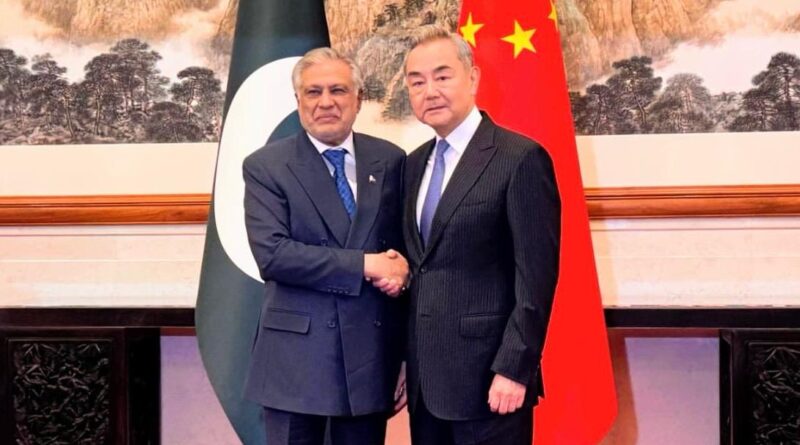
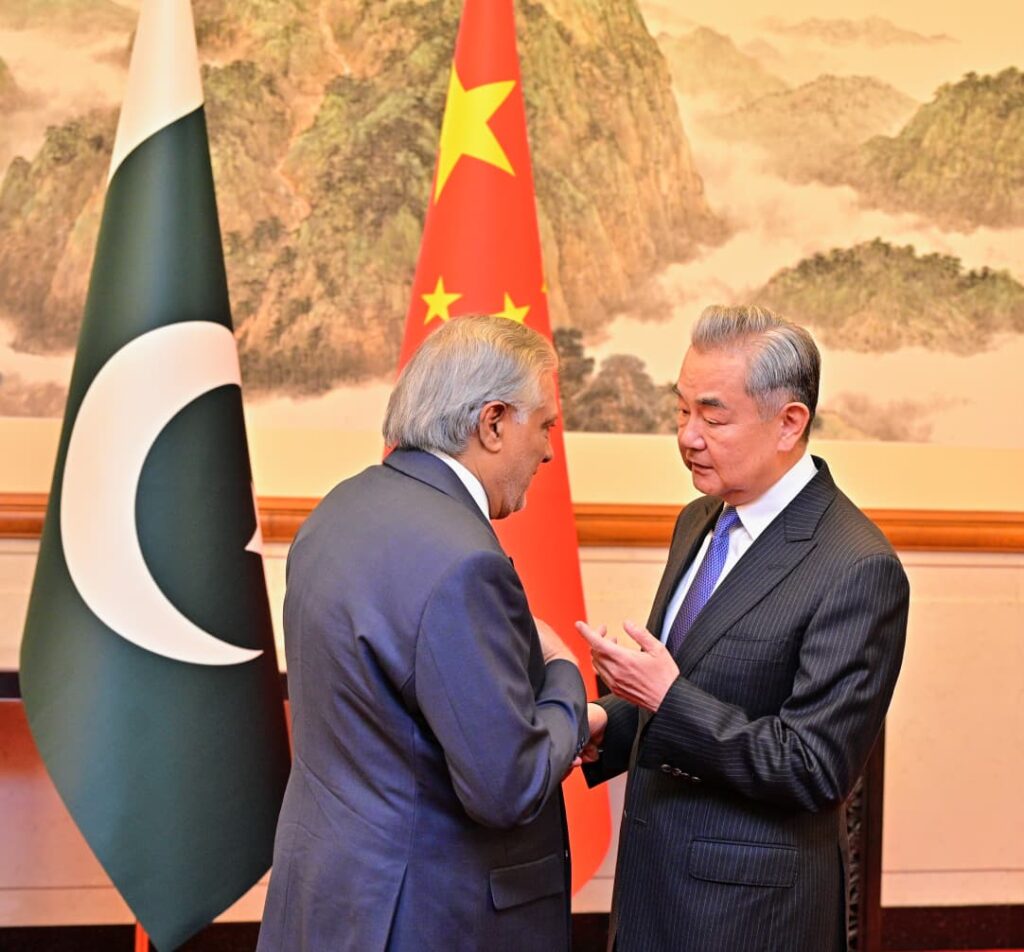
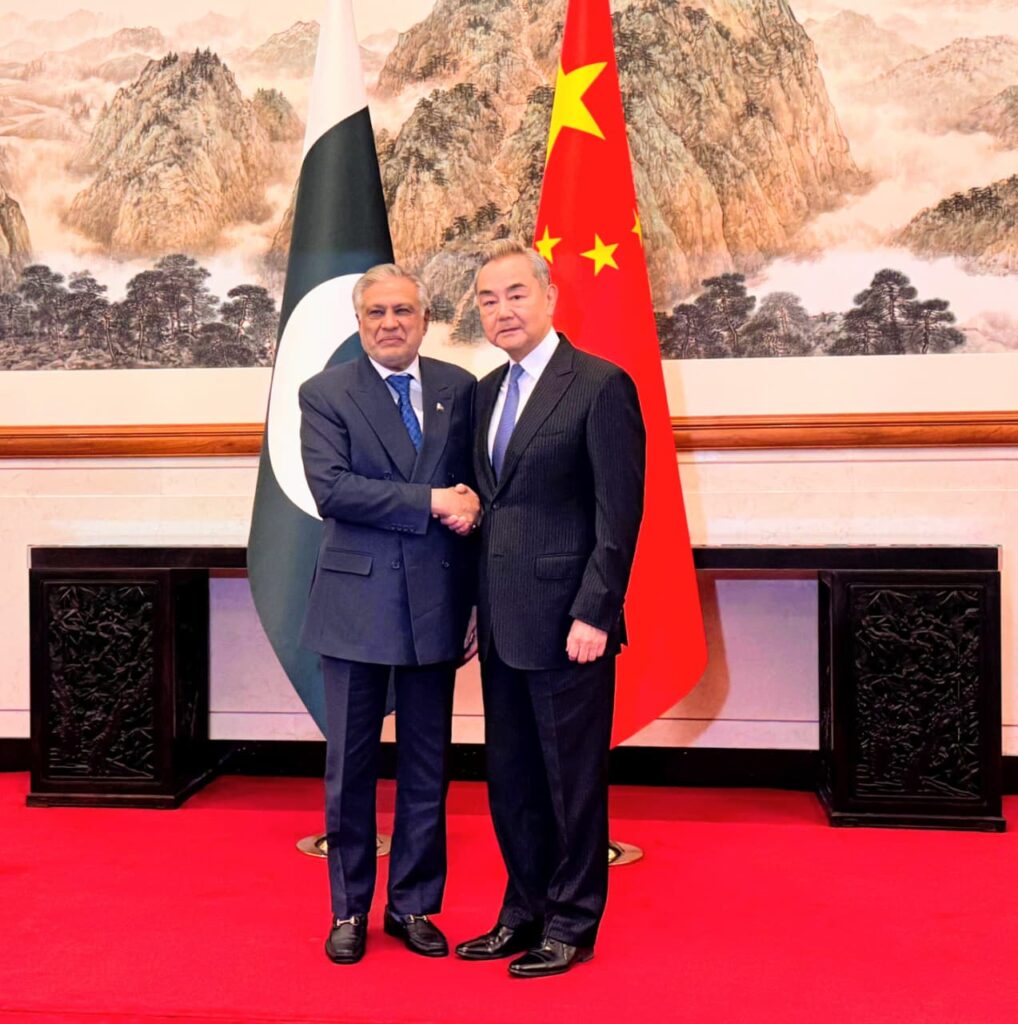
In a high-level diplomatic meeting in Beijing on March 31, 2026, Chinese Foreign Minister Wang Yi and Pakistani Deputy Prime Minister Senator Mohammad Ishaq Dar formally introduced a comprehensive “Five-Point Initiative.” The proposal aims to restore stability in the Gulf and Middle East following a period of heightened military tension. Both nations emphasized that the current regional situation requires an immediate pivot toward multilateralism and de-escalation. The initiative represents a significant joint effort by two major regional powers to provide a structured framework for conflict resolution, focusing on the preservation of sovereignty and the protection of global economic interests.
Call for Immediate Hostilities Cessation and Humanitarian Access
The first pillar of the joint initiative demands an immediate cessation of hostilities to prevent the conflict from expanding into a broader regional war. China and Pakistan stressed that the priority must be the delivery of humanitarian assistance to all war-affected areas without hindrance. By calling for an end to active combat, the two countries are seeking to create a “cooling-off” period that would allow international aid organizations to address the growing humanitarian crisis. This point underscores the shared concern that continued military engagement will only lead to further displacement and suffering for civilian populations across the impacted zones.
Safeguarding Sovereignty Through Diplomatic Dialogue and Peace Talks
Under the second point of the initiative, Beijing and Islamabad asserted that dialogue and diplomacy remain the only viable options for resolving deep-seated regional conflicts. The proposal calls for the start of peace talks as soon as possible, with a strict commitment from all parties to refrain from the use or threat of force during negotiations. Central to this point is the protection of the sovereignty, territorial integrity, and national independence of Iran and the Gulf states. Both ministers agreed that any lasting resolution must respect the legal boundaries and political autonomy of the nations involved, rejecting external military intervention as a solution.
Protection of Nonmilitary Targets and Vital Regional Infrastructure
A critical component of the initiative is the explicit demand for the security of nonmilitary targets and adherence to International Humanitarian Law (IHL). China and Pakistan have called on all conflicting parties to immediately halt attacks on civilians and essential infrastructure. The document specifically highlights the need to protect energy facilities, desalination plants, and power stations, which are vital for regional survival. Furthermore, the initiative emphasizes the immunity of peaceful nuclear infrastructure, such as nuclear power plants, warning that targeting such facilities poses an unacceptable risk to regional environmental safety and civilian life.
Ensuring Security for Global Shipping and Hormuz Transit
Recognizing the economic stakes of the current crisis, the fourth point of the initiative focuses on the security of global shipping lanes. The Strait of Hormuz and its adjacent waters are identified as indispensable corridors for international trade and energy supplies. The joint statement calls for the immediate protection of ships and crew members currently stranded in the Strait. China and Pakistan are urging all parties to allow the early and safe passage of commercial vessels and to restore normal maritime traffic. This move is intended to stabilize global energy markets and prevent a total collapse of maritime trade routes.
Upholding United Nations Charter and True Multilateralism Primacy
read more ; Foreign Minister Abbas Araghchi Affirms Strategic Respect For Saudi Arabia
The final point of the proposal reinforces the primacy of the United Nations Charter and the principles of international law. China and Pakistan are advocating for “true multilateralism” to strengthen the role of the U.N. in mediating regional disputes. The initiative supports the conclusion of a comprehensive peace framework that aligns with the U.N.’s core purposes. By anchoring the proposal in established international legal norms, Beijing and Islamabad aim to build a consensus that moves away from unilateral military actions and toward a collective security arrangement that can guarantee lasting peace in the Middle East.
Joint Diplomatic Pressure to Prevent Wider Regional Escalation
The timing of this announcement, issued from both Beijing and Islamabad, reflects an urgent attempt to curb the escalatory cycle between major powers and regional actors. Analysts suggest that the joint initiative serves as a diplomatic signal to both Washington and Tehran that the international community expects a return to established legal frameworks. By presenting a united front, China and Pakistan are leveraging their strategic partnerships in the region to advocate for a “middle path” that avoids the catastrophic consequences of a full-scale energy war or a prolonged blockade of the world’s most sensitive shipping chokepoints.
Framework Seeks Long Term Stability Beyond Current Tensions

Ultimately, the China-Pakistan initiative is designed not just as a temporary truce but as a blueprint for long-term regional stability. The document calls for a commitment to peaceful dispute resolution that survives the current crisis. By focusing on infrastructure protection and the legality of warfare, the two nations are attempting to set new “red lines” that protect the global economy from regional volatility. As the international community reviews the five-point plan, the focus now shifts to whether the primary combatants will adopt these principles to facilitate a transition from military posturing to substantive diplomatic engagement.