
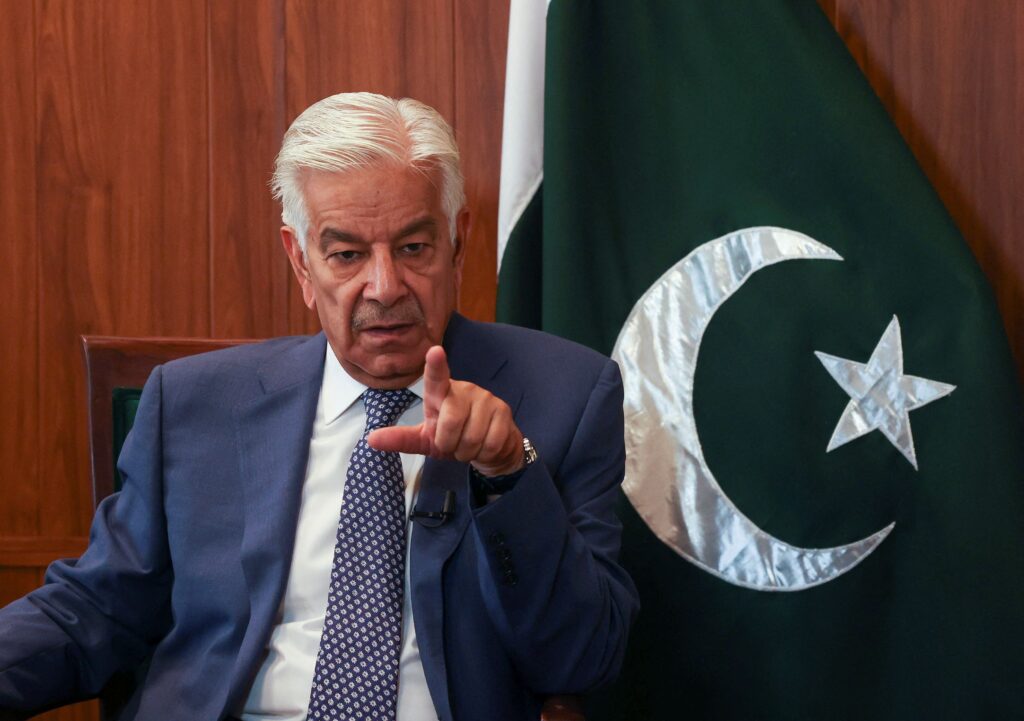
Pakistan Vows Decisive Response to Indian Defense Rhetoric
Defense Minister Khawaja Asif issued a stern rebuttal to statements made by his Indian counterpart, Rajnath Singh, asserting that Pakistan maintains full operational readiness. Asif declared that any military provocation would be met with a response that is swift, balanced, and decisive.
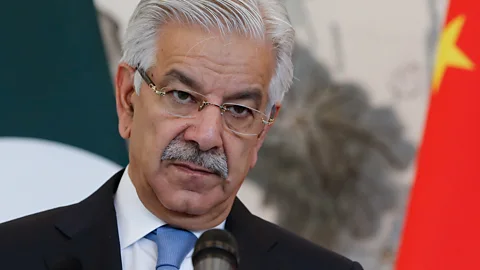
Addressing the Indian Defense Minister’s rhetoric, Asif characterized the recurring narrative as a reflection of deep-seated frustration within the Indian leadership. He specifically noted that international scrutiny failed to substantiate claims regarding the Pahalgam false flag operation, suggesting a pattern of fabrication by Indian authorities to justify aggression.
The Defense Minister emphasized that such threatening language from New Delhi is not a novel development but rather a predictable and “ignorant” maneuver. He argued that India consistently utilizes misleading allegations to fuel regional tensions, primarily to secure specific domestic political advantages.
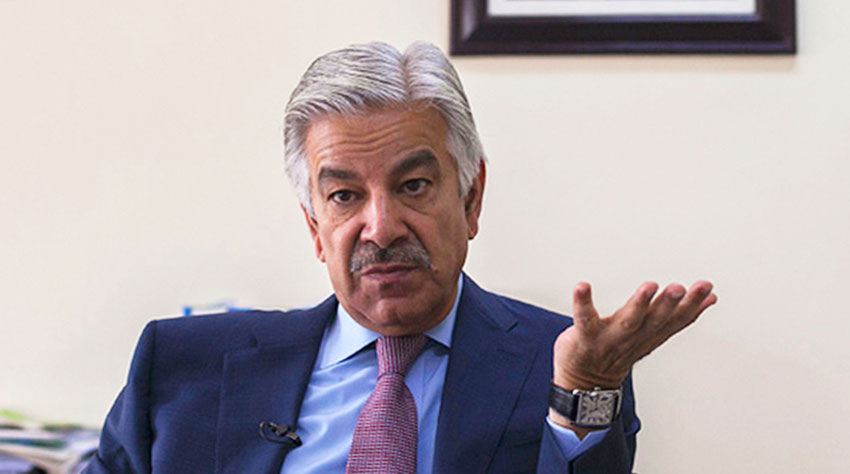
Asif cautioned that historical precedents clearly demonstrate that failed military adventures result in grave consequences. He reminded the neighboring state that Pakistan’s previous successes in defending its sovereignty remain vivid, suggesting that any future retaliatory measures would be even more robust and comprehensive than in the past.
Pakistan Asserts Strategic Readiness Amid Rising Cross-Border Rhetoric
Khawaja Asif further clarified that while Pakistan remains firmly committed to regional peace and stability, it will not be intimidated by external pressure. He underscored the gravity of the situation by reminding the Indian leadership that the prospect of war between two nuclear-armed nations is an unthinkable scenario with catastrophic global implications.
Instead of engaging in bellicose rhetoric, Asif advised India to address its increasing strategic and diplomatic anxieties within its own borders. He contended that the Indian government frequently attempts to externalize its internal systemic weaknesses to distract from domestic failures.
read more ; Prime Minister Calls for Elite Sacrifice to Protect Vulnerable Groups
The Defense Minister also commented on the trajectory of the current Indian administration, suggesting that continued governance under the present leadership could lead to internal fragmentation within India. He reiterated that Pakistan’s defense posture is purely calibrated to deter aggression and maintain equilibrium in South Asia.
By dismissing the Indian Defense Minister’s comments as an attempt to garner political mileage, Asif reaffirmed that Pakistan’s armed forces are prepared for all contingencies. He concluded that India must realize that escalating tensions through baseless accusations serves only to undermine the broader goal of regional security and economic cooperation.
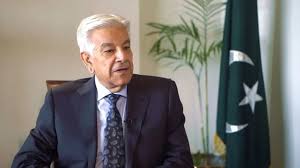
In his final remarks, Asif noted that Pakistan enjoys productive relations with various nations despite regional challenges. He insisted that India’s strategic “restlessness” is a byproduct of its own policy failures rather than external factors. By maintaining a stance of “measured deterrence,” Pakistan seeks to signal that while it does not seek conflict, it possesses the hardware and the resolve to neutralize any threat to its territorial integrity.
The Minister’s detailed response serves as a formal diplomatic and military warning against any miscalculation by the Indian defense establishment, emphasizing that the era of unanswered incursions is long over.
Defensive Preparedness Reaffirmed Against Hostile Indian Narrative
The ongoing verbal exchange highlights the fragile nature of South Asian diplomacy in 2026. Asif’s focus on a “balanced” response indicates a strategic doctrine aimed at preventing uncontrolled escalation while ensuring that any breach of sovereignty is penalized. This posture is designed to communicate to the international community that Pakistan remains a responsible nuclear power focused on stability, whereas the provocative statements from India are viewed as reckless political posturing. The emphasis on the “unthinkable” nature of nuclear conflict serves as a reminder to global stakeholders regarding the high stakes involved in the current standoff between the two traditional rivals.