Pakistan and China Conclude 10th Consular Consultations
The 10th Round of Pakistan-China Consular Consultations concluded on March 31, 2026, in Beijing, marking a significant milestone in the institutionalized diplomatic engagement between the two nations. The Pakistani delegation was led by Director General (China) Tariq Wazir, while the Chinese side was headed by Long Zhao, Director General of the Department of Consular Affairs. During the session, both delegations conducted a comprehensive review of bilateral consular matters, expressing mutual satisfaction regarding the consistent expansion of people-to-people exchanges.
This mechanism serves as a vital platform for addressing visa and immigration protocols, as well as ensuring the protection and welfare of nationals residing in each other’s territories.
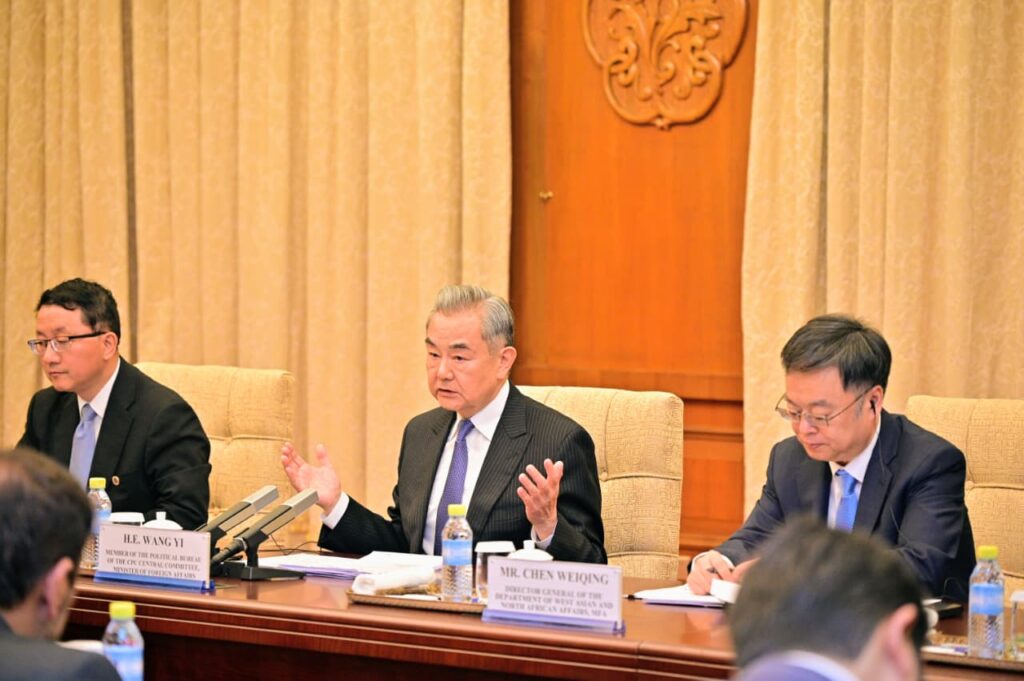
Both parties reaffirmed their dedicated commitment to deepening consular cooperation and streamlining facilitation processes for their respective citizens. This high-level dialogue underscores the enduring strategic partnership between Islamabad and Beijing, focusing on the practical logistics of cross-border movement and citizen services.
By refining these institutional frameworks, both countries aim to support the growing volume of economic and cultural interactions that define the current bilateral relationship. The consultations concluded with a shared resolve to enhance administrative efficiency and maintain a robust support system for their diaspora populations.
Strategic Regional Diplomacy and the Five-Point Peace Initiative
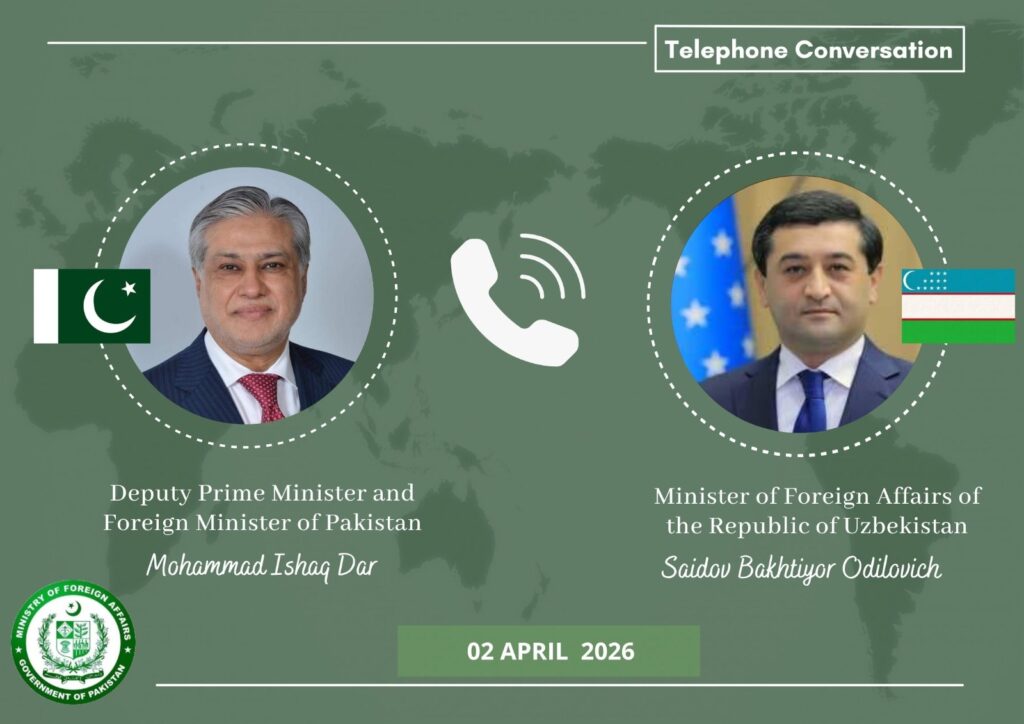
In parallel with the consular talks, Deputy Prime Minister and Foreign Minister Senator Mohammad Ishaq Dar engaged in high-level telephonic diplomacy with his counterparts from Uzbekistan and Egypt. Uzbek Foreign Minister Bakhtiyor Saidov commended Pakistan’s proactive role in facilitating regional de-escalation and stability, particularly noting the success of the recent four-way foreign ministers’ meeting hosted in Islamabad. Saidov expressed Uzbekistan’s formal support for the joint Pakistan-China Five-Point Initiative, a strategic framework designed to foster peace and resolve ongoing conflicts within the Gulf and Middle East regions.
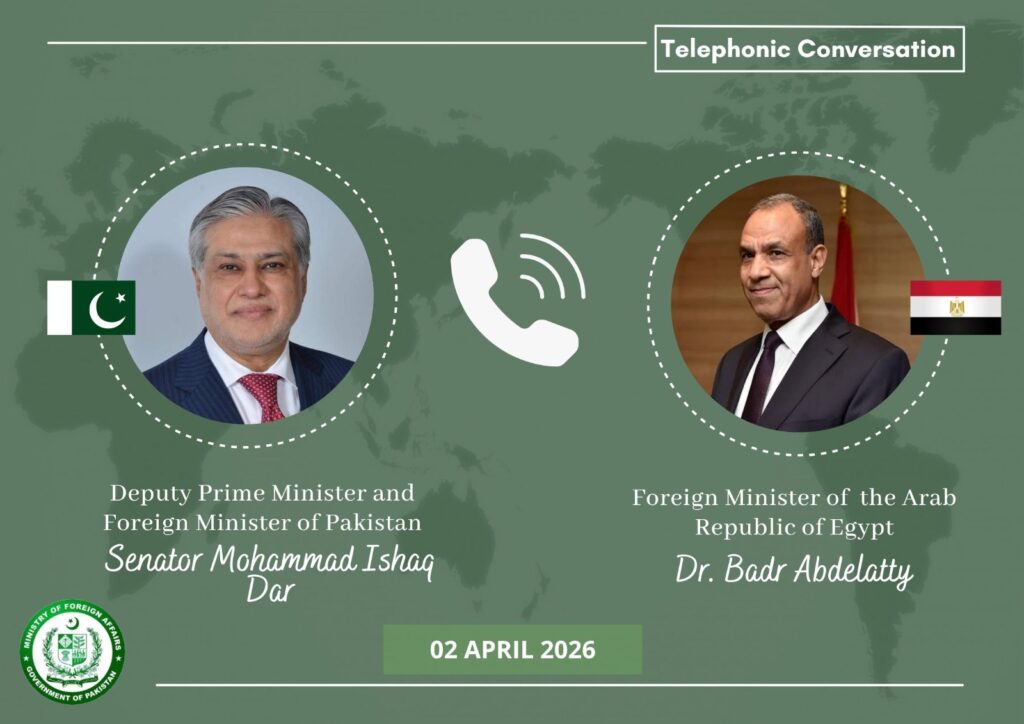
Egyptian Foreign Minister Badr Abdelatty similarly extended his appreciation for Pakistan’s diplomatic leadership during the Islamabad summit. He emphasized the importance of the Pakistan-China Five-Point Initiative as a critical tool for promoting dialogue and conflict resolution.
read more ; Senator Ishaq Dar Arrives In Beijing For Bilateral Talks
The discussions between Dar and Abdelatty reaffirmed the fraternal ties between Pakistan and Egypt, with both leaders agreeing to maintain close coordination on regional security developments. These diplomatic exchanges highlight Pakistan’s emerging role as a central mediator in broader regional geopolitics, leveraging its partnership with China to propose viable solutions for Middle Eastern stability.
Strengthening Bilateral Fraternal Ties and Regional Connectivity Frameworks
The diplomatic outreach to Tashkent and Cairo reflects a broader strategy by the Ministry of Foreign Affairs to consolidate support for its regional peace initiatives. In his conversation with FM Saidov, Senator Dar reviewed recent regional shifts, agreeing to maintain a constant line of communication on matters of mutual strategic interest.
This engagement reinforces the growing connectivity between South and Central Asia, where Pakistan serves as a pivotal transit and diplomatic hub. The endorsement of the Five-Point Initiative by regional powers like Uzbekistan and Egypt signals a burgeoning international consensus on the mediation strategies proposed by Islamabad and Beijing.
The Ministry of Foreign Affairs (MOFA) spokesperson’s office confirmed that these interactions are part of a concerted effort to stabilize the maritime and terrestrial corridors essential for global trade. By aligning with key regional stakeholders, Pakistan is positioning itself at the forefront of de-escalation efforts in volatile zones.
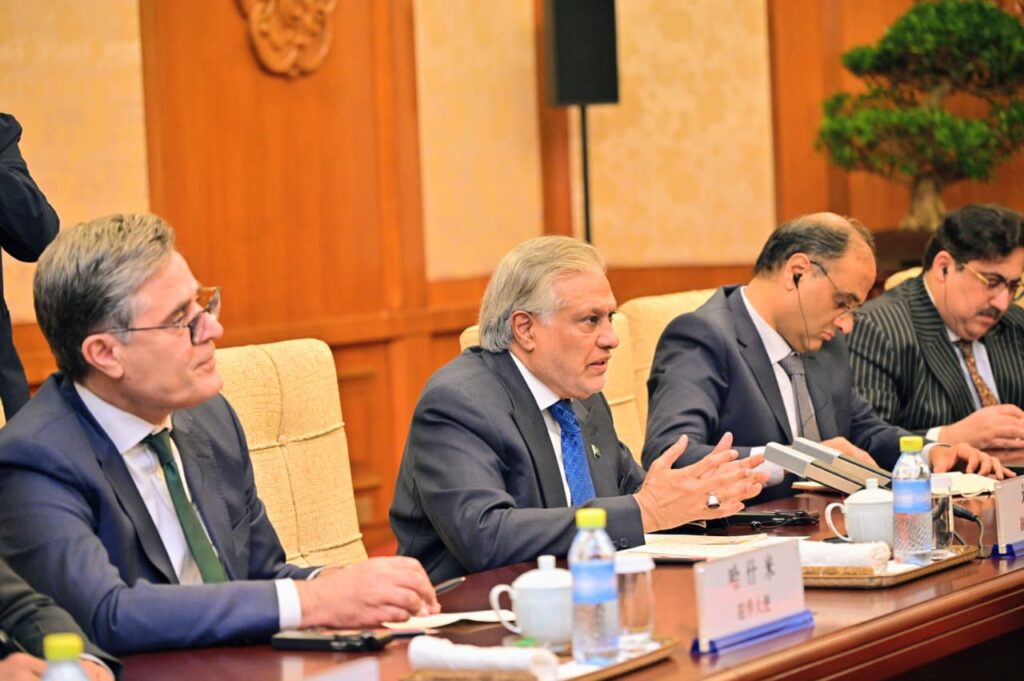
The consistent appreciation from international counterparts regarding the “Islamabad Diplomacy” model suggests that Pakistan’s multilateral approach is gaining significant traction. As the 2026 diplomatic calendar progresses, these consultations and high-level calls form the backbone of a proactive foreign policy aimed at securing national interests through regional harmony and institutional cooperation.