Pakistan Stock Exchange Records Significant Weekly Index Decline
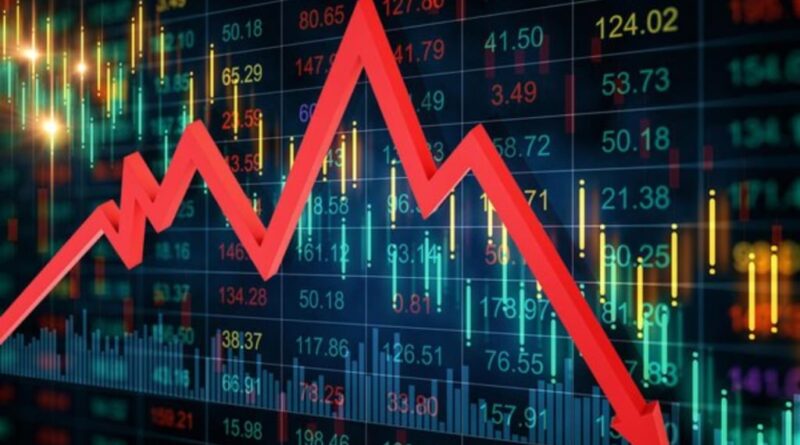
The Pakistan Stock Exchange (PSX) concluded the business week with a mixed but ultimately negative trend, characterized by significant volatility in the 100-index. Official market data indicates that the benchmark index fell by 1,308 points over the five-day trading period, closing at 150,398. This decline contributed to an overall bearish sentiment throughout the week, with the market fluctuating within a broad band of 12,690 points between its highest and lowest levels.
Market Index Experiences High Volatility Throughout Business Week
During the week, the 100-index reached a peak of 157,347 before retreating to a low of 144,656. Despite the downward pressure, trading volume remained substantial, with 2.45 billion shares exchanged in deals valued at approximately 140 billion rupees. However, the total market capitalization suffered a loss of 160 billion rupees, settling at 16,725 billion rupees by the close of the session. Analysts noted that the negative trajectory reflected broader economic uncertainties affecting investor confidence during this period.
Liquid Petroleum Gas Hits Record Five Hundred Rupees
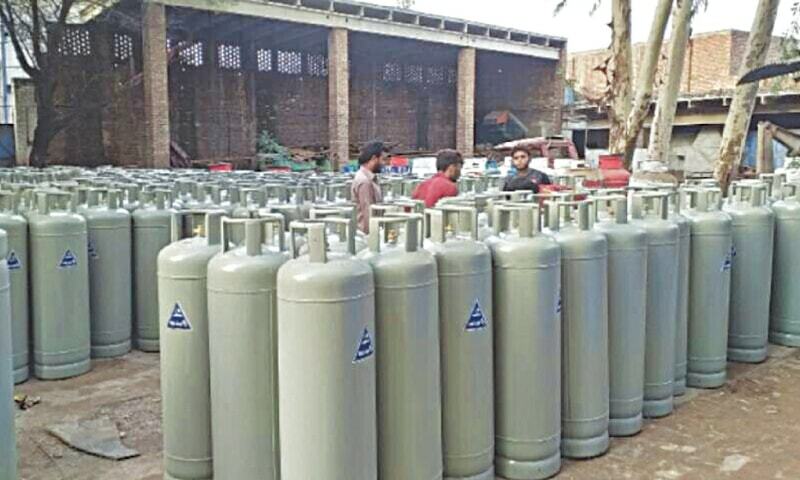
While the stock market struggled, consumers in Karachi faced unprecedented price hikes in the energy sector. The price of Liquid Petroleum Gas (LPG) surged to a record level of 500 rupees per kilogram. Consumers reported that the fuel is currently being sold at 200 rupees above the official government-mandated rates. Abdul Hadi Khan, Chairman of the LPG Distributors Association, attributed the price hike to a significant reduction in supply and increased procurement costs for distributors.
Supply Constraints Drive Costs Higher In Muzaffargarh District
The situation remains even more critical in Muzaffargarh, where LPG prices have escalated to 530 rupees per kilogram. The cost of a standard 11.8 kg domestic cylinder has reached 5,800 rupees in the district. Distributors have pointed to the Oil and Gas Regulatory Authority (OGRA), claiming the body has been unable to prevent importers from selling stock at inflated rates. These supply chain bottlenecks continue to place a heavy financial burden on domestic users who rely on LPG for daily cooking.
Prime Minister Implements Strategic Reductions In Petrol Prices
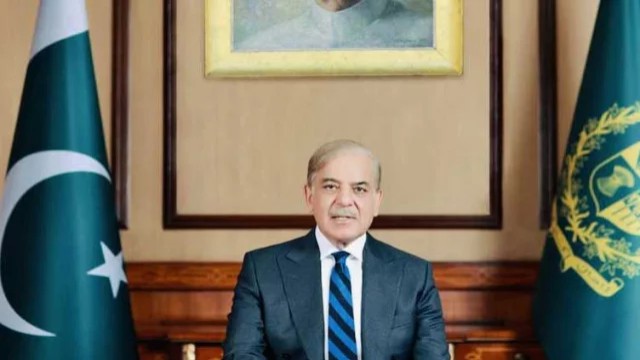
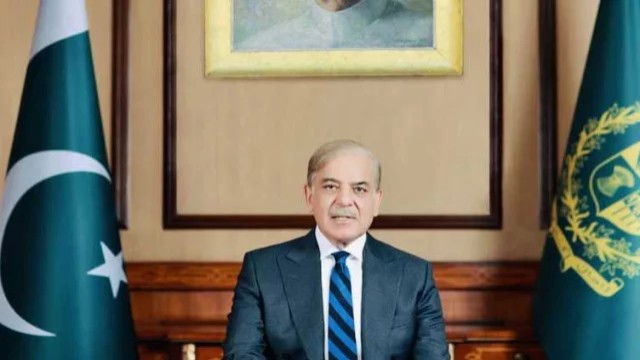
In a national address, Prime Minister Shehbaz Sharif announced a significant policy shift to alleviate public pressure, declaring a reduction in petrol prices by 80 rupees per liter for the upcoming month. The Prime Minister emphasized that the government is taking direct action to stabilize the cost of living. He further clarified that railway fares for economy class passengers would remain unchanged to ensure affordable transport for the general public during these fluctuating economic times.
read also ; Saudi Banking Sector Deposits Hit Record $800 Billion
Financial Assistance Allocated For Small Scale Agricultural Sector
Beyond fuel and transport, the Prime Minister announced direct financial intervention for the agricultural sector. Small-scale farmers will receive 1,500 rupees per acre to assist with production costs and maintain food security. This measure is intended to buffer the rural economy against the rising costs of inputs. These initiatives follow the government’s commitment to utilize national savings to protect the most vulnerable segments of the population from the impact of volatile market conditions and energy price hikes.
Economic Measures Aimed At Stabilizing Vulnerable Consumer Classes
The administration’s multifaceted approach seeks to balance the negative trends observed in the Karachi stock market with direct social safety nets. While the PSX recorded a decline in overall capitalization, the federal government is focusing on keeping essential services accessible. By freezing railway fares and subsidizing agricultural land, the Prime Minister aims to prevent the inflationary pressures of LPG and market volatility from completely eroding the purchasing power of the common citizen across Pakistan.