
British Labor Party Officials Clash Over New Immigration Reforms
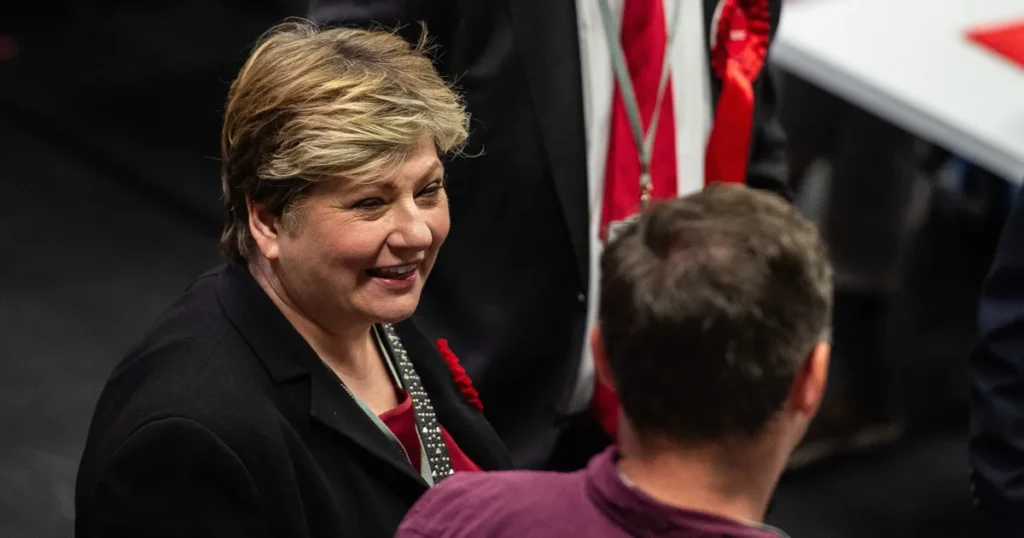
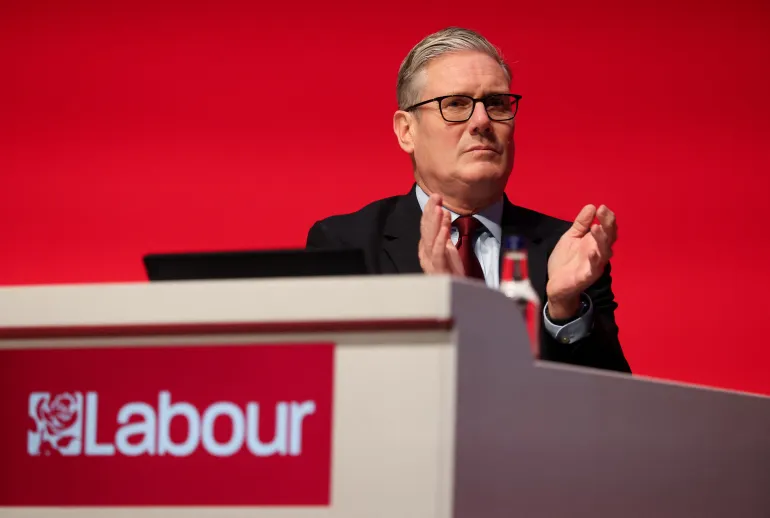
Significant ideological and administrative rifts have emerged within the British government and the Labor Party regarding the future of national immigration policy. Senior Labor leader Dame Emily Thornberry has formally called upon Prime Minister Sir Keir Starmer to reconsider the administration’s current immigration trajectory. The dispute centers on the potential social and humanitarian consequences of proposed legislative changes, highlighting a growing tension between the party’s progressive wing and its leadership’s focus on fiscal restraint and border control.
Thornberry Warns Of Financial Impact On Migrant Children

Dame Emily Thornberry stated that under the proposed policy, approximately 90,000 foreign children could be deprived of financial assistance currently provided through taxpayer-funded support systems. She argued that a comprehensive review of these measures is essential to prevent widespread hardship among vulnerable populations. Thornberry emphasized the necessity of granting permanent residency to thousands of migrants, asserting that legal status is the only sustainable way for individuals to access state facilities and contribute formally to the British economy.
Internal Party Friction Triggers Debate On Immigration Control
Thornberry’s vocal opposition to the reforms has sparked a notable reaction from fellow Labor members. Luke Akehurst, the Labor Member of Parliament for North Durham, countered her stance by identifying immigration control as a fundamental concern for his constituents. Akehurst suggested that the demand for stricter oversight remains a primary issue for voters in Northern England, reflecting a divide between leadership-level advocacy and localized political pressures. This internal friction underscores the difficulty the Starmer administration faces in balancing humanitarian obligations with electoral mandates.
Home Secretary Defends Reforms To Protect Public Finances
On the opposing side of the debate, the Home Secretary continues to defend the newly introduced reforms. The government’s official position maintains that these measures are vital to reducing the factors that make the United Kingdom more attractive to migrants compared to other nations. Officials argue that with public finances already under significant strain, the state cannot afford to maintain high levels of support for non-citizens. The administration views these restrictions as a necessary deterrent to manage the flow of arrivals effectively.
read also ; Foreign Ministry Refutes Misleading Narratives On Bilateral Deposits
Shadow Energy Secretary Questions Global Welfare Access Standards
Supporting the government’s restrictive stance, Shadow Energy Secretary Claire challenged the notion of unrestricted access to state benefits. She questioned whether any other nation allows foreign citizens to access full social benefits without first attaining permanent residency or formal citizenship. Claire asserted that the “basic principles” of the welfare state must remain intact and cannot be compromised for temporary residents. This sentiment aligns with the broader government effort to align UK policy with more stringent international benchmarks.
Asylum Protection Period Reduced To Thirty Months
The reforms introduced by Home Secretary Shabana Mahmood include a significant reduction in the duration of protection granted to temporary refugees. Under the new guidelines, the protection period has been cut from five years to just thirty months. Mahmood clarified that once an individual’s home country is deemed safe, adults and their children will be required to return. This policy shift represents a move toward a more rotational and temporary asylum system, prioritizing the eventual repatriation of those seeking refuge in the UK.
Government Maintains Hardline Stance On Repatriation Processes
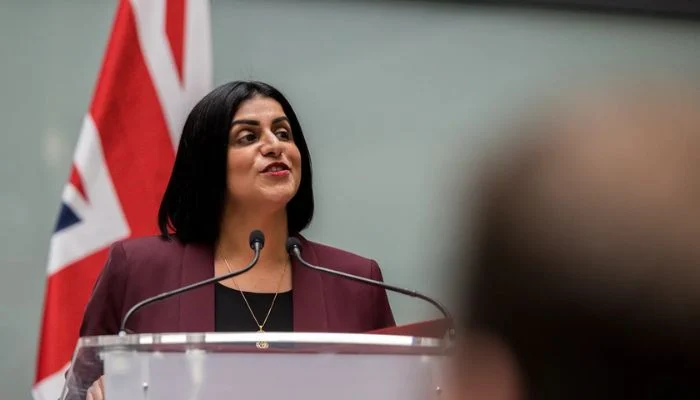
Shabana Mahmood reiterated that the administration’s priority is the integrity of the border and the efficient use of state resources. By halving the asylum duration, the government intends to process claims more rapidly and ensure that stays do not automatically lead to permanent settlement. As the debate continues within the Labor Party, the Prime Minister remains under pressure to reconcile these hardline security measures with the humanitarian concerns raised by senior party veterans regarding the welfare of nearly 100,000 children currently residing in Britain.