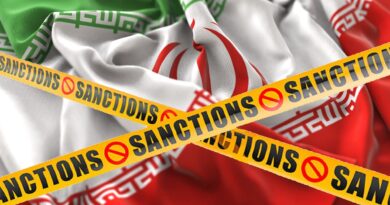

UAE Energy Minister Urges Global Action Against Iran to Secure Strait
The United Arab Emirates’ Minister of Petroleum and Managing Director of ADNOC, Sultan Ahmed Al Jaber, has issued an urgent appeal to the international community for decisive action against Iran. Speaking on the critical situation in the Strait of Hormuz, Al Jaber characterized Iranian interference in the waterway as a form of unacceptable economic coercion. He emphasized that the continued disruption of this vital maritime artery is severely impacting global trade and the reliable delivery of energy resources to international markets, threatening the stability of the global economic order.

Minister Al Jaber warned that any prolonged closure of the Strait of Hormuz would have catastrophic consequences for the global economy, given its status as the world’s most important transit point for oil and gas. He advocated for a coordinated response through the United Nations Security Council to curb Iranian actions and restore regional stability. As a leading figure in the global energy sector, Al Jaber’s remarks highlight the growing desperation among Gulf energy exporters who rely on the channel for the vast majority of their sovereign revenue and market access.
Global Shipping Giants Face Massive Weekly Financial Losses
The ongoing conflict in the Middle East has already triggered a dramatic spike in global trade costs, as the closure of the Strait of Hormuz forces vessels to take longer and more expensive alternative routes. According to industry data, the fear of targeted attacks in the Gulf has led major shipping corporations to bypass the region entirely, resulting in significantly higher freight rates and fuel consumption. This shift has not only slowed the delivery of consumer goods but has also placed an immense strain on the global energy supply chain as fuel stocks dwindle.
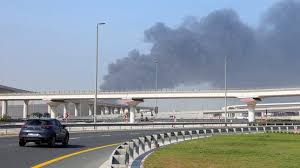
Hapag-Lloyd Chief Executive Rolf Habben Jansen confirmed that his company has been forced to suspend bookings to and from the Gulf due to the deteriorating security environment. Jansen revealed that the conflict is costing the company an additional $40 million to $50 million per week. These ballooning expenses are attributed to a combination of surging bunker fuel prices, astronomical insurance premiums, increased container storage fees, and the rising costs of inland transportation required to circumvent the conflict zone.
Chartering Rates for Oil and Gas Tankers Reach Record Highs
The financial impact is particularly visible in the tanker market, where the cost of chartering vessels has reached unprecedented levels. The daily earnings for a Suezmax crude carrier, a primary benchmark for chartering costs, have more than tripled since the onset of the conflict, surging to over $330,000 per day. Similarly, the daily income for vessels transporting liquefied natural gas (LNG) has reached $90,000, reflecting the extreme risk premium now associated with navigating near Iranian-controlled waters or alternative hubs.
read more ; US President Demands Open Strait of Hormuz for Potential Ceasefire
Peter Norfolk, a freight pricing expert at S&P Global Energy Commodity, noted that the cost of transporting crude oil from the Gulf to China saw a massive spike in late February, nearly tripling from $46 per metric ton. Although rates saw a marginal correction toward the end of March, they remained elevated at approximately $64 per metric ton. These price fluctuations are causing significant volatility in global energy markets, as refineries pass these increased logistics costs directly to consumers at the pump and in utility bills.
Insurance Premiums and War Surcharges Cripple Maritime Industry
The maritime consultancy firm Maritime Services International has reported that container shipping costs have risen by 20 to 25 percent on average, while specific high-risk routes have seen rates jump by nearly 200 percent due to war surcharges. The security crisis has rendered six of Hapag-Lloyd’s vessels unusable, further reducing global shipping capacity. This bottleneck has forced logistics managers to redirect cargo to safer regional hubs, adding layers of complexity and delay to already fragile international delivery schedules.

Further compounding the crisis is the near-doubling of bunker fuel prices, which reached a peak of $1,053 per metric ton in March before settling near $936 by month’s end. Insurance costs have also reached a breaking point, with war risk premiums climbing to 10 percent of the total value of the ship and cargo. This unprecedented financial pressure is pushing the global shipping industry toward a systemic crisis, as the cost of securing assets now rivals the value of the trade itself, necessitating the decisive international intervention requested by the UAE.