General Asim Munir Negotiates Ceasefire Framework With Global Leaders
Pakistan Introduces Two Tier Islamabad Accord Peace Framework
Islamabad has quietly assembled and distributed a strategic diplomatic framework that could potentially bring the current military conflict between the United States and Iran to a conclusion. According to a Reuters report citing officials familiar with the discussions, the proposal—tentatively titled the “Islamabad Accord”—was exchanged with leadership in Washington D.C. and Tehran during overnight diplomatic maneuvers. The framework utilizes a two-tier methodology designed to address immediate humanitarian and economic concerns before moving toward a permanent political solution. The first phase of the plan requires an immediate cessation of hostilities, while the second phase outlines a structured path toward a comprehensive long-term settlement. This initiative positions Pakistan as the primary mediator in the escalating regional standoff.
Strategic Reopening Of Strait Of Hormuz Priority One
A central component of the Pakistani-led proposal is the immediate reopening of the Strait of Hormuz, a critical global energy artery that has been impacted by the ongoing hostilities. Under the terms of the Islamabad Accord, a ceasefire would take effect instantly upon agreement, allowing for the restoration of international shipping and the stabilization of global oil markets. The framework suggests a window of 15 to 20 days following the ceasefire to finalize the broader details of a regional settlement. Mediators are working against a tight schedule, as the closure of the strait has caused significant volatility in energy markets. Reopening the waterway is viewed as a prerequisite for the United States to consider further diplomatic concessions.
General Asim Munir Leads High Stakes Overnight Negotiations
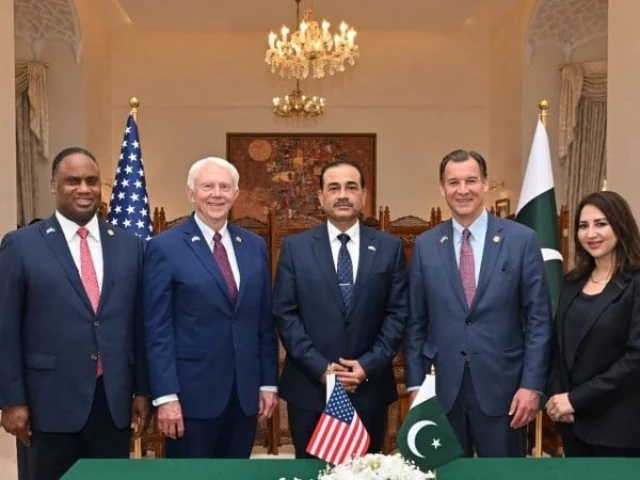
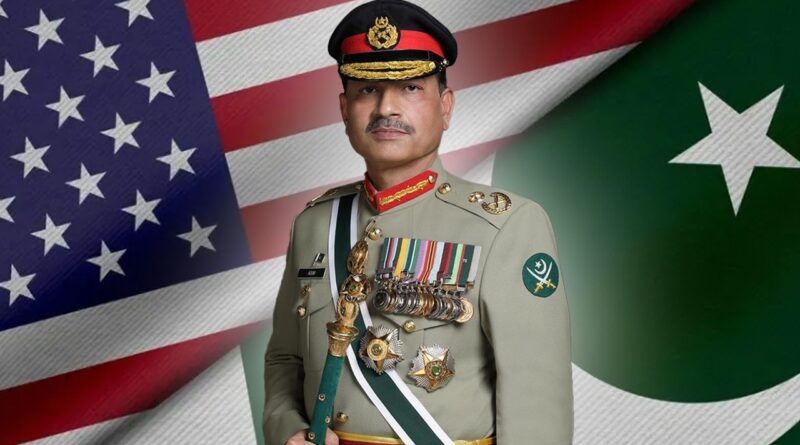
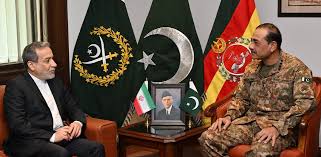
The diplomatic push is being spearheaded at the highest levels of Pakistan’s military and civilian leadership. Reports indicate that Chief of Army Staff and Chief of Defence Forces, Field Marshal Asim Munir, was engaged in continuous communication throughout the night with key international stakeholders. These included direct talks with US Vice President J.D. Vance, US special envoy Steve Witkoff, and Iranian Foreign Minister Abbas Araghchi. The intensity of this outreach reflects Islamabad’s commitment to achieving a breakthrough as the sole active communication channel between the two warring parties. This back-channel diplomacy is aimed at securing an electronic Memorandum of Understanding (MoU) that would formalize the initial ceasefire and set the stage for detailed talks.
Iran Reviews Comprehensive Proposal Amid Regional Deadline Pressure
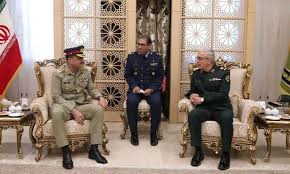
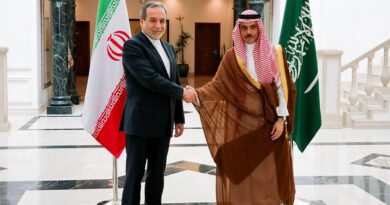
While the framework has been received by both sides, senior Iranian officials have confirmed that they are currently reviewing the proposal without yet signaling a formal commitment. Tehran has expressed a preference for a permanent ceasefire rather than a temporary pause and is seeking specific guarantees against future attacks by the US or its regional allies. The Iranian leadership is also weighing the proposal against a deadline set for Tuesday evening, during which President Donald Trump has warned of potential strikes on critical energy infrastructure if the Strait of Hormuz is not reopened. Despite these pressures, Iran has maintained that it will not accept ultimatums and is carefully analyzing the Islamabad Accord alongside inputs from other regional mediators.
read also ; Pakistan Proposes Two Stage Ceasefire Framework To Iran USA
Proposed Nuclear Commitments And Sanctions Relief Framework
The long-term portion of the Islamabad Accord is expected to include significant concessions from both the United States and Iran to ensure lasting regional stability. Sources suggest that the final agreement would likely involve Iranian commitments to refrain from pursuing nuclear weapons. In exchange, the framework proposes a structured plan for sanctions relief and the release of frozen Iranian assets, mirroring the architecture of previous international nuclear agreements but with updated regional security guarantees. This formula is intended to address the core security concerns of the United States and its allies while providing Iran with the economic incentives necessary to sustain a long-term peace. The details of these tiers are currently the subject of intense deliberation.
Final Summit In Islamabad To Conclude Peace Process
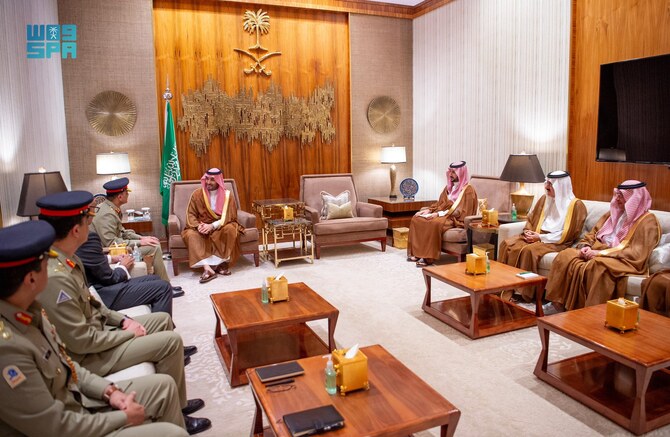
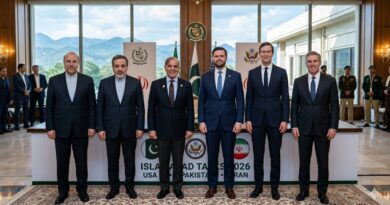
If both Washington and Tehran accept the initial stages of the framework, the diplomatic process will culminate in a high-level summit held on Pakistani soil. The Islamabad Accord envisions final in-person negotiations to be hosted in the federal capital, where the comprehensive agreement would be signed by senior representatives of all involved parties. This final stage is intended to provide a regional framework for cooperation regarding the Strait of Hormuz and broader Middle Eastern security. By offering its capital as the neutral venue for these talks, Pakistan aims to cement its role as a pivotal diplomatic hub and a guarantor of regional peace, potentially ending one of the most consequential standoffs of the modern era.