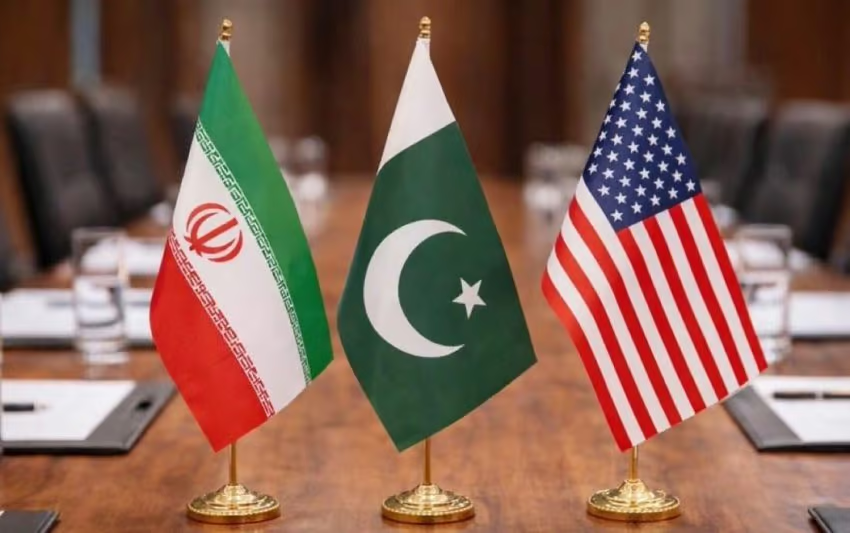
Pakistan Proposes Two Stage Ceasefire Framework To Iran USA
Pakistan Introduces Strategic Two Stage Ceasefire Framework
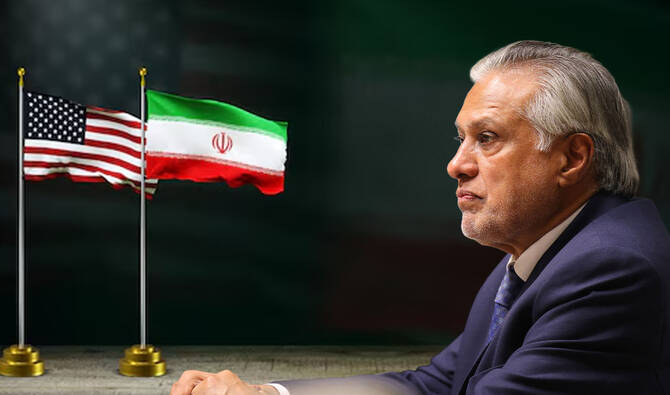
Pakistan has formally shared a comprehensive ceasefire framework with the United States and Iran, according to reports from international news agencies. Sources familiar with the proposal informed Reuters that the Pakistani-led initiative is structured into two distinct operational phases. The first phase focuses on the immediate cessation of hostilities to prevent further escalation, while the second phase outlines the requirements for a long-term, comprehensive peace agreement. This diplomatic roadmap has been received by both Washington and Tehran as they grapple with the threat of expanded regional aggression. The framework aims to provide a structured exit from the current military standoff, emphasizing the protection of civilian lives and national assets.
Global Mediators Seek Final Agreement On Peace Memorandum
Reuters reports that achieving consensus among all warring elements is viewed as a critical requirement for progress today. The current diplomatic objective is to transform the initial understanding into a formal Memorandum of Understanding (MoU). Mediators in Islamabad are optimistic that a consensus on the proposed agreement may be reached within the current 24-hour window. This move comes as the international community watches closely for signs of de-escalation. The proposed memorandum serves as a foundational document intended to bind all parties to specific non-aggression protocols. While the text is currently under review, the urgency of the situation has placed significant pressure on the involved diplomatic missions to finalize terms immediately.
General Asim Munir Leads Overnight High Level Negotiations
In a significant display of military diplomacy, Pakistan’s Army Chief, Field Marshal Asim Munir, remained in continuous contact throughout the night with top international officials. His discussions included direct communication with US Vice President J.D. Vance and Steve Witkoff, alongside the Iranian Foreign Minister. These high-stakes interactions focused on bridging the gap between the divergent demands of the United States and the Islamic Republic of Iran. The involvement of Pakistan’s top military leadership underscores the country’s pivotal role as a mediator in the Middle East. Despite these intensive efforts, a formal response regarding the temporary ceasefire proposals from China, Pakistan, and the United States has not yet been finalized by the Iranian leadership.
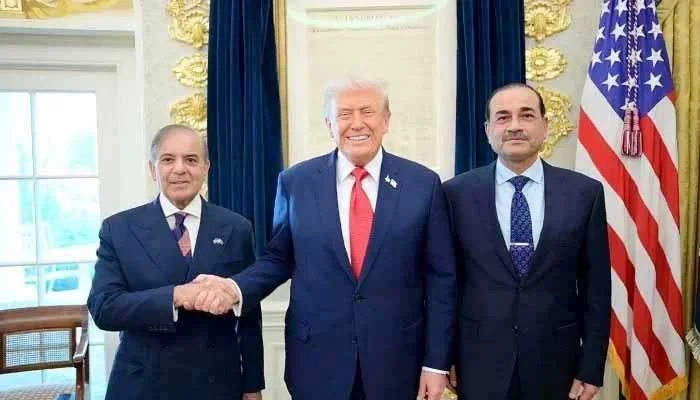
Iran Reviews Proposal While Rejecting External Deadline Pressure
Senior Iranian officials have confirmed the receipt of Pakistan’s peace proposal, stating that the document is currently undergoing a thorough technical and political review. However, Tehran has remained firm in its stance regarding external pressure, asserting that it will not accept any artificial deadlines or coercive tactics in its decision-making process. The Iranian government emphasized that any agreement must respect its national sovereignty and security interests. While the review process is ongoing, the lack of an immediate affirmative response indicates that several sticking points remain regarding the implementation of the first phase of the ceasefire. Iranian leadership continues to balance the diplomatic offer against its stated military readiness and regional strategic objectives.
read also ; President Erdogan Meets President Zelenskyy For Security Negotiations
President Trump Extends Ultimatum Amid Infrastructure Strike Threats
Following a period of heightened rhetoric regarding the closure of the Strait of Hormuz, US President Donald Trump has extended his previous ultimatum by 24 hours. The revised deadline for an agreement is now set for Tuesday at 8:00 PM Eastern Time. This corresponds to Wednesday at 3:30 AM in Iran and 5:00 AM in Pakistan. This extension follows previous statements concerning potential strikes on Iranian power plants and bridges, which sparked significant concern and criticism globally. The 24-hour window is seen as a final opportunity for diplomatic channels to produce a result before the United States considers further actions. The extension suggests a brief pause in the immediate threat of kinetic operations while negotiations continue.
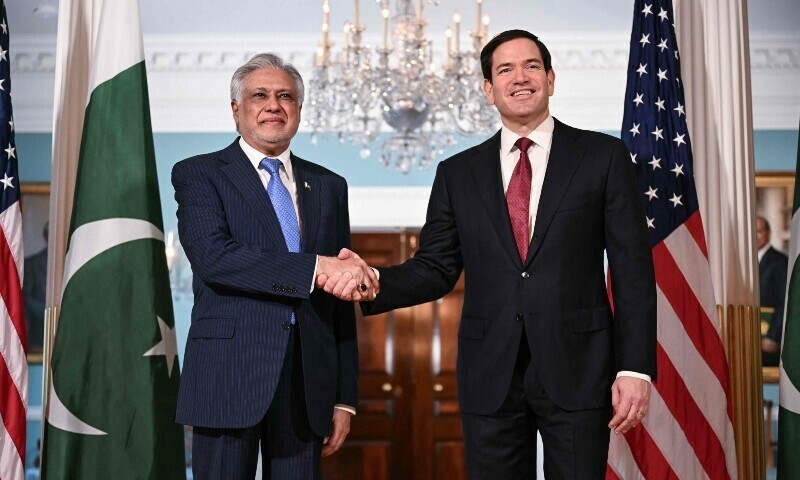
Iranian Foreign Ministry Warns Of Severe Regional Consequences
The Iranian Ministry of Foreign Affairs, through spokesperson Esmaeil Baghaei, has officially rejected the US ultimatum, describing it as unacceptable. Baghaei stated that Iran possesses the full capability to launch retaliatory strikes should its civilian infrastructure, specifically power plants, be targeted. He warned that the consequences of any military aggression would not be localized to Iran but would be felt across the entire region. The spokesperson reiterated that any strike on Iranian soil would meet an equivalent response, signaling a high state of military alert. As the new deadline approaches, the regional atmosphere remains tense, with the Pakistani framework representing the primary active diplomatic effort to prevent a large-scale conflict involving global powers.