Polish F-16 Jets Intercept Russian Reconnaissance Aircraft
Polish Air Force Intercepts Russian Surveillance Plane
Poland’s Operational Command confirmed that NATO member Poland scrambled fighter jets on Wednesday to intercept a Russian spy plane conducting a reconnaissance mission over the Baltic Sea. The mission was initiated following the detection of an unidentified aircraft moving through international airspace near sensitive territorial boundaries, prompting an immediate response from the Polish military’s air defense units.
Identification of Russian Il-20 Surveillance Aircraft
The military identified the intercepted vessel as a Russian Il-20, a specialized surveillance and reconnaissance aircraft. According to official reports, the plane was operating in international airspace but had failed to file a required flight plan. This lack of transparency regarding the flight’s intent and path triggered standard security protocols established by NATO and the Polish armed forces.
Tactical Deployment of F-16 Fighting Falcons
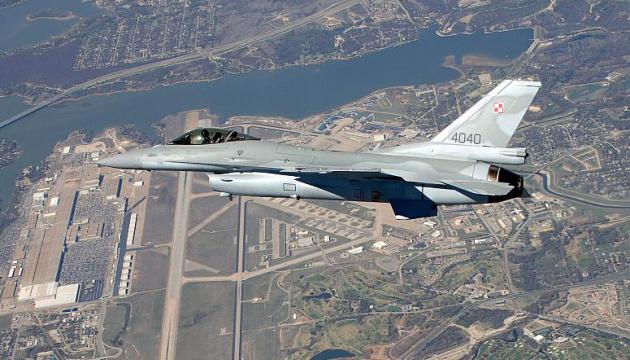
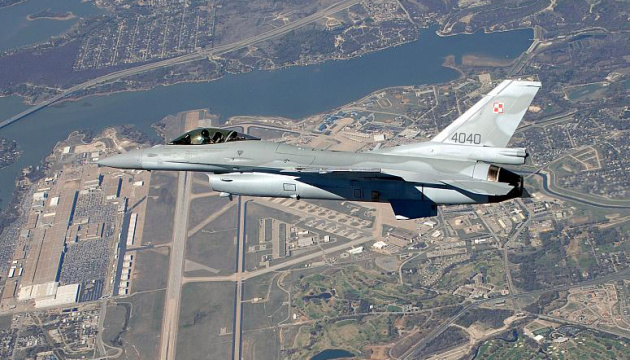
In response to the detection, a pair of Polish F-16 fighter jets were deployed to meet the aircraft. The Polish Operational Command described the mission as a “successful interception and visual identification.” The F-16 pilots maintained contact with the Russian vessel and escorted it out of the sensitive area, ensuring it did not deviate toward Polish sovereign airspace.
Transponder Irregularities and Flight Plan Violations
Military officials noted that the Russian Il-20 was flying with its transponder turned off, a move that renders the aircraft invisible to standard civilian air traffic control systems. By operating without a transponder or a filed flight plan, the aircraft posed a potential risk to the safety of civil aviation and violated established international aviation norms for the region.
Interception Defined as Essential Airspace Control Tool
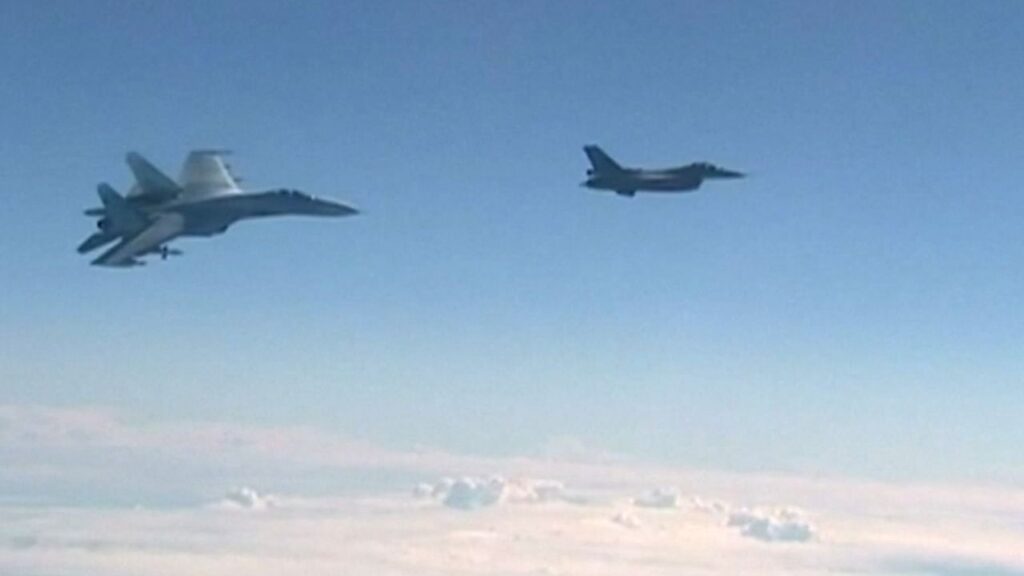
The Polish Operational Command clarified that the interception of such aircraft does not constitute a demonstration of force but is instead a fundamental tool for ensuring state airspace control. The military emphasized that these procedures are routine responses to objects that fail to respond to air traffic service calls or move without the necessary legal documentation.
read also ; Spain Reopens Tehran Embassy After Multi-Year Diplomatic Closure
Risk Mitigation for Civil Aviation Safety
The primary purpose of the scramble was the rapid identification of objects that do not adhere to applicable rules. The military stated that through the interception procedure, it is possible to immediately determine the nature of a flight and assess potential threats. This rapid assessment helps limit the risk of mid-air incidents and ensures the safety of critical infrastructure.
Protocol for Potential Corrective Flight Actions
The Operational Command explained that the interception allows for immediate corrective actions if necessary. These measures can include forcing a change of course or directing an unidentified aircraft to land at a designated facility. By maintaining visual contact, Polish pilots are able to manage the situation dynamically based on the behavior of the intercepted crew.
Continued Vigilance Over the Baltic Sea Region
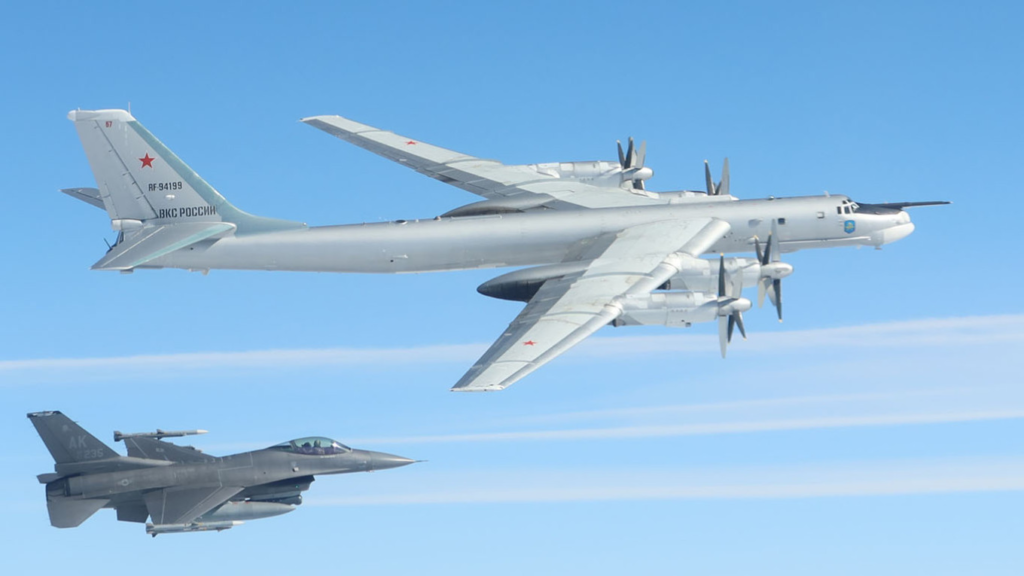
The Baltic Sea has become an area of increased military activity and surveillance as regional tensions persist. Polish military authorities reiterated that their air defense systems remain on high alert to monitor all movements near their borders. The successful interception of the Il-20 is viewed as a demonstration of the effectiveness of Poland’s integrated air defense network.
Impact on Critical National Infrastructure Security
Beyond aviation safety, the interception serves to protect critical infrastructure from unauthorized reconnaissance. By preventing surveillance planes from lingering near strategic assets, the Polish military maintains the confidentiality and security of its defensive installations. This incident marks another chapter in the ongoing tactical friction between NATO members and Russian forces in the Baltic.
International Norms for Airspace Transparency
The incident underscores the importance of international norms regarding transponder use and flight plan submission. Polish authorities have consistently called for all military flights in international corridors to maintain transparency to avoid misunderstandings. The failure of the Russian aircraft to follow these norms is cited as the primary reason for the kinetic response from Warsaw.
NATO Coordination in Baltic Air Policing
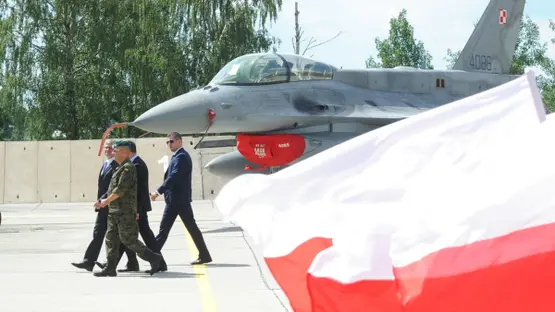
As a key member of the NATO alliance, Poland’s actions are coordinated with broader Baltic air policing efforts. The successful identification and escorting of the Russian Il-20 reflect the alliance’s collective commitment to monitoring international airspace. Such encounters are documented and shared among allies to maintain a comprehensive picture of regional military movements and intent.