Iranian Expatriates in Turkiye Face Displacement Amid Regional War and Visa Crisis
Iranian Migrants Face Forced Returns Amid Regional Conflict
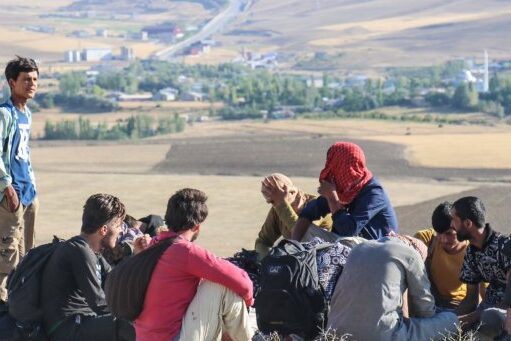
Sadri Haghshenas, an Iranian national working in Istanbul, represents a growing number of expatriates struggling with the dual burden of a regional war and restrictive Turkish immigration policies. Despite the ongoing conflict between Iran, Israel, and the United States, many families have been forced to send their children back to Tehran due to difficulties renewing short-term residency permits. Haghshenas’s daughter, Asal, was recently detained at a checkpoint and subsequently returned to Iran to avoid formal deportation proceedings. This forced displacement highlights the precarious nature of the “tourist visa” system, which tens of thousands of Iranians have historically used to find economic stability and safety in neighboring Turkiye.
Internet Blackouts and Sanctions Cripple Expatriate Financial Security
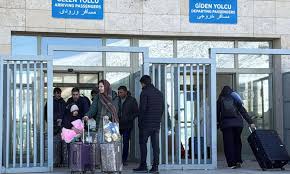
The ongoing war has introduced severe logistical barriers for Iranians living in Turkiye, most notably a monthslong internet blackout in Iran that has severed communication between families. For many, like Nadr Rahim, who has lived in Turkiye for 11 years, the war has also collapsed the economic foundations of their stay. Sanctions and the inability to transfer funds from businesses in Iran have left many families with only a few months of savings. Rahim noted that his children, who grew up in Turkiye and do not speak fluent Farsi, face a difficult future if the family is forced to return to a nation currently under military and economic siege.
Turkish Immigration Policies Complicate International Protection Efforts
According to Sedat Albayrak of the Istanbul Bar Association’s Refugee and Migrant Rights Center, the Turkish immigration system frequently encourages Iranians to apply for short-term permits rather than seeking formal international protection status. While nearly 100,000 Iranians resided in Turkiye in 2025, the lack of a path to permanent residency has left many in a state of perpetual uncertainty. Data from the United Nations’ refugee agency indicates that approximately 89,000 Iranians have entered Turkiye since the start of the war on February 28, 2026, while 72,000 have departed, illustrating a high rate of transit and forced return.
Desperate Measures for Legal Status Among Student Migrants
To maintain legal status, some Iranians have registered for university courses to obtain study visas while working grueling hours in service jobs. One 42-year-old Iranian woman reported working until 3 a.m. after attending morning classes, sharing a single room with six others in a boarding house to survive. Despite her desire to support her parents in Iran, the combination of low wages in Turkiye and the high cost of maintaining a visa has left her in a state of “hopelessness.” These individuals often face a “bad life” in both countries, caught between a war-torn homeland and a host nation that offers little long-term security.
read also ; British High Commissioner Commends Pakistan’s Mediation in US-Iran Negotiations
Third-Country Transit Becomes Necessity for Stranded Professionals
The war has also disrupted the lives of Iranian professionals who were traveling when hostilities broke out. A 33-year-old architect from Tehran, who initially left Iran during political unrest in January, found herself unable to return after the US-Israeli strikes began in late February. The internet blackout has made it impossible for her to serve her clients in Iran, and she can no longer afford the fees for a residency permit in Turkiye. As her 90-day visa-free window expires, she has opted to travel to Malaysia for temporary shelter, joining a growing number of Iranians seeking alternative havens as Turkish options vanish.
Human Cost of Regional War Reflected in Displaced Families
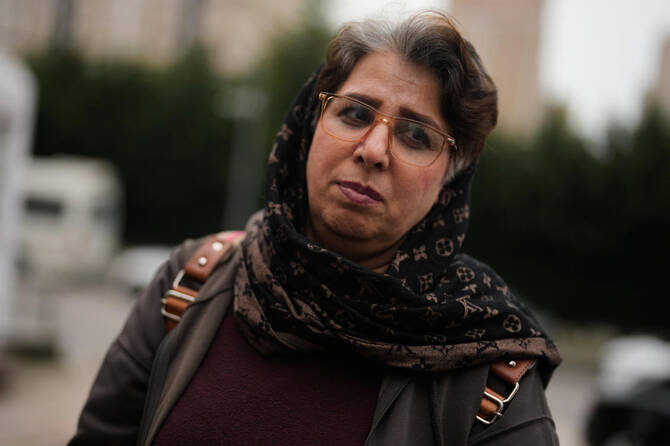
The humanitarian impact of the Middle East conflict is increasingly visible in the personal tragedies of those caught in the crossfire of diplomacy and immigration law. With at least 3,375 reported deaths in Iran since the war started and a fragile ceasefire currently under negotiation in Islamabad, the stakes for these migrants have never been higher. As regional powers discuss truces, the displaced Iranian community in Istanbul remains in a state of suspension, balancing the fear of a collapsing ceasefire with the immediate reality of expiring visas and empty bank accounts. For many, the choice is no longer where to live, but where they can afford to survive.