Prime Minister Shehbaz Sharif Mandates Accelerated Transition to Electric Vehicles
Report by ; Naeem Mehboob
Prime Minister Directs Rapid Expansion of National Electric Vehicle Sector
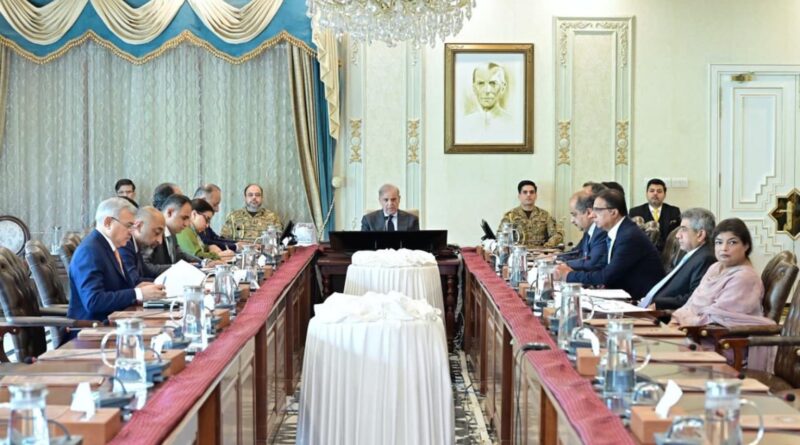
Prime Minister Shehbaz Sharif chaired a high-level meeting in Islamabad on Wednesday, issuing formal directives to accelerate the promotion of electric vehicles (EVs) across Pakistan. The Prime Minister emphasized that the transition is a strategic necessity driven by current regional shifts and future energy requirements. He noted that moving away from internal combustion engines is crucial for ensuring national energy security and significantly reducing the heavy economic burden of fuel imports. The directive aligns with the government’s broader objective to modernize the transportation sector while addressing the urgent need for environmental protection through reduced carbon emissions.
Strategic Fiscal Benefits and Projected Fuel Savings for Pakistan
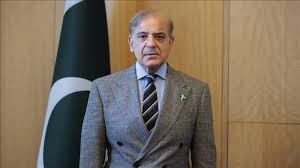
The federal government has set an ambitious target to ensure that thirty percent of all vehicles operating within the country are powered by electricity over the next five years. This transition is projected to save Pakistan approximately 4.5 billion dollars in annual fuel costs, providing a substantial boost to the national treasury. During the briefing, officials underscored that the National EV Policy is designed to create a sustainable ecosystem that balances economic growth with ecological responsibility. The Prime Minister reiterated that achieving these targets is essential for stabilizing the economy and mitigating the impact of global oil price volatility.
Support for Low-Income Individuals and Government Employees Through Subsidies
As part of the National EV Policy, Prime Minister Sharif ordered that the implementation of subsidy schemes for electric motorcycles be expedited, with a strict focus on transparency. The government plans to provide electric bikes on easy installments specifically for government employees up to grade sixteen, as well as for low-income citizens. This measure is intended to make green technology accessible to the working class while reducing their monthly transportation expenditures. The Prime Minister stressed that the selection process for these subsidies must be merit-based to ensure the benefits reach those most affected by rising fuel costs.
Manufacturing Milestones and Infrastructure Development for Electric Vehicles
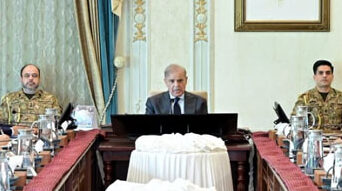
The meeting was briefed on the significant progress made in the domestic manufacturing sector, revealing that seventy-two manufacturing certificates have been issued for electric motorcycles and rickshaws to date. Additionally, four certificates have been granted for the production of electric cars, signaling a growing interest from private investors. To support this expanding fleet, the government has received one hundred and twenty-three applications for the establishment of EV charging stations nationwide. The development of this infrastructure is considered a prerequisite for the mass adoption of electric transport in both urban and rural areas.
read also ; Ukraine Requests Turkish Mediation for Zelensky-Putin Peace Summit
Environmental Protection and Energy Security Cited as Policy Priorities
Prime Minister Shehbaz Sharif highlighted that the promotion of EVs is not merely an economic strategy but a vital component of Pakistan’s environmental agenda. By reducing reliance on fossil fuels, the government aims to combat air pollution and fulfill international climate commitments. Furthermore, the shift toward electric mobility is expected to enhance energy security by utilizing domestic electricity resources rather than depending on imported petroleum products. The Prime Minister called for a coordinated effort between all relevant departments to remove any bureaucratic hurdles that could delay the rollout of the EV infrastructure.
National EV Policy to Transform Pakistan’s Transportation Landscape
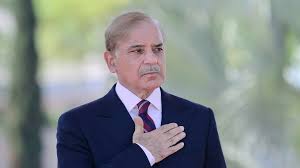
The ongoing measures under the National EV Policy represent a transformative shift in Pakistan’s approach to mobility and urban planning. The government is working to create a favorable regulatory environment that encourages both domestic assembly and the import of critical EV components. Officials informed the meeting that the current regional situation has made the shift toward self-reliant energy solutions more urgent than ever. With the Prime Minister’s latest directives, the focus now turns to the rapid deployment of charging networks and the distribution of subsidized electric vehicles to the public, marking a new era for the country’s automotive industry.