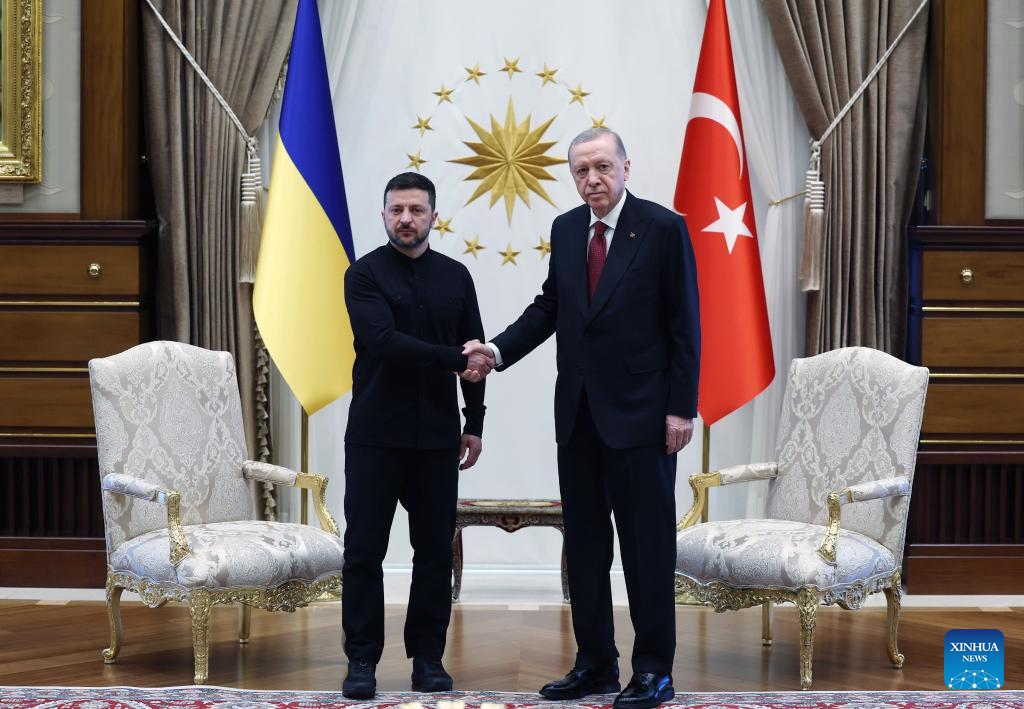
Ukraine Requests Turkish Mediation for Zelensky-Putin Peace Summit
Ukraine Formally Requests Turkiye to Host High-Level Peace Summit
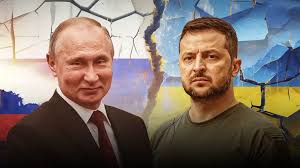
Ukrainian Foreign Minister Andrii Sybiha confirmed on Wednesday that Kyiv has officially asked Turkiye to facilitate a direct meeting between President Volodymyr Zelensky and Russian President Vladimir Putin. Speaking to reporters in comments cleared for release on April 22, Sybiha stated that Ukraine is actively seeking to reinvigorate peace talks that have stalled as the war enters its fifth year. The request for Turkish mediation underscores Ankara’s continued role as a significant diplomatic bridge between the warring nations. Sybiha noted that while Turkiye is a primary choice, Ukraine has also approached several other international capitals to explore their willingness to host the high-stakes negotiations.
Kyiv Rejects Belarus and Russia as Potential Meeting Locations
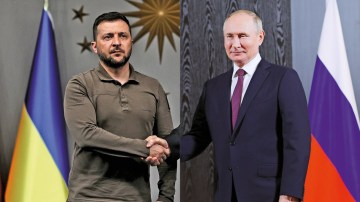
Foreign Minister Sybiha clarified that while President Zelensky is prepared to meet with the Russian leadership to hasten a resolution to the conflict, Ukraine will not consider any venue located within Russia or Belarus. He cited Belarus’s role as a close Russian ally and its previous participation in the 2022 invasion as reasons for the exclusion. The Kremlin has previously indicated a willingness to host the Ukrainian leader in Moscow; however, Zelensky has consistently rejected this proposal. Sybiha emphasized that Ukraine would be willing to travel to any other neutral capital that successfully organizes the summit, provided it respects Ukraine’s sovereignty and territorial integrity.
Proposed Quadrilateral Format Includes US and Turkish Presidents
In recent diplomatic discussions, including those held on the sidelines of the Antalya Diplomacy Forum, Sybiha proposed a quadrilateral meeting format. This structure would involve President Zelensky and President Putin, alongside Turkish President Recep Tayyip Erdoğan and potentially U.S. President Donald Trump. Ukrainian officials believe that involving major international powers could provide the necessary leverage to move negotiations forward. President Erdoğan has recently confirmed his readiness to host another round of talks in Istanbul, aiming to end the suffering caused by the ongoing war through political negotiations rather than continued military escalation.
Ukraine Remains Firm on Territorial Integrity Amid Peace Proposals
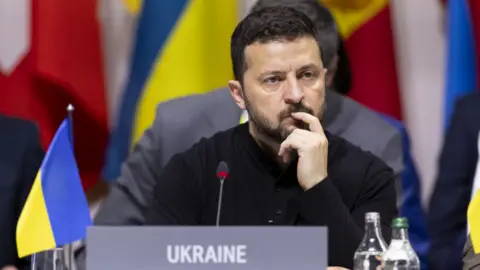
Despite the push for renewed dialogue, Foreign Minister Sybiha reaffirmed that Ukraine will not accept any peace formula that comes at the cost of its territorial integrity. He explicitly rejected Russian demands for a Ukrainian military withdrawal from the Donbas region, calling such conditions unacceptable. Ukraine remains committed to an unconditional ceasefire and has developed “doable proposals” on how to proceed with a diplomatic settlement. The minister stressed that the peace process must move forward solely through diplomatic means, even as military operations continue to impact civilian infrastructure and humanitarian hubs across the front lines.
read also ; British High Commissioner Commends Pakistan’s Mediation in US-Iran Negotiations
New Diplomatic Engagements Reach Incoming Hungarian Government
Beyond the mediation efforts with Turkiye, Foreign Minister Sybiha has initiated contact with Anita Orbán, who is designated to become Hungary’s new foreign minister following the Tisza Party’s recent election victory. Sybiha confirmed he has already exchanged written messages with Orbán, who is expected to assume office in May 2026. This outreach marks a potential shift in Ukraine-Hungary relations, which were previously strained under the previous administration. Anita Orbán’s platform emphasizes reducing energy dependence on Russia and strengthening ties within the Visegrád Group, offering a new potential channel for regional cooperation and support for Ukraine’s diplomatic objectives.
Regional Security Situation Complicated by Strategic Military Offensives
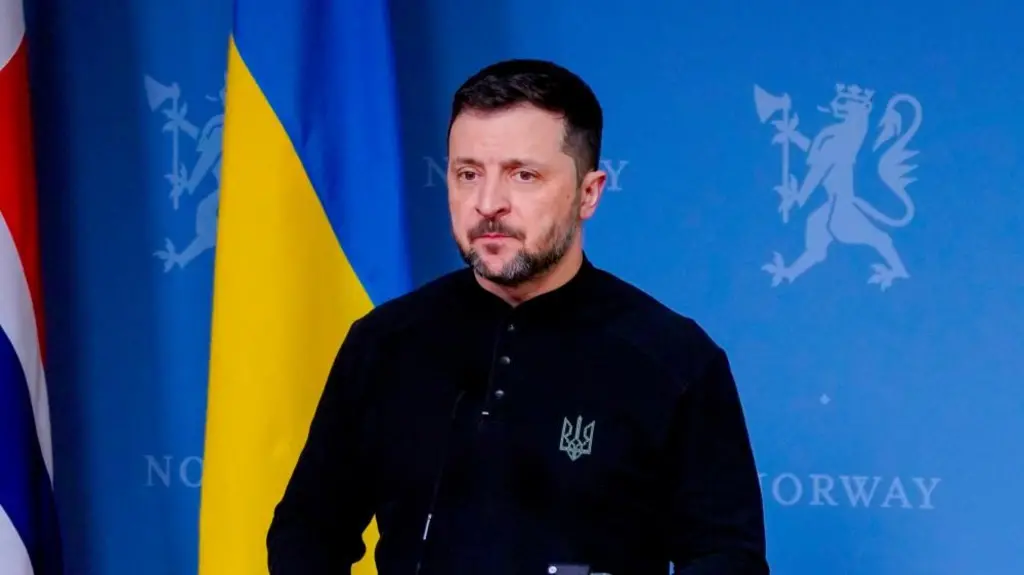
The diplomatic push for a summit comes against a backdrop of intensified military activity and high civilian casualties. Russian forces have recently targeted infrastructure in the Kramatorsk and Slovyansk regions, while Ukrainian drone strikes have reached as far as refineries in Ufa. Reports from the Institute for the Study of War (ISW) indicate that while Russian commanders claim significant territorial gains in 2026, the actual frontline remains heavily contested. The human toll has reached thousands of fatalities across the theater, heightening the urgency for the “new momentum” Sybiha seeks through international mediation and the proposed high-level summit in a neutral third-party location.