China Denies Allegations of Weapons Shipments to Iran Following Maritime Seizure
Beijing Refutes US Accusations of Chemical Shipments to Iran
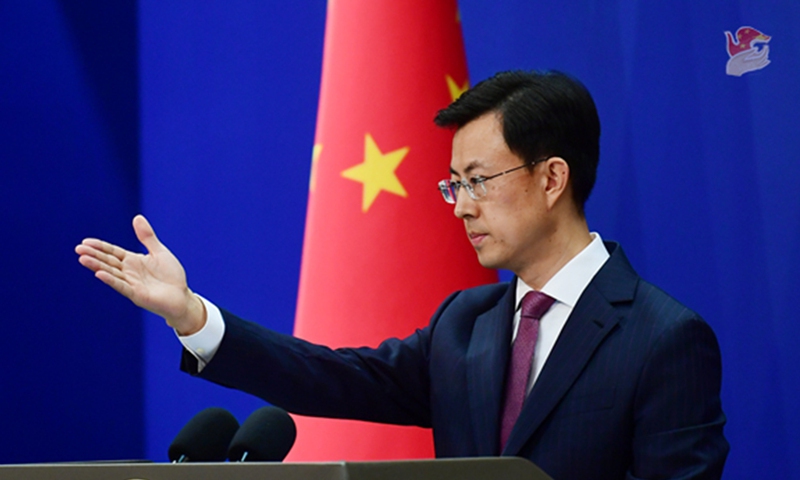
China officially denied allegations on Wednesday that a vessel intercepted by United States forces contained a “gift” or prohibited military materials intended for the Islamic Republic of Iran. The denial follows specific accusations made by President Donald Trump and former UN Ambassador Nikki Haley, who suggested the ship was transporting chemical components for missile production. Chinese Foreign Ministry spokesperson Guo Jiakun characterized the vessel as a standard “foreign container ship” and urged international observers to avoid “malicious association and speculation.” Guo emphasized that Beijing continues to fulfill its international obligations as a responsible major power, maintaining a stance against the unauthorized transfer of sensitive military technology.
US Central Command Details Interception of Iranian Vessel Touska
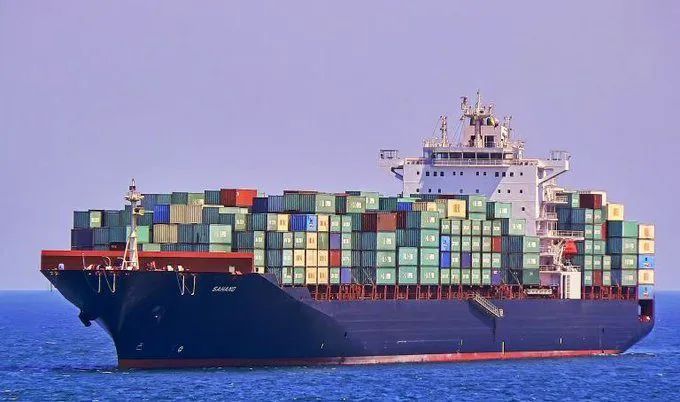
The guided-missile destroyer USS Spruance intercepted and disabled the Iranian-flagged ship, Touska, in the Gulf of Oman on Sunday as it traveled toward the port of Bandar Abbas. According to US Central Command (CENTCOM), the naval operation involved firing several rounds from a five-inch caliber gun to disable the ship’s propulsion system. The strike was executed after the crew was directed to evacuate the engine room, ensuring the vessel was immobilized without immediate sinking. CENTCOM released details of the engagement via social media, highlighting the operation as part of broader efforts to enforce maritime security and prevent the delivery of illicit cargo to Iranian ports.
Trump Cites Potential Breach of Personal Understanding with President Xi
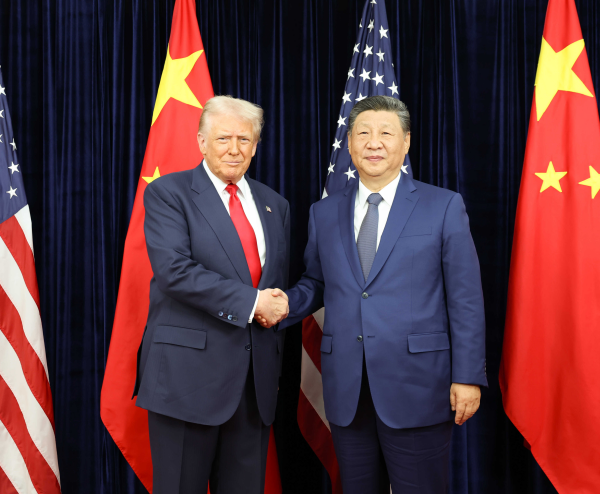
President Donald Trump expressed surprise and disappointment regarding the incident, noting that he believed he had a clear “understanding” with Chinese President Xi Jinping. Only one week prior, Trump announced that he had received personal assurances from President Xi that China would refrain from delivering weapons to Iran. The President stated on Tuesday that the reports of the intercepted cargo were “not very nice,” given the recent high-level diplomatic commitments. The situation has introduced a new layer of friction into the US-China relationship, particularly regarding Beijing’s strategic partnership with Tehran amid the ongoing regional conflict in the Middle East.
Maritime Blockade Tightens in Strategic Strait of Hormuz

The seizure of the Touska occurred against the backdrop of a virtually closed Strait of Hormuz, a critical conduit that facilitates 20 percent of the world’s petroleum and liquefied natural gas transit. While Iran briefly reopened the strait on Friday to acknowledge the Israel-Hezbollah ceasefire in Lebanon, it was shuttered again the following day. This closure was a direct response to the United States maintaining its blockade on all shipping bound for Iranian ports. The maritime standoff continues to disrupt global energy supply chains and has contributed to significant volatility in international oil prices as both nations remain entrenched in their respective naval strategies.
read also ; Saudi Crown Prince Affirms Support for Lebanese Sovereignty During Presidential Call
China Critiques Regional Strikes While Calling for Shipping Access
Beijing has maintained a complex diplomatic position, labeling US and Israeli strikes on Iran as illegal while simultaneously criticizing attacks on other Gulf nations. The Chinese government has repeatedly called for the immediate reopening of the Strait of Hormuz to restore international commercial shipping and stabilize global energy markets. Despite its close ties with Tehran, Beijing has attempted to position itself as a proponent of regional stability, though its continued trade with Iran remains a primary point of contention for the Trump administration. The recent maritime interception serves as a flashpoint in the broader effort to isolate Iran economically and militarily.
Intelligence Reports Link Intercepted Cargo to Missile Technology
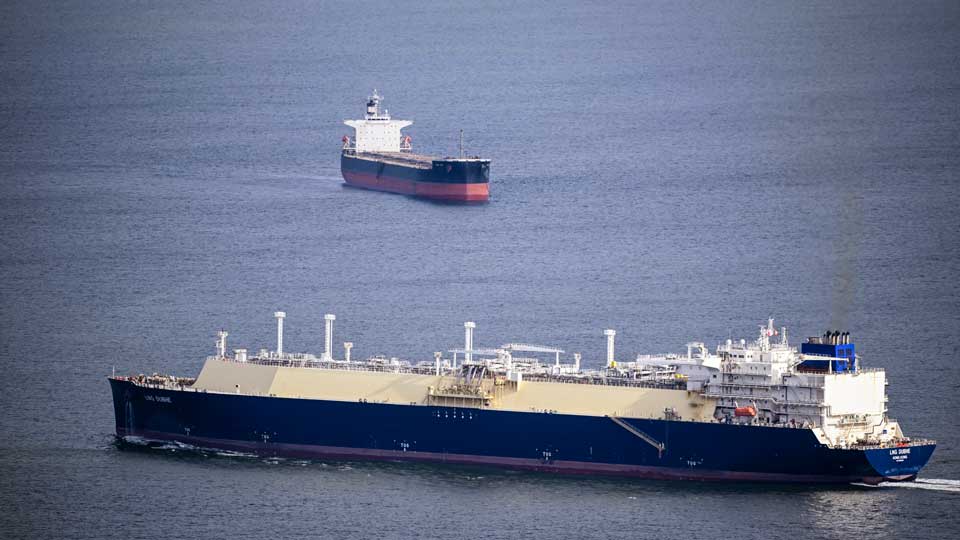
The initial reports that triggered the US naval response originated from intelligence suggesting the Touska was linked to chemical shipments necessary for missile development. Former Ambassador Nikki Haley stated that the ship’s route from China to Iran was indicative of a coordinated effort to bolster Tehran’s military capabilities. While the Chinese Foreign Ministry maintains the cargo was strictly commercial, US officials are currently conducting a thorough investigation of the seized materials. The outcome of this inspection is expected to have significant implications for future diplomatic engagements between Washington and Beijing regarding the enforcement of international sanctions and regional non-proliferation agreements.