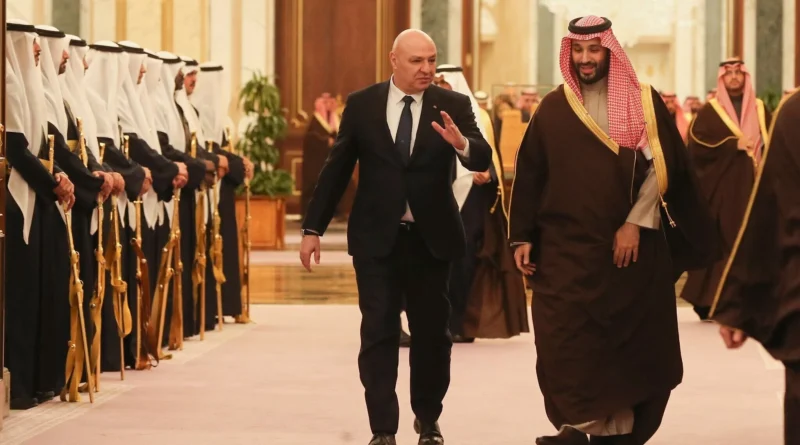
Saudi Crown Prince Affirms Support for Lebanese Sovereignty During Presidential Call
Crown Prince Mohammed bin Salman Reinforces Ties with Lebanon
Saudi Crown Prince Mohammed bin Salman received a formal telephone call from Lebanese President Joseph Aoun on Tuesday to discuss critical regional developments. According to the Saudi Press Agency, the conversation focused on ongoing efforts to achieve security and stability within Lebanon and the broader Middle East. President Aoun expressed his gratitude for the Kingdom’s consistent support and assistance across various circumstances. In response, the Crown Prince reaffirmed Saudi Arabia’s commitment to upholding Lebanese sovereignty, territorial integrity, and national unity. The diplomatic exchange occurs as Lebanon navigates a complex security landscape following recent military escalations and ongoing international mediation efforts.
Washington Facilitates Renewed Diplomatic Engagement Between Lebanon and Israel
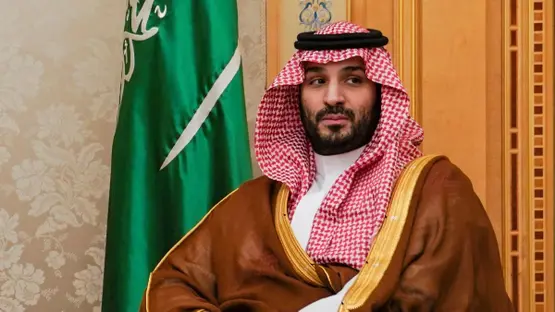
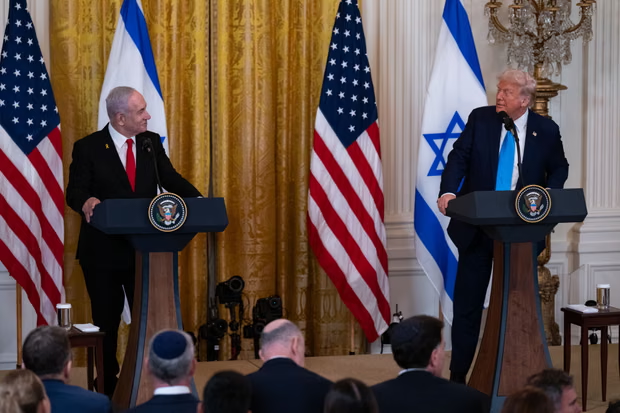
A 10-day ceasefire between Israel and Hezbollah, mediated by the United States, came into effect last Thursday, though Israeli forces remain positioned in a strategic belt along the border. As part of the diplomatic roadmap, new talks between the Lebanese and Israeli ambassadors to the United States are scheduled for Thursday in Washington. These discussions follow the historic first round of direct talks held on April 14, marking a significant shift in regional engagement. A U.S. State Department official confirmed that the upcoming meeting aims to build upon the initial dialogue, seeking a more permanent resolution to the border tensions that have characterized the recent conflict.
Saudi Arabia Welcomes International Pilgrims for Annual Hajj Season
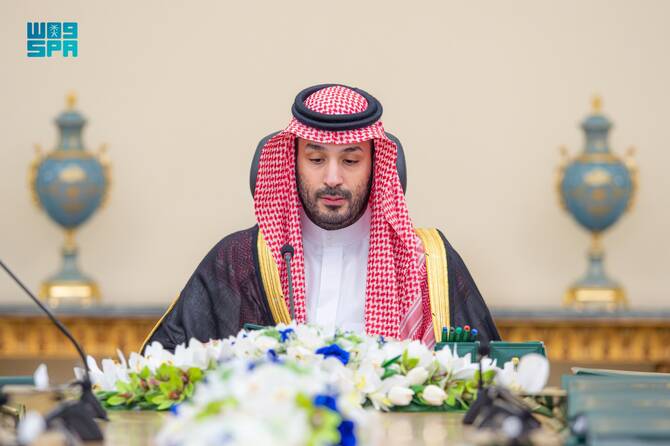
Crown Prince Mohammed bin Salman officially welcomed the arrival of Hajj pilgrims from across the globe on Tuesday, marking the commencement of the annual pilgrimage. During a Cabinet meeting, the Crown Prince expressed the Kingdom’s pride in serving the two holy mosques and ensuring the safety of all visitors. In the past week, pilgrims from Pakistan, India, Bangladesh, Malaysia, and Turkiye have begun arriving at Saudi ports of entry. To ensure a seamless experience, Prince Mohammed ordered the full utilization of all organizational, security, and preventative resources across Makkah, Madinah, and the Holy Sites to provide superior facilities for the 2026 season.
Cabinet Monitors Maritime Stability and Global Energy Supply Chains
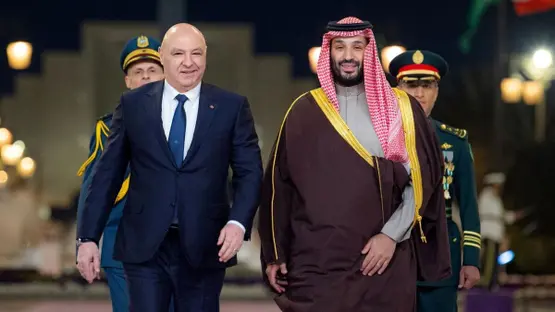
The Saudi Cabinet stated on Tuesday that it is closely monitoring developments regarding maritime traffic in the Strait of Hormuz. Highlighting the Kingdom’s strategic foresight, the Cabinet affirmed that decades of investment in energy security and alternative export routes have bolstered Saudi Arabia’s capacity to maintain global energy supplies. These internal measures are designed to mitigate the repercussions of current geopolitical tensions and protect global supply chains from regional instability. The Kingdom remains positioned as a stabilizing force in the energy market, prepared to operate effectively even under the most difficult international circumstances.
read also ; President Tokayev Urges Regional Unity at Astana Ecological Summit
Uncertainty Surrounds US-Iran Ceasefire as Truce Expiration Approaches
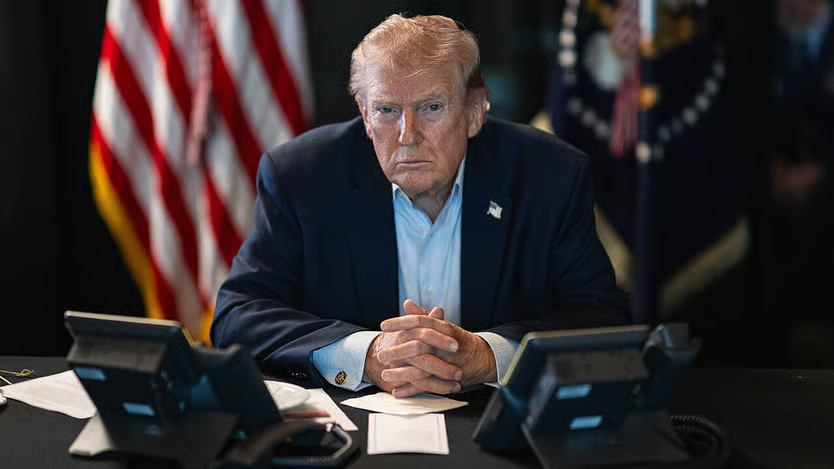
Diplomatic efforts between the United States and Iran faced increased uncertainty on Tuesday as a two-week truce neared its expiration date. While last-minute ceasefire negotiations continued, both Washington and Tehran issued warnings that they remain prepared to resume active hostilities if a comprehensive deal is not reached. This tension coincides with the broader regional instability and the ongoing blockade concerns in the Strait of Hormuz. The lack of a unified proposal has created a volatile atmosphere, with international observers monitoring whether a second round of talks in Islamabad will materialize before the current ceasefire deadline on Wednesday.
Human and Economic Toll Persists Amid Regional Military Conflicts
The broader regional conflict continues to exert a heavy human and economic toll, with substantial casualties reported across several borders. Since the outbreak of hostilities on February 28, thousands have been killed in Iran, while deaths have also been recorded in Israel, Lebanon, and several Gulf Arab states. The impact on global markets remains severe, with international oil prices trading significantly higher due to the disruption of key shipping lanes. As the international community pushes for extended truces, the focus remains on preventing a full-scale resumption of fighting that could further destabilize the Middle East and global economic networks.