

WeChat Pay Expands Regional Interoperability Across Five Key Asian Markets
WeChat Pay Achieves Full Interoperability with Local Payment Infrastructures
WeChat Pay has announced a significant expansion of its cross-border services, enabling users to facilitate transactions in the Republic of Korea, Sri Lanka, Thailand, Malaysia, and Singapore by scanning local QR codes. Unlike traditional merchant-specific deals, this integration represents a comprehensive interoperability with the national payment infrastructures of these five countries. A WeChat Pay official confirmed that the system is fully compliant, allowing tourists to use the platform just as local residents do. This development eliminates the need for travelers to download specialized local applications or engage in manual currency exchange, streamlining the payment process for millions of users.
Surging Tourism Demands Drive Cross-Border Payment Innovation
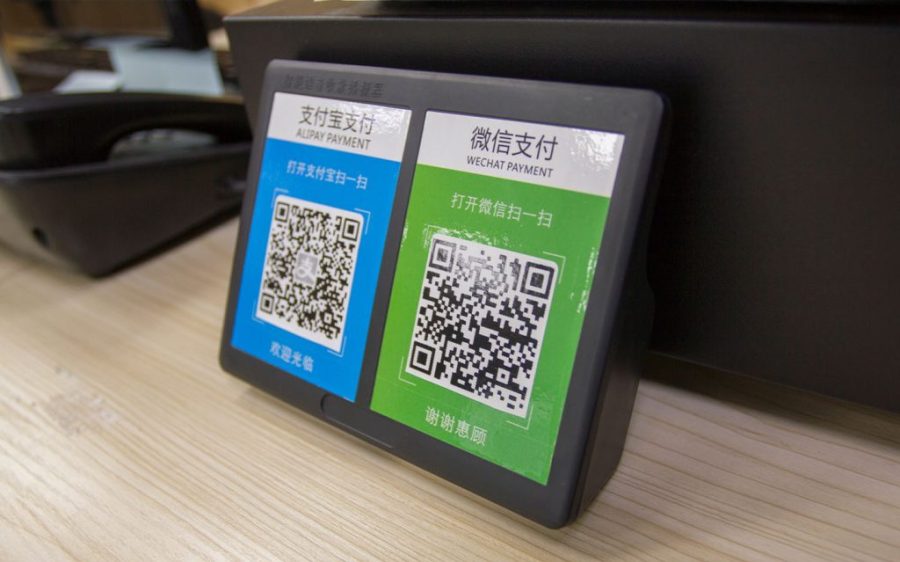
Data from the National Immigration Administration reveals that border authorities handled 185 million cross-border trips between January and March, marking a 13.5 percent year-on-year increase. This continued boom in both inbound and outbound tourism has generated substantial demand for seamless cross-border payment solutions. WeChat Pay’s service now extends to 78 countries and regions, supporting 36 different currencies. Similarly, Alipay+, managed by Ant International, connects over 40 global e-wallets and collaborates with more than 10 national QR code networks. These platforms currently cover over 150 million merchants and 1.8 billion consumer accounts across more than 100 markets worldwide.
Inbound Payment Reforms Fuel Massive Consumption Growth in China
China has actively eased inbound payment restrictions to better accommodate international visitors, allowing overseas bank cards to be linked directly to Alipay or WeChat Pay. Additionally, partnerships with domestic payment institutions have enabled the use of foreign e-wallets at Chinese merchants. In 2025, more than 10 million inbound tourists utilized these integrated services, resulting in a year-on-year consumption increase of over 100 percent. These reforms are part of a broader strategy to make the Chinese market more accessible to international travelers and to support the domestic service industry through increased foreign spending.
People’s Bank of China to Accelerate Yuan-Based Payment Systems
The People’s Bank of China (PBOC) announced in January that it will prioritize the development of a cross-border payment system denominated in yuan throughout 2026. The central bank aims to promote a diversified, multi-level connectivity framework that enhances the efficiency of international transactions. Experts suggest that these measures are designed to transition China’s payment industry from a large-scale operation to a globally influential powerhouse. By offering “Chinese solutions” for regional interconnectivity, the PBOC intends to reduce reliance on traditional western-dominated financial networks and promote the internationalization of the Renminbi.
read also ; Italy Summons Russian Ambassador Over Offensive Television Broadcast Targeting Meloni
Regional Payment Interconnectivity Offers Global FinTech Solutions

The integration of QR code networks across Asia is being hailed by financial experts as a model for global regional payment interconnectivity. By linking disparate national systems, platforms like WeChat Pay and Alipay+ are creating a more unified financial landscape that facilitates smoother trade and tourism. These advancements not only benefit consumers but also provide small and medium-sized merchants with access to a broader base of international customers. The shift toward a digital-first payment ecosystem is seen as a strategic move to strengthen economic ties between China and its regional partners through technological standardization.
Future Outlook for Digital Payment Expansion and Currency Diversity

As the digital payment sector continues to evolve, the focus is shifting toward supporting a wider array of national QR networks and expanding currency support. The success of the current interoperability model in Southeast Asia and South Korea is expected to serve as a blueprint for future expansions into European and North American markets. Industry leaders anticipate that the integration of artificial intelligence and advanced encryption will further enhance the security and speed of cross-border transactions. These efforts are likely to maintain China’s position as a leader in the global FinTech sector, driving continued innovation in how the world manages international commerce and personal finance.