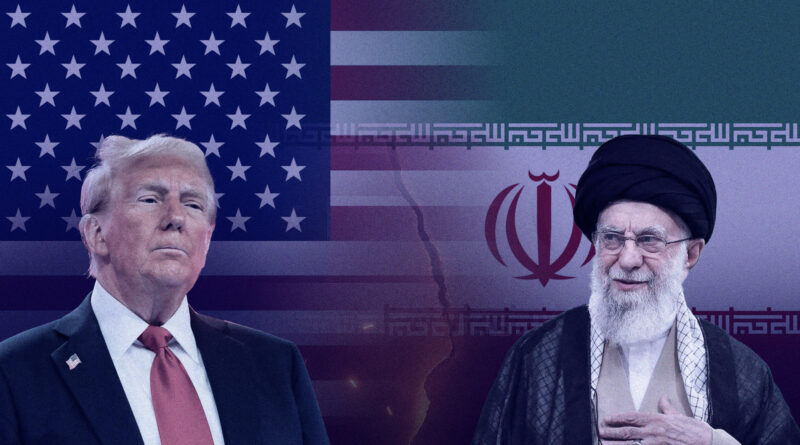
The Gulf’s New Security Paradox: Iran, the US-Israel Axis, and Pakistan’s Delicate Balancing Act
Muhammad Sajjad Haider

Geopolitical Realignment and the Fragile April 2026 Ceasefire
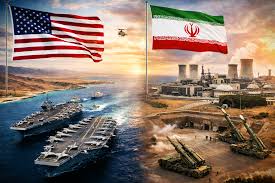
The Middle East’s geopolitical architecture has undergone a fundamental shift following the February 2026 US-Israeli military operations against Iran. As the shaky April 2026 ceasefire remains precarious, the Gulf Cooperation Council (GCC) states are navigating a perilous security environment. This conflict effectively shattered the “safe haven” illusion for Saudi Arabia and the United Arab Emirates (UAE), which had invested billions to project stability. During the hostilities, Iran directed approximately 83% of its missile and drone strikes at GCC nations, targeting the UAE most heavily due to its hosting of American military sites.
Divergent Strategic Calculations Among Gulf Cooperation Council States
The recent conflict has exacerbated disparate strategic calculations between Abu Dhabi and Riyadh regarding regional normalisation. Having borne the brunt of Iranian strikes, the UAE has adopted an antagonistic stance, closing its embassy in Tehran and doubling down on military ties with the United States. Conversely, Saudi Arabia has maintained diplomatic channels with Iran, adhering to the 2023 Beijing-brokered agreement. Riyadh’s caution is driven by the necessity of regional stability to protect its Vision 2030 economic reforms, though both nations remain entrenched in a “cold peace” dictated by the threat of mutual economic annihilation.
Pakistan’s Emergence as a Critical Regional Diplomatic Mediator
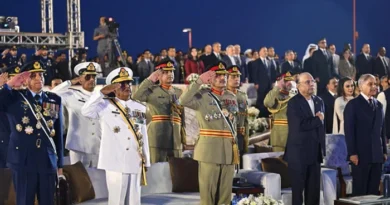
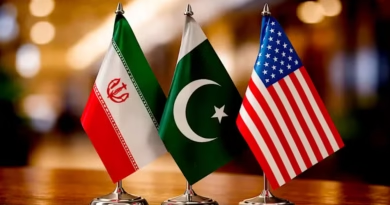
Pakistan has assumed an unprecedented role as a high-stakes mediator, filling a diplomatic void as traditional brokers like Qatar adopt more cautious postures. Islamabad’s initiative is fueled by domestic necessity; any disruption in the Strait of Hormuz poses an existential threat to Pakistan’s energy-dependent economy. Furthermore, with a 900-kilometer shared border with Iran and the world’s second-largest Shia population, Pakistan views the prevention of a wider sectarian conflict as a primary national security objective. Islamabad’s leverage is bolstered by Field Marshal Asim Munir’s access to the Trump administration and Pakistan’s historical ties with Tehran and Riyadh.
The Strategic Complexity of the 2025 Saudi Defense Pact
Pakistan’s mediation efforts are complicated by the Strategic Mutual Defence Agreement (SMDA) signed with Saudi Arabia in September 2025. This pact, which mandates a collective response to aggression, was invoked by Riyadh following the 2026 conflict. Consequently, Pakistan deployed military assets, including fighter jets, to Saudi Arabia’s Eastern Province. This deployment serves as a deterrent to further Iranian strikes on Saudi infrastructure, but it forces Islamabad to perform a delicate balancing act: maintaining its defense commitment to Riyadh while convincing Tehran of its continued impartiality as a neutral facilitator.
read also ; Prime Minister Shehbaz Sharif Strengthens Global Ties During Tour
Military Deployment and the Limits of Defensive Neutrality
Analysts suggest that Pakistan’s dual role as a defender and mediator is intrinsically fragile. While the deployment under the SMDA is currently viewed as the price for Saudi restraint, its sustainability depends entirely on the nature of operations. Security experts argue that Pakistan can only maintain this position if its military presence remains strictly defensive and time-bound. Should the theater shift toward offensive operations, Pakistan’s impartiality as a mediator would likely dissolve, potentially drawing the nation deeper into the regional conflict and undermining its diplomatic offramps.
The Future of Regional Stability and Diplomatic Offramps
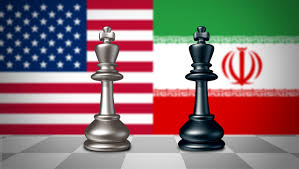
The postwar Middle East is currently defined by vulnerability and a strategic realignment toward pragmatism. While Iran remains a potent near-term threat, the Gulf states recognize that reliance on the US-Israel axis offers only temporary security at the cost of persistent instability. The success of the diplomatic frameworks currently being constructed in Islamabad will determine if the region achieves a functional, albeit “chilly,” normalization. Ultimately, the ability of these diplomatic efforts to withstand the maximalist demands of the warring parties will be the deciding factor between renewed turmoil and regional de-escalation.
Economic Integration and the Impact of Maritime Blockades
The ongoing security paradox has direct implications for international commerce and the commercial models of the Gulf states. Persistent strikes and retributive cycles threaten to discourage international investment and weaken the diversification goals of Arab economies. Pakistan has specifically called for the reopening of the Strait of Hormuz, emphasizing that the normalization of maritime routes is essential for the global economy. By linking regional peace to the flow of energy and commodities, Pakistani diplomacy seeks to build a broader international consensus for a negotiated settlement between the US-Israel axis and Iran.