EU Ministers Approve Sanctions Against Israeli Settlers and Hamas
European Union Foreign Ministers Agree on New Sanctions Framework
European Union foreign ministers reached a landmark consensus on Tuesday to impose targeted sanctions against both extremist Israeli settlers and key figures within Hamas. The agreement, finalized during a high-level meeting of the bloc’s diplomatic leadership, establishes a framework for asset freezes and travel restrictions. This dual approach aims to address the escalating violence and instability in the region by holding individuals and organizations accountable for actions that undermine peace. The decision marks a significant consolidation of European foreign policy, reflecting a unified stance against actors perceived to be fueling the ongoing conflict through various forms of aggression and illegal occupation activities.
Asset Freezes and Travel Restrictions Targeting Specific Entities

The newly approved sanctions package specifically targets three individuals and four organizations involved in illegal occupation and violence. Under the terms of the agreement, any assets held by these entities within the European Union will be frozen, and the identified individuals will be prohibited from entering EU territory. This move is designed to disrupt the financial and operational networks of those engaged in destabilizing activities in the Palestinian territories. By implementing these measures, the European Union seeks to exert tangible pressure on those responsible for human rights violations, signaling that continued aggression will carry significant economic and diplomatic consequences on the international stage.
Shift in Hungarian Policy Enables European Consensus
The path to these sanctions was previously obstructed by the Hungarian government under Viktor Orbán, which had blocked measures against Israeli settlers despite reported incidents of violence against Palestinians in the West Bank. However, a shift in the political landscape and the stance of the new government in Budapest led to the withdrawal of the long-standing veto. This policy reversal was the critical factor that allowed the European Union to move forward with a unified decision. The removal of the Hungarian opposition has cleared the way for the bloc to implement its broader humanitarian and security objectives, which were previously stalled by internal disagreements regarding the appropriate response to West Bank violence.
Ongoing Military Operations in Gaza Result in Fatalities
While diplomatic measures are being finalized in Brussels, the situation on the ground remains volatile, with Israeli forces continuing operations in the Gaza Strip. Recent reports confirm that at least four more Palestinians have been killed in the latest military actions. These fatalities add to the mounting human cost of the conflict as combat operations persist in densely populated areas. The continued loss of life underscores the urgency of the discussions held by European ministers, who are increasingly focused on finding mechanisms to de-escalate the violence and provide relief to civilian populations caught in the crossfire of the protracted military engagement.
read also ; President Trump Travels to China for Landmark Presidential Summit
Raids and Industrial Demolitions Reported in Occupied Jerusalem
Beyond the kinetic conflict in Gaza, security operations have intensified in occupied Jerusalem, characterized by a series of raids and arrests. Israeli authorities have also reportedly overseen the demolition of several industrial structures in the area. These actions have drawn criticism from international observers who view the destruction of infrastructure and frequent raids as contributors to regional tension and economic hardship for local residents. The dual pressure of military strikes in Gaza and administrative demolitions in Jerusalem continues to shape the geopolitical landscape, complicating efforts to establish a lasting ceasefire or a viable path toward regional stabilization.
European Commitment to Combating Regional Instability
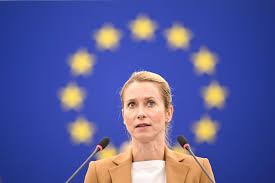
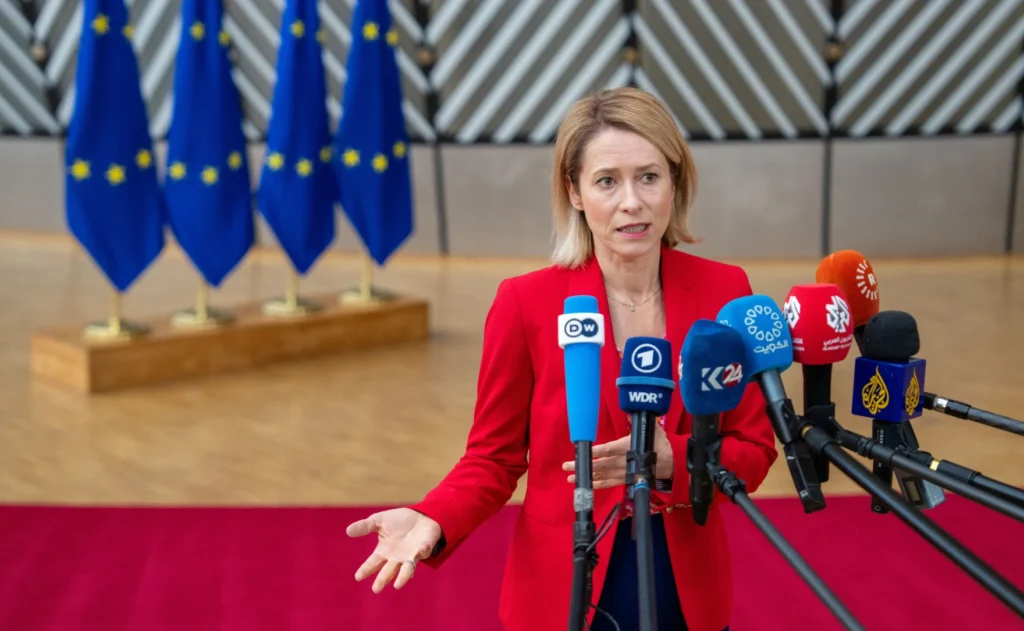
The EU’s decision to sanction Hamas figures alongside extremist settlers highlights a commitment to a balanced yet firm approach to Middle East security. By targeting Hamas leadership, the bloc reaffirms its position against militant aggression, while the sanctions on settlers address long-standing concerns regarding the expansion of illegal outposts and settler-led violence. Kaja Kallas, the EU’s foreign policy chief, noted that these measures are part of a broader strategy to utilize the bloc’s economic influence to support international law. The synchronized application of these sanctions is intended to demonstrate that the European Union remains an active and principled stakeholder in Mediterranean security.
Broader Geopolitical Implications for Mediterranean Security
The consensus reached in Brussels is expected to influence broader international responses to the Middle East crisis. As the European Union aligns its member states’ policies, it strengthens its collective bargaining power in discussions with regional players and the United States. The focus on both Hamas and settler violence suggests a sophisticated understanding of the multifaceted nature of the conflict. Moving forward, the effectiveness of these sanctions will depend on the rigorous enforcement by individual member states and the degree to which they can influence the behavior of the targeted actors. For now, the agreement stands as a significant diplomatic achievement for a bloc often characterized by internal divisions on Middle Eastern affairs.