
Global Climate Accountability Strained as Fifty Nations Miss NDC Deadline
Fifty Nations Fail to Submit Vital Climate Plans to United Nations
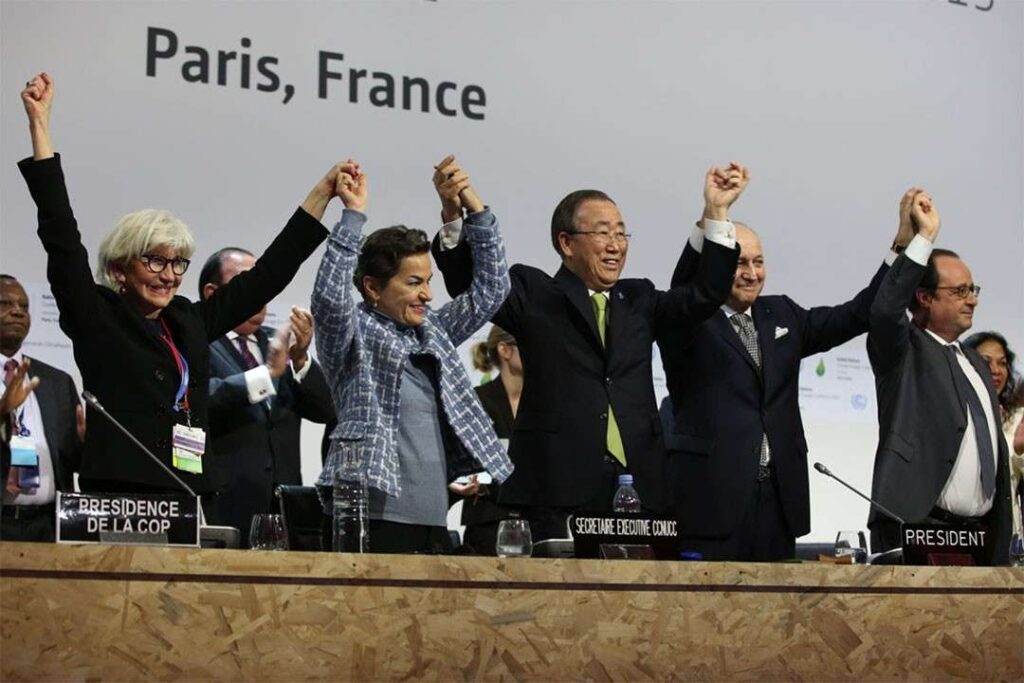
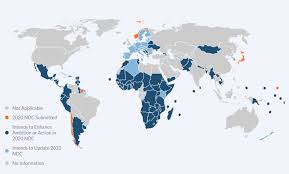
At least fifty countries have yet to submit their updated Nationally Determined Contribution (NDC) climate plans to the United Nations, missing a critical 2025 deadline. The Paris Agreement’s Implementation and Compliance Committee (PAICC) reported in March that 55 countries were originally non-compliant, though two have since submitted their documentation. These plans are a cornerstone of the 2015 Paris Agreement, requiring governments to publish more ambitious targets every five years to limit global warming. The current delay represents a significant hurdle for international climate governance as the world looks toward the 2035 targets to prevent the most catastrophic effects of planetary heating.
PAICC Expresses Concern Over Lack of Communication from 28 States
The PAICC board noted with concern that 28 of the non-compliant countries have failed to provide any information regarding their missing NDCs or their biennial transparency reports. Despite receiving multiple reminders from the UN climate body, these nations have remained silent on their progress or the obstacles they face. While some board members pushed to publicly name these countries to encourage accountability, the committee ultimately decided against it during the March meeting. However, the committee indicated that it may officially name the non-communicating nations during its next scheduled session in September if the silence persists.
Economic and Political Barriers Hindering Climate Plan Development
The majority of the countries yet to publish their new NDCs are smaller, poorer nations with historically low carbon emissions. Creating a comprehensive NDC is a resource-intensive process that requires tracking national emissions and consulting across various economic sectors to develop feasible curbing strategies. Exceptional circumstances have been cited by some; for instance, officials from Sudan informed the PAICC that their ongoing civil war has completely suspended the preparation of their climate documentation. These instances highlight the gap between international climate mandates and the practical, ground-level realities of nations facing internal instability or extreme poverty.
Major Global Emitters and the Impact of US Withdrawal
Among the group of nations that have not yet submitted their plans, the most significant emitters are Egypt, Vietnam, Argentina, and the Philippines. Their lack of participation is particularly impactful given their growing industrial footprints. The global landscape is further complicated by the status of the United States and Iran, neither of which is currently signed up to the Paris Agreement. Although the U.S. had submitted a 2035 NDC under the previous administration, President Donald Trump’s decision to withdraw the United States from the UN climate accords has removed the world’s second-largest emitter from the formal compliance framework.
read also ; Ambassador Baluch Launches Strategic Policy Prism at Islamabad Institute
Transparency Requirements and the Role of Biennial Reports
The Paris Agreement mandates not only the submission of NDCs but also biennial transparency reports to track the actual climate action being taken by governments. The PAICC is tasked with ensuring that these commitments are respected to maintain the integrity of the accord. The failure of nearly thirty nations to submit either document suggests a widening gap in the global reporting system. Without these transparency reports, the international community lacks the data necessary to assess whether global emissions are truly on a downward trajectory or if the goals set in 2015 are becoming increasingly unattainable.

September Meeting to Determine Future Enforcement Actions
The upcoming September meeting of the PAICC is viewed as a critical juncture for climate diplomacy. The committee will have to decide whether to escalate its response to non-compliant nations by utilizing “naming and shaming” tactics or providing additional technical support to help poorer nations meet their obligations. As the third round of climate plans—featuring new targets for 2035—remains incomplete, the pressure is mounting on the UN to ensure that the Paris Agreement does not lose its momentum due to administrative delays and geopolitical shifts among its signatories.
The Strategic Importance of the 2035 NDC Targets
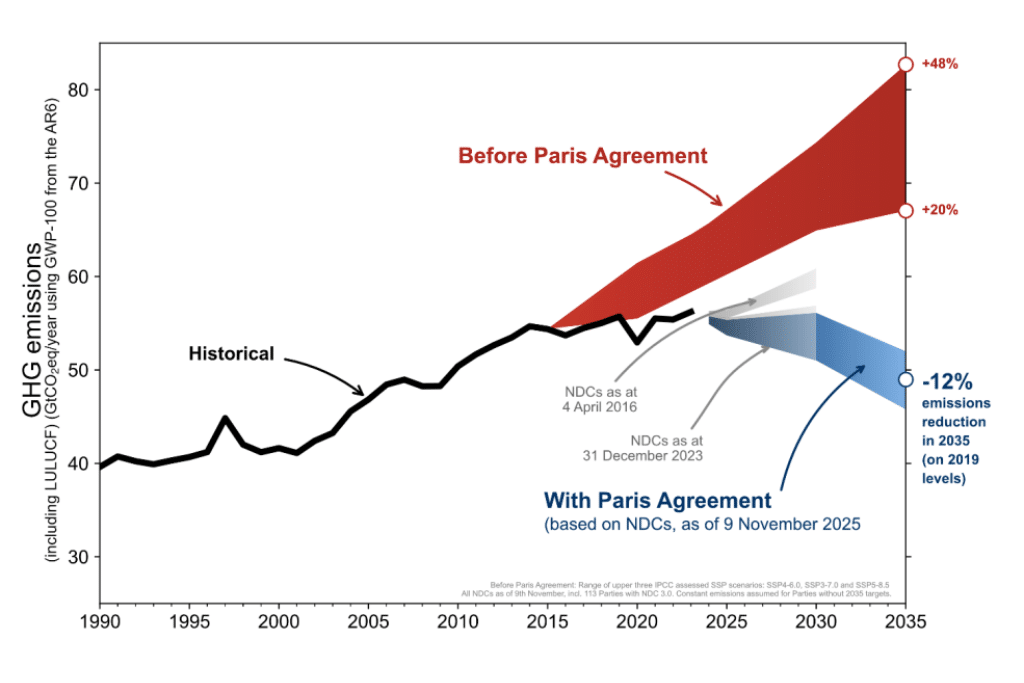
The current round of NDCs is particularly vital because they set the stage for the 2035 window, a period scientists describe as a “last chance” to align global policy with the goal of limiting warming to $1.5^\circ\text{C}$. Following India’s recent submission, the focus has shifted to the remaining holdouts. For the Paris Agreement to function as intended, universal participation is required to prevent “carbon leakage” and ensure that all nations, regardless of their economic status, contribute to a unified global response. The delays reported this year serve as a stark reminder of the logistical and political complexities inherent in global environmental cooperation.