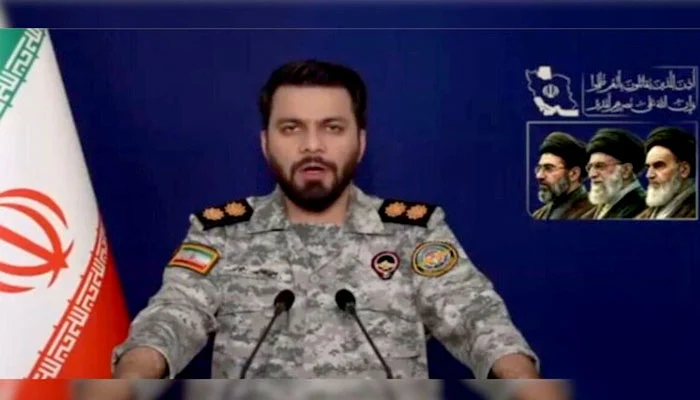
Iran Warns United States of Devastating Military Escalation
The spokesperson for Iran’s Khatam al-Anbiya Central Headquarters, Ibrahim Zolfaghari, has issued a formal warning to the United States, promising further devastating military strikes. In a statement released following recent escalations, Zolfaghari asserted that the ongoing conflict in the Middle East will persist until the United States is forced into a state of permanent humiliation and surrender. This official response follows a series of high-level exchanges between Tehran and Washington regarding regional military dominance.
Tehran Rejects Trump Claims Regarding Depleted Missile Reserves
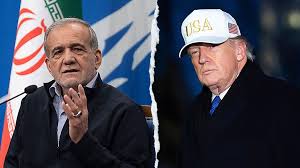
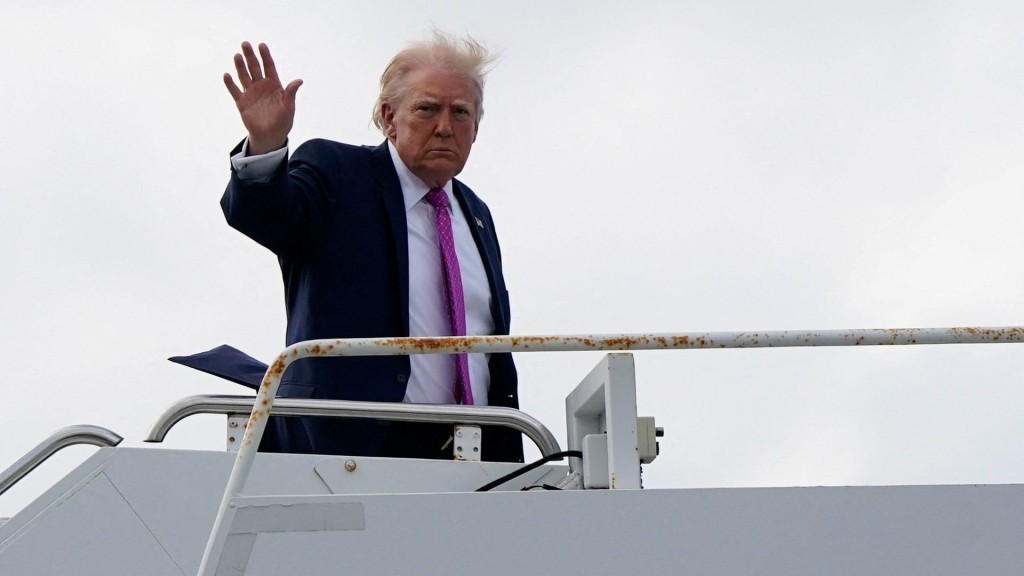
According to international media reports, Zolfaghari’s statement served as a direct rebuttal to recent claims made by U.S. President Donald Trump. The Iranian military official rejected the White House’s assessment that Iran’s offensive capabilities have weakened. This friction comes after President Trump’s recent address, in which he claimed that Iran’s missile inventory has been severely depleted and that the nation’s capacity to launch coordinated drone and missile strikes has been significantly restricted by recent operations.
read more ; China and Pakistan Issue Joint Initiative for Middle East Stability
During his address, President Trump utilized aggressive rhetoric, declaring that the United States intended to return Iran to the “Stone Age” within the next two to three weeks. The U.S. President expressed confidence that American forces would achieve all designated combat objectives in the near term. These remarks have been characterized by Iranian officials as a fundamental misunderstanding of the current geopolitical and military landscape, further straining the diplomatic impasse between the two nations.
Central Headquarters Spokesman Predicts Prolonged Middle East Conflict
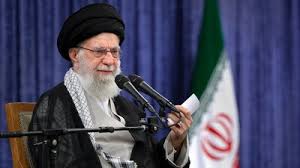
Spokesman Ibrahim Zolfaghari countered these threats by announcing that Iran is prepared to execute more powerful, extensive, and destructive attacks against both American and Israeli military assets. He challenged the accuracy of U.S. intelligence, stating that Washington’s information regarding Iranian military hardware and personnel is incomplete. Zolfaghari emphasized that the United States remains ignorant of Iran’s broad strategic capabilities and the true extent of its domestic defense industry.
Furthermore, Zolfaghari cautioned Washington against the assumption that U.S. strikes had successfully neutralized Iran’s strategic missile production centers. He maintained that critical infrastructure, including missile manufacturing plants, long-range weaponry, advanced unmanned aerial vehicles (UAVs), air defense systems, and electronic warfare units, remain fully functional and secure. The spokesman argued that any belief to the contrary is a tactical delusion that will only draw the United States deeper into a regional “quagmire.”
Washington Warned of Miscalculations Regarding Iranian Defense Capabilities
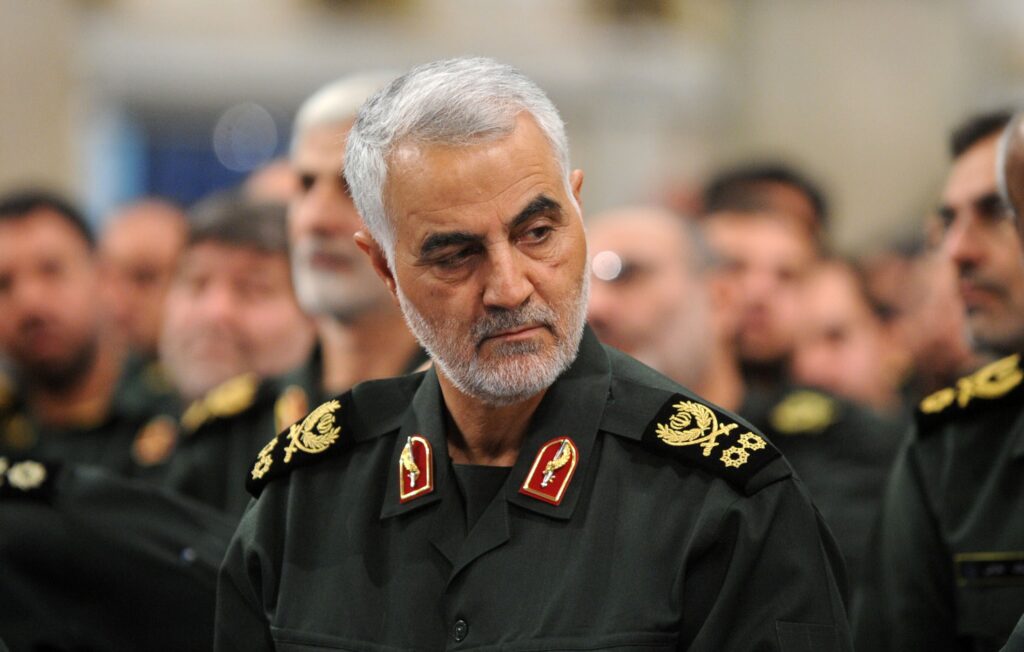
According to the Iranian official, the locations targeted by recent U.S. military actions were of minor strategic importance. He claimed that the primary hubs for military production are situated in locations that remain beyond the reach of American strike capabilities. Zolfaghari advised U.S. officials to cease attempts to quantify Iran’s missiles, drones, and strategic systems, suggesting that such calculations are destined to be proven incorrect and will ultimately yield no strategic advantage for the West.
The statement concluded with Iran placing the blame for the initiation of hostilities squarely on the United States and Israel. Ibrahim Zolfaghari reaffirmed Tehran’s commitment to continuing retaliatory measures as long as foreign forces remain active in the region. This escalation underscores a significant hardening of positions, as both nations signal a readiness for prolonged military confrontation despite international calls for de-escalation and a return to diplomatic channels.