Tokyo Fashion Awards Recognize Global Potential Of Japanese Brands
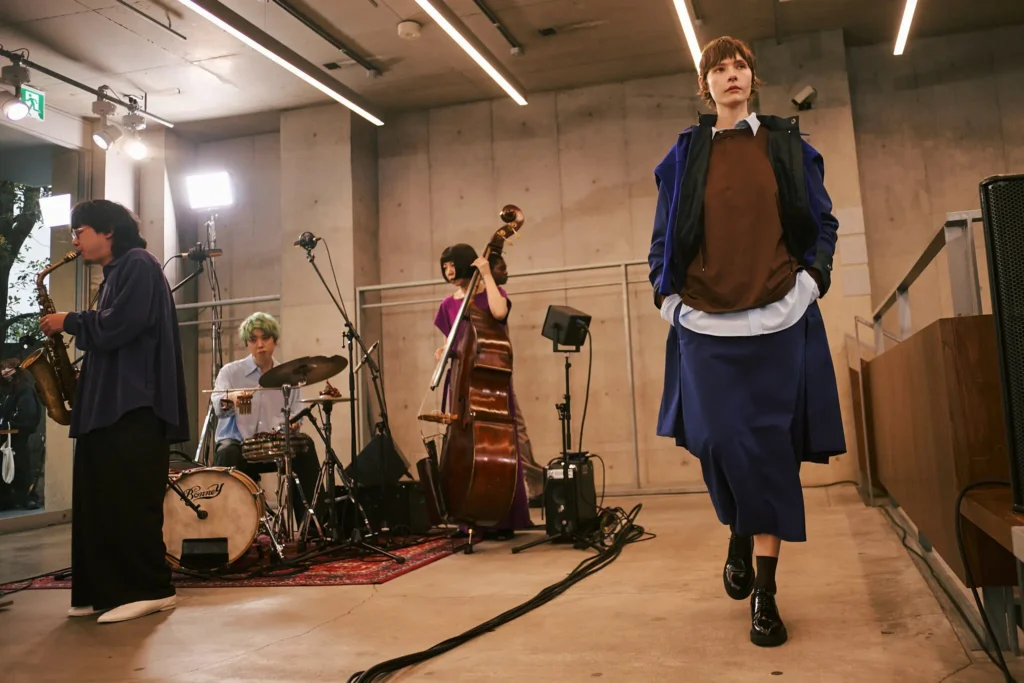
While the traditional fashion capitals of New York, London, Milan, and Paris frequently dominate international headlines, Tokyo Fashion Week has once again established itself as a primary source of avant-garde style inspiration. The Autumn/Winter 2026 season, which took place this March immediately following the Paris shows, served as a landmark event marking two decades of the Japan Fashion Week Organization (JFWO). The week featured a total of 33 collections, showcasing a diverse range of aesthetic visions that prioritized concept and craft over traditional commercial scale.
Extreme Layering And Textile Innovation Define Tokyo Aesthetics
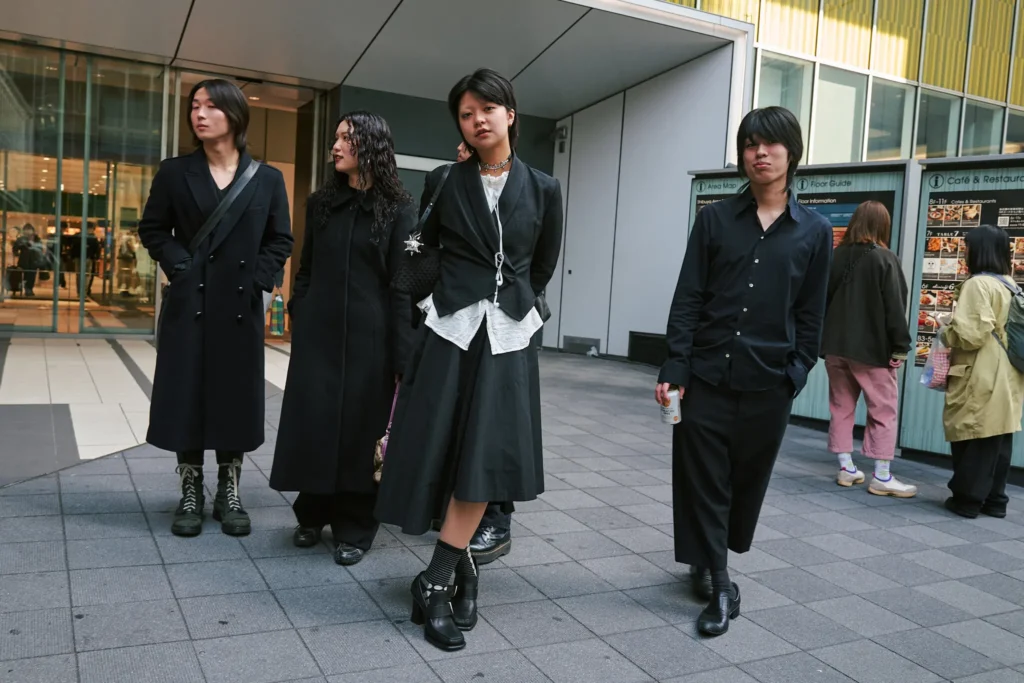
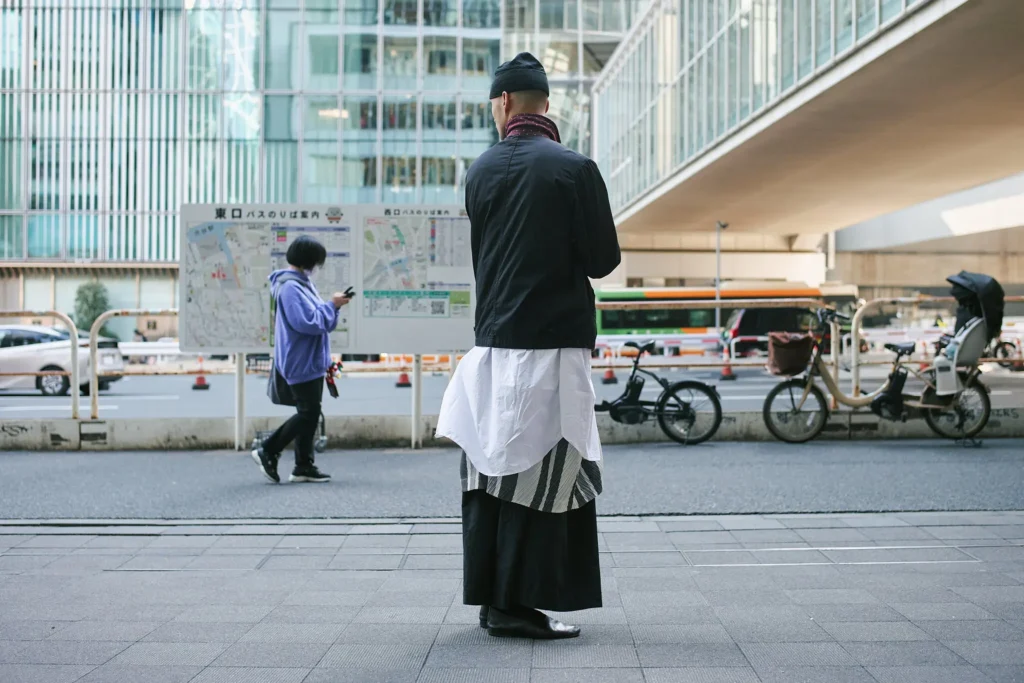
On the runways and throughout the city’s streets, the clothing displayed specific hallmarks of Japanese design, particularly relaxed silhouettes and highly innovative garment constructions. A trend colloquially known as “layermaxxing”—extreme, intentional layering—was ubiquitous across both official shows and street-style exhibitions. This technique frequently involved the complex combination of disparate textiles such as wool, lace, and distressed denim. The resulting ensembles were characterized by rich textures and a bold approach to mashing up patterns, prints, and colors that challenged traditional notions of color coordination.
Twentieth Anniversary Season Celebrates History And Future Vision
The 2026 A/W season operated under the official theme, “Be the seam that connects the world.” Events were primarily concentrated at Shibuya Hikarie, though the schedule expanded to unique locations including the French Ambassador’s residence and a restored 1929 bank in Yokohama. This anniversary season was designed to honor the history of Japanese fashion while fostering emerging talent through new “Incubation Shows.” These platforms are specifically intended to assist students and independent fashion groups as they transition from academic environments to the professional international runway.
read also ; Pakistani Actor Hamza Abbasi Distances Himself from Sister’s Money Laundering Probe
Award Winning Designers Showcase Global Competitive Potential
The week featured significant presentations from winners of the Tokyo Fashion Award and the Fashion Prize of Tokyo. Emerging brand Kakan opened the week with an intuitive, hand-knitted collection, while YOKE presented a homecoming show following its successful debut at Paris Fashion Week. Other notable participants included mukcyen, which drew inspiration from the life of Marie Antoinette to explore themes of public and private identity. These designers utilized the Tokyo platform as a global communications engine, prioritizing brand amplification and artistic expression to reach international audiences via social media.
Street Style Reflects Rebellious Edge And Technical Tailoring
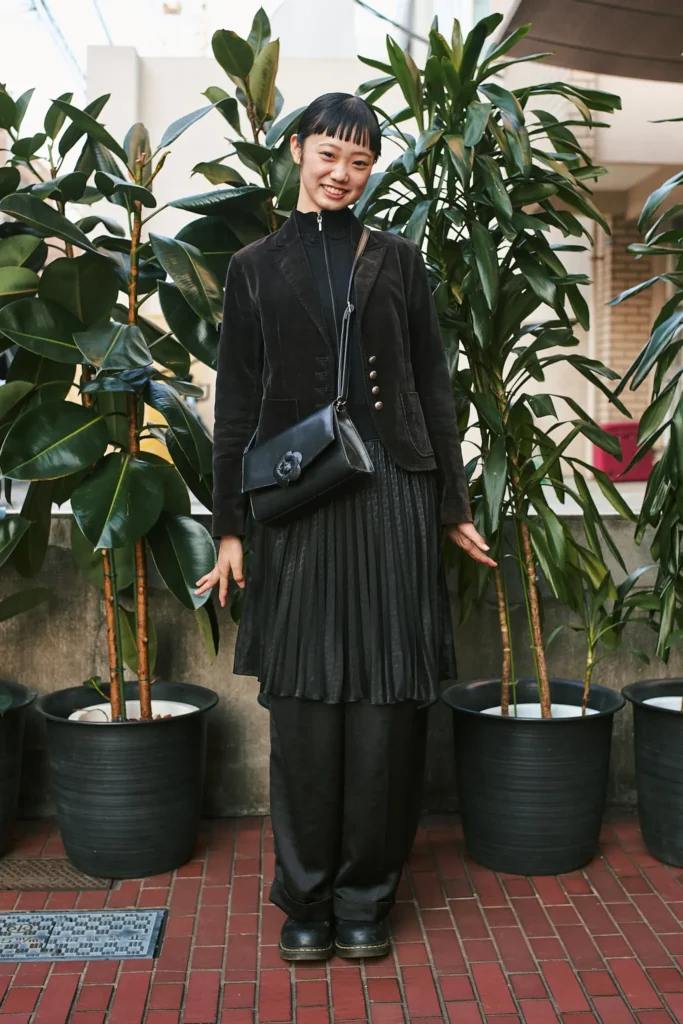
The sidewalks of Shibuya and Harajuku transformed into a sprawling exhibition of boundary-pushing attire, often overshadowing the formal runway shows. Street-style trends for the season were heavily rooted in complex proportions and transitional weather dressing. Showgoers were observed stacking rugged, utilitarian pieces with unexpected luxury details, such as fur accents and heritage plaid. This rebellious edge was further defined by raw asymmetrical hems and deconstructed garments, reflecting Tokyo’s unique ability to merge gritty, punk-inspired streetwear with high-end technical tailoring.
International Collaboration Enhances Tokyo Cultural And Commercial Hinge
International participation was a key feature of the season, with partnership shows featuring designers from Taiwan, China, and Germany. Iconic French brand agnès b. made a highly anticipated return to the Tokyo runway for the first time in nearly a decade, symbolizing the ongoing cultural exchange between Japan and Europe. Additionally, collaborations like FDMTL’s “Pre-Singularity” collection blended traditional Japanese haori coats with modern technical footwear, including split-toe tabi sneakers. This cross-border exchange reinforces Tokyo’s role as a vital cultural and commercial hinge in the global fashion industry.
Commitment To Artistic Craft Over Immediate Wholesale Outcomes
As the season concluded, the consensus among industry observers was that Tokyo offers a distinct level of creative freedom not always found in the more commercialized fashion weeks. Designers continue to experiment with 3D-wrinkled fabrics, skeletal-inspired constructions, and artisanal textile traditions like indigo dyeing. By prioritizing the human experience and conceptual narratives, Tokyo Fashion Week remains a critical incubator for the next generation of global fashion leaders. The administration remains focused on expanding the reach of Japanese designers through continued support for showroom placements in Paris and other major markets.