Iranian President Warns Tehran May Face Water Evacuation
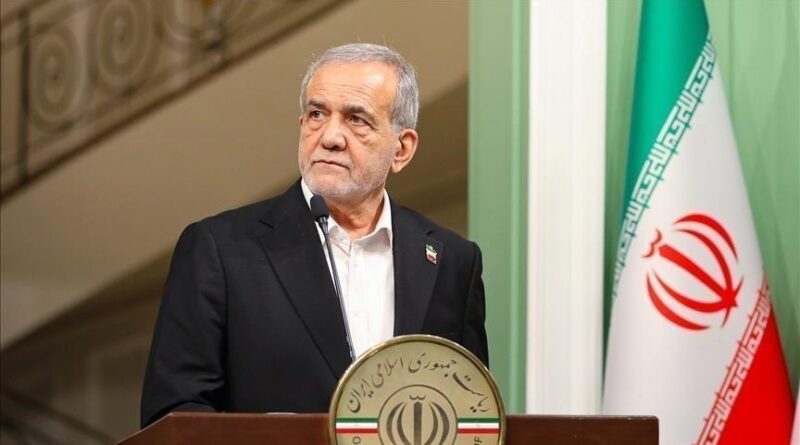
Iranian President Masoud Pezeshkian has warned that the capital city of Tehran could face severe water shortages and might even need to be evacuated if rainfall does not arrive soon, as Iran confronts worsening environmental and economic challenges.
Pezeshkian Raises Alarm Over Severe Tehran Water Crisis
Speaking during a visit to Sanandaj in western Iran on Thursday, Pezeshkian said the government is dealing with a combination of economic, environmental, and social crises that are placing increasing pressure on the country.
According to remarks reported by the Daily Itimad newspaper, the president said rising prices and inflation stem from both domestic policy shortcomings and the impact of international sanctions.
“High prices and inflation are the fault of both the parliament and the government. There are efforts underway, but limited financial resources mean projects remain unfinished,” Pezeshkian said.
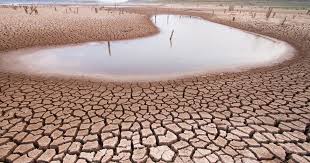
He also highlighted the growing impact of drought and declining rainfall across the country, warning that the water situation in the capital has become increasingly serious.
Drought and Low Rainfall Threaten Tehran Water Supply
“If it doesn’t rain, we will have to start restricting water supplies in Tehran next month. If the drought continues, we will run out of water and be forced to evacuate the city,” he said.
Pezeshkian emphasized the urgent need for improved management and conservation of both water and energy resources, describing the situation in Tehran as “alarming.”
The warning reflects mounting concern over Iran’s prolonged drought and the pressure it has placed on the country’s water infrastructure.
Read Also ; Starmer, Trump Discuss Middle East Crisis in Call
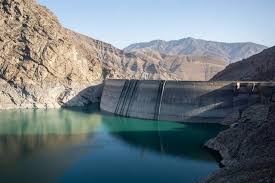
Tehran’s water supply relies primarily on five major dams: Lar Dam, Mamlu Dam, Amir Kabir Dam, Taleqan Dam, and Latyan Dam. Among them, Amir Kabir Dam is the largest reservoir serving the capital.
However, Iran has experienced a significant drop in rainfall during the past five years. Meteorological data indicate that precipitation levels in Tehran this year are approximately 40 percent below the seasonal average.
Iran Faces Economic, Environmental Crises Amid Water Shortages
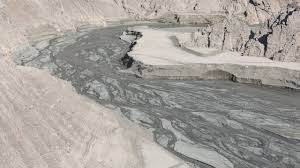
The lack of rainfall, particularly during the spring and summer seasons, has led to a sharp decline in reservoir levels and has affected both surface water and underground groundwater reserves.
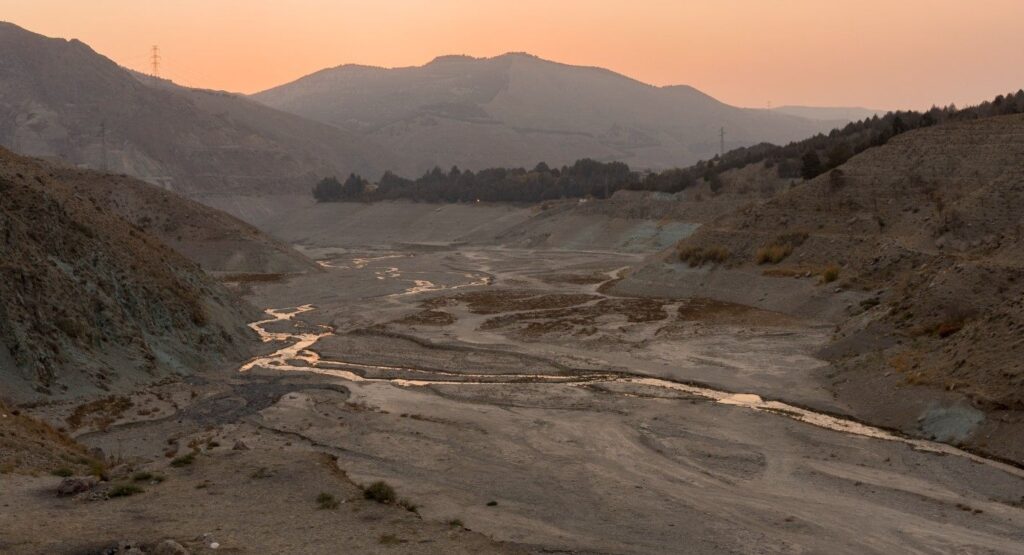
Authorities have warned that the capital’s water reserves are under unprecedented strain.
On July 20, the Tehran Water Authority announced that the reservoirs supplying the city had reached their lowest level in nearly a century as a result of prolonged drought conditions.
The declining water levels have already forced authorities to introduce intermittent water cuts during the summer months in an effort to manage supply.
Earlier, on November 3, Behzad Parsa, head of the Tehran Water Authority, said dam reserves could supply the capital for only two more weeks if dry conditions continued.
The remarks highlighted the severity of the water shortage and the potential consequences if rainfall fails to replenish reservoirs.
Tehran’s water supply relies primarily on five major dams
Pezeshkian had previously raised concerns about the situation during a statement issued on July 23, warning that if the crisis continued at its current pace without effective intervention, it could soon become impossible to provide adequate water supplies to the public.
The president’s latest comments underscore the urgency of addressing Iran’s growing water crisis as prolonged drought and declining rainfall threaten the sustainability of essential resources for millions of residents in the capital.