US President Demands Open Strait of Hormuz for Potential Ceasefire
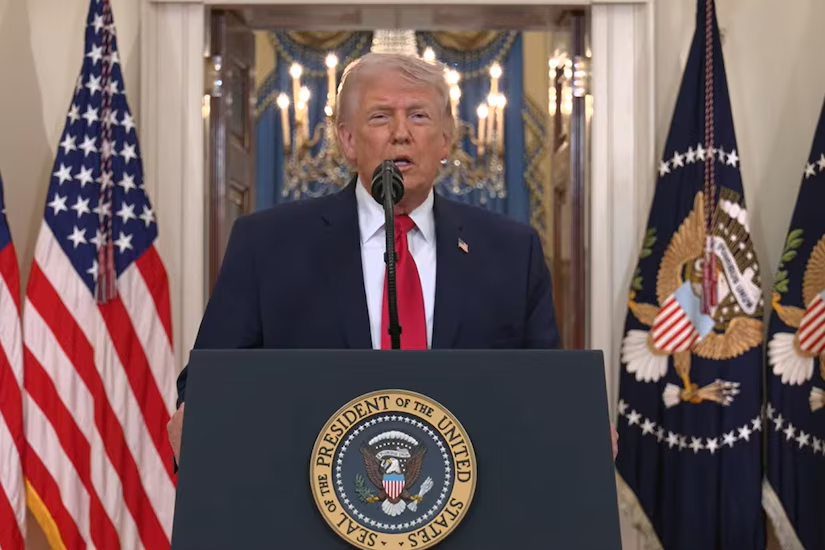
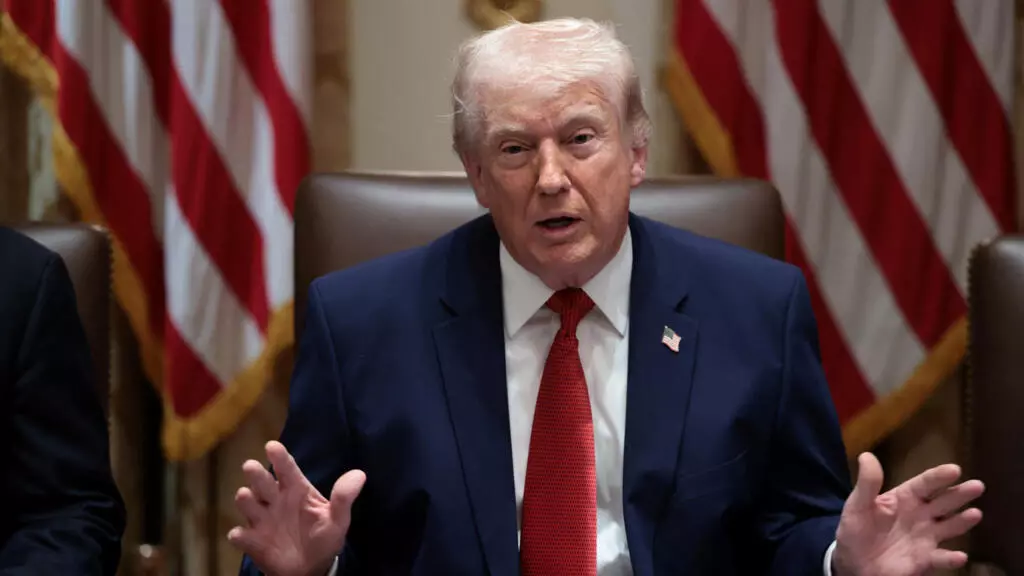
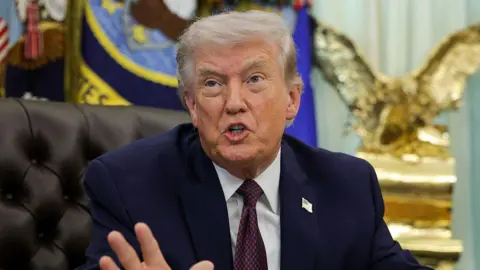
U.S. President Donald Trump has reiterated his commitment to a severe military campaign against Iran, vowing during a national address to return the country to the “Stone Age.” Speaking from the White House on April 1, 2026, the President stated that the United States would hit Iranian targets “extremely hard” over the next two to three weeks to ensure the regime can no longer project power or threaten regional stability. Trump asserted that the primary objective is to permanently disable Tehran’s ability to develop nuclear weapons and protect American allies in the Middle East from further harm.
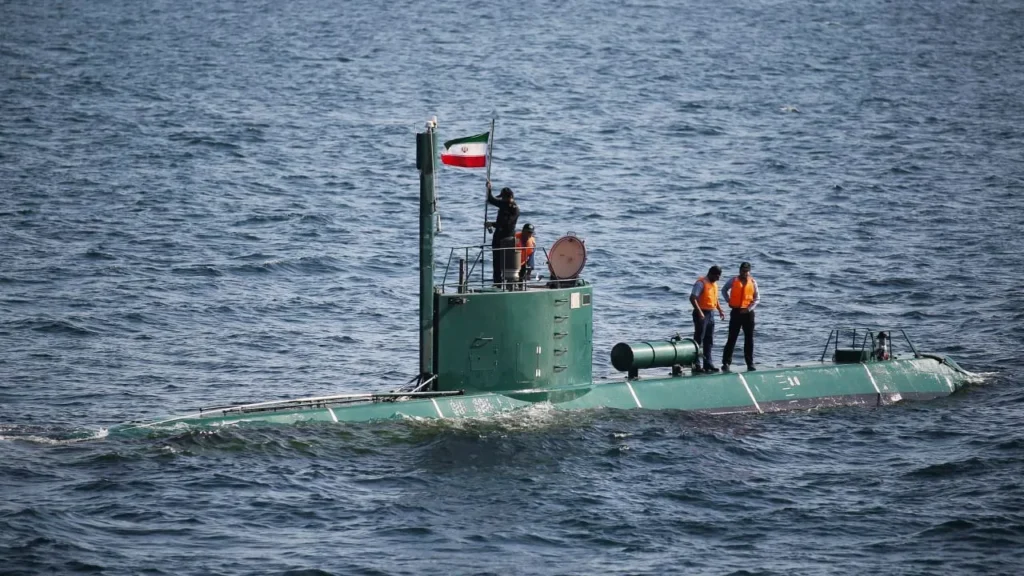
During his address, Trump claimed that the month-long “Operation Epic Fury” has already yielded massive strategic successes. He informed the American public that Iran’s missile and drone capabilities have been significantly weakened, asserting that the Iranian navy is “gone” and its air force has been “absolutely destroyed.” According to the President, the Islamic Revolutionary Guard Corps (IRGC) is currently facing a total collapse of its command-and-control structure as the U.S. military systematically dismantles the regime’s defense industrial base, including rocket launchers and specialized weapons factories.
Trump Demands Freedom of Navigation in the Strait of Hormuz
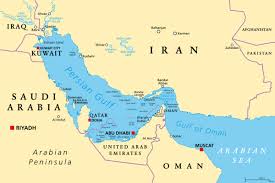
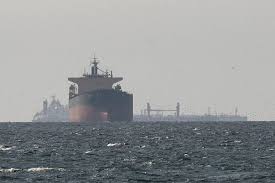
President Trump further emphasized that a cessation of hostilities is contingent upon the total reopening of the Strait of Hormuz. He challenged international allies and regional partners to take responsibility for the security of this vital maritime artery, which has been a focal point of the conflict. Trump signaled that while he is open to ending the war within three weeks if Iran is proven incapable of producing nuclear weapons, the pressure on Iranian energy centers and infrastructure will only increase if the waterway remains obstructed or unsafe for global commercial shipping.
Reports indicate that behind-the-scenes diplomatic maneuvering is intensifying, with rumors of a potential ceasefire deal circulating in international media. Indian and Israeli outlets have reported a recent high-level telephone conversation between President Trump and Saudi Crown Prince Mohammed bin Salman regarding a negotiated end to the conflict. Trump later posted on social media that the Iranian leadership “wants a ceasefire,” but he remains adamant that such an agreement will only be signed if the Strait of Hormuz is rendered “completely open and secure” for the international community.
China and Pakistan Introduce Five-Point Regional Peace Initiative
In response to the escalating violence, China and Pakistan have jointly proposed a five-point peace initiative. This diplomatic framework calls for an immediate cessation of hostilities, the protection of critical infrastructure, and the restoration of normal passage through the Strait of Hormuz. The proposal, unveiled following talks in Beijing, stresses that dialogue is the only viable path forward and urges both Washington and Tehran to adhere to international humanitarian law. This initiative reflects growing global concern over energy security and the potential for a total regional meltdown.
Despite these diplomatic overtures, the Iranian Ministry of Foreign Affairs has dismissed Trump’s claims of military success as “false and baseless.” Foreign Minister Abbas Araghchi stated that the level of trust between Tehran and Washington currently stands at “zero,” rejecting any negotiations conducted under the pressure of threats or deadlines. Araghchi clarified that Iran has not responded to U.S. proposals and will not retreat from its right to self-defense, even as U.S. Vice President JD Vance continues to reach out to third-party mediators to secure a rapid resolution.
British Government Convenes 35 Nations to Address Maritime Security
Adding to the international pressure, the United Kingdom has announced plans to host an emergency summit of 35 countries to discuss the restoration of freedom of navigation in the Gulf. Prime Minister Keir Starmer indicated that British military planners would coordinate with international partners to ensure the Strait of Hormuz remains accessible once active fighting concludes. As the conflict enters its second month, the global community remains divided between those supporting the U.S.-led military campaign and those pushing for an immediate, unconditional ceasefire to prevent further humanitarian and economic catastrophe.
read more ; Iran Warns United States of Devastating Military Escalation
The U.S. administration remains steadfast in its position, with Vice President Vance warning that failure to reach a deal quickly will result in increased kinetic pressure on Iran’s core infrastructure. While Washington claims its “strategic objectives are nearing completion,” the defiant stance from Tehran suggests that a peaceful resolution remains elusive. With energy prices fluctuating and global shipping lanes at risk, the next few weeks of Operation Epic Fury are expected to determine the long-term geopolitical landscape of the Middle East and the future of Iranian sovereignty.