Italy Summons Russian Ambassador Over Offensive Television Broadcast Targeting Meloni
Italy Expresses Formal Protest Following Russian Television Incident
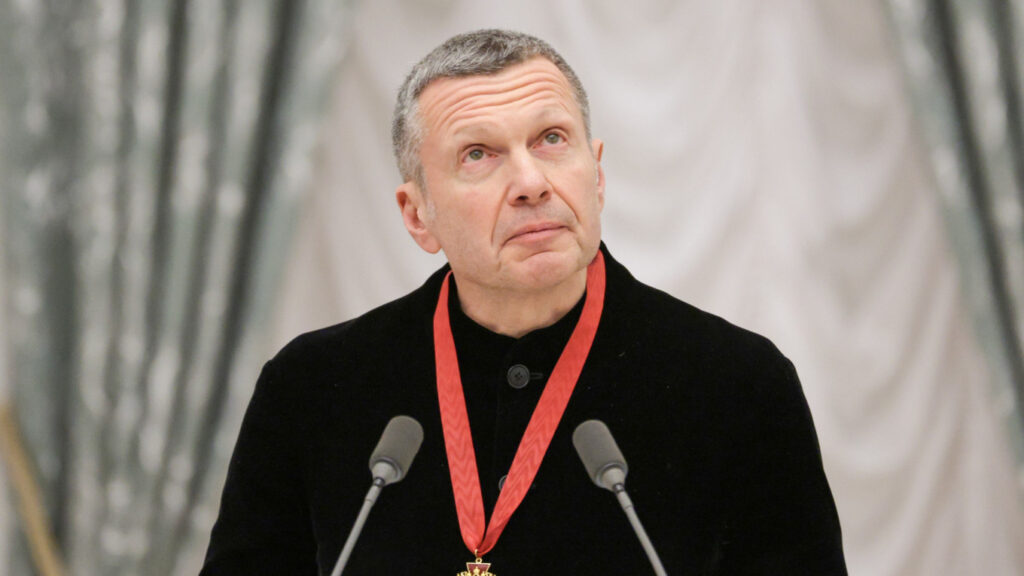
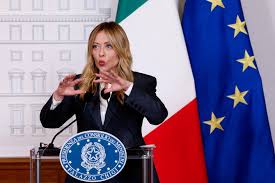
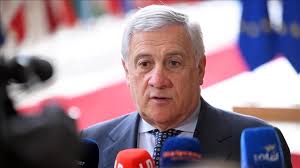
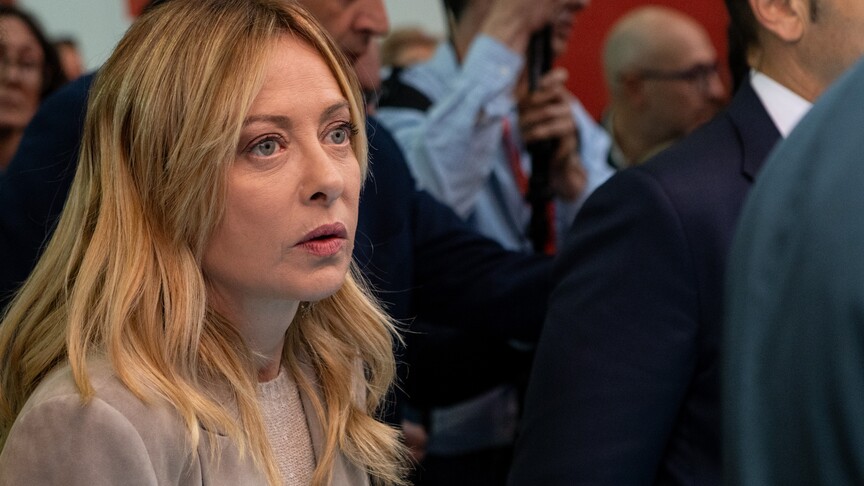
Italy has officially summoned the Russian ambassador to the Ministry of Foreign Affairs following a series of highly offensive remarks directed at Prime Minister Giorgia Meloni by a pro-Kremlin television host. Foreign Minister Antonio Tajani announced the diplomatic maneuver on Tuesday, stating that the formal protest was a direct response to “extremely serious and offensive statements” made by Vladimir Solovyev. The incident marks a sharp escalation in diplomatic friction between Rome and Moscow, as the Italian government seeks to protect the dignity of its leadership from foreign state-sponsored media attacks.
Pro-Kremlin Host Targets Prime Minister with Derogatory Italian Slurs
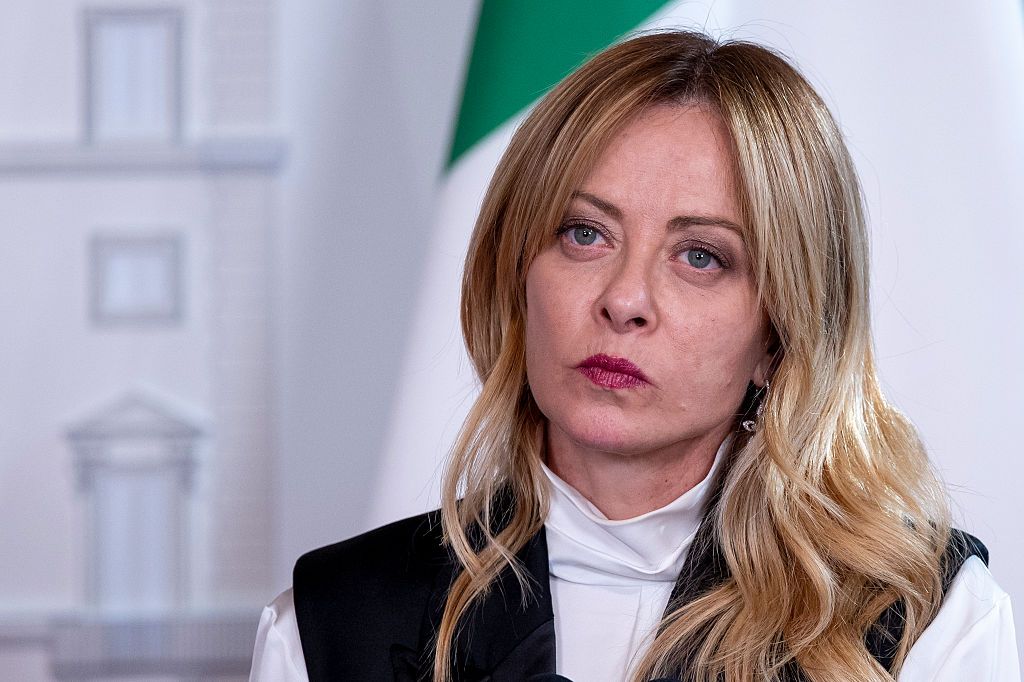
The diplomatic crisis was triggered by a one-minute segment on Russian state television, during which host Vladimir Solovyev used Italian profanities to describe Prime Minister Meloni. Solovyev characterized the Italian leader as a “certified idiot” and “fascist scum,” according to translated broadcasts. He further alleged that Meloni had “betrayed” her electorate by campaigning on populist slogans while ultimately aligning her administration with Western defense priorities. The broadcast also included claims that Meloni had abandoned her previous allegiances to U.S. President Donald Trump in favor of current transatlantic policies.
Meloni Reaffirms Ukraine Support as Strategic and Moral Necessity
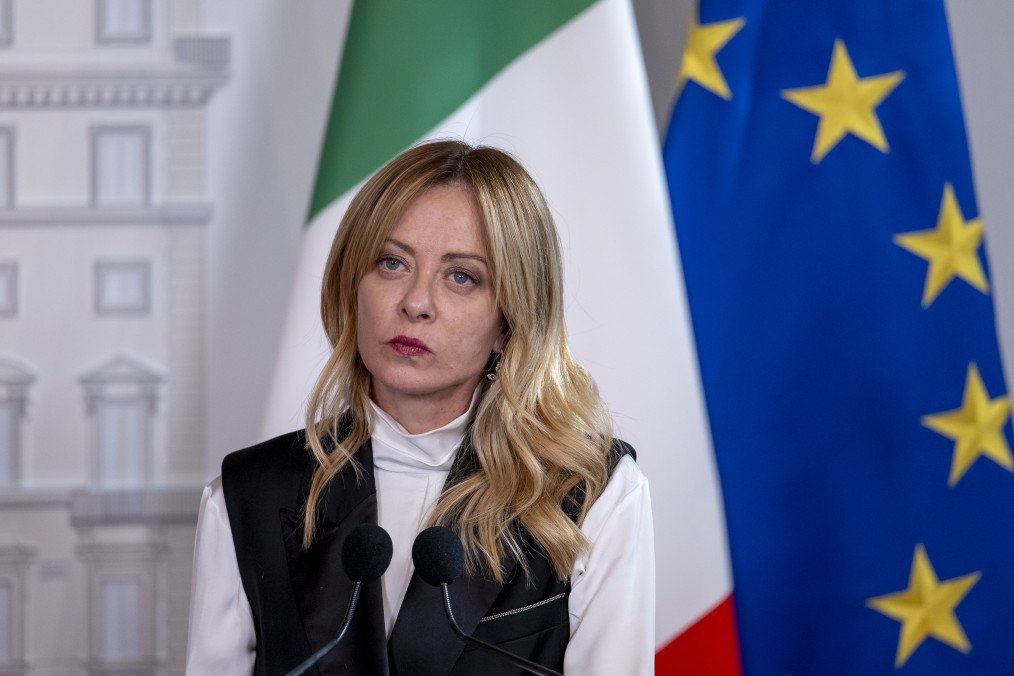
Despite the verbal hostility from Moscow, Prime Minister Giorgia Meloni has maintained a steadfast position regarding Italy’s military and civilian assistance to Ukraine. Speaking during a recent visit by Ukrainian President Volodymyr Zelenskyy, Meloni emphasized that supporting Kyiv is both a “moral duty” and a “strategic necessity.” Italy has remained a key European partner in providing defensive aid since the Russian invasion began. Meloni also confirmed that Italy is actively pursuing joint drone production initiatives with Ukraine to bolster the nation’s defensive capabilities against ongoing Russian military operations.
Internal Coalition Dynamics Complicate Italy’s Stance on Russia
While Meloni leads a right-wing government committed to the Atlantic alliance, her coalition includes the League party, which has historically maintained closer ties with the Kremlin. This internal political complexity has often been highlighted by Russian commentators attempting to drive a wedge between the coalition partners. However, the Prime Minister’s consistent delivery of aid and her recent diplomatic engagements with Ukrainian leadership suggest that Italy’s official foreign policy remains firmly rooted in the Western consensus, despite the historical leanings of some members within her governing alliance.
read also ; Ukraine Requests Turkish Mediation for Zelensky-Putin Peace Summit
Global Reaction to Solovyev’s Influence and State Media Rhetoric
Vladimir Solovyev is widely recognized as a key figure in Russian state media, often reflecting the aggressive rhetoric of the Kremlin’s inner circles. His attacks on European leaders are frequently viewed as part of a broader psychological warfare strategy aimed at undermining European unity. By summoning the Russian ambassador, Italy joins a list of several European nations that have utilized formal diplomatic channels to condemn the vitriol produced by Russian state broadcasters. The Italian Ministry of Foreign Affairs has signaled that such “offensive statements” will not be tolerated as a legitimate form of international discourse.
Tensions in the Mediterranean and Beyond Impact Diplomatic Ties
The diplomatic fallout between Rome and Moscow occurs at a time of broader regional instability, where naval movements and energy security remain top priorities for the Italian government. The verbal assault on Meloni is perceived by Italian officials as an attempt to distract from Italy’s growing influence in European defense planning. As Italy continues to modernize its military infrastructure and strengthen its partnerships within NATO, the government in Rome has indicated that it will remain resilient against external pressure and continues to prioritize the sovereignty and territorial integrity of its allies.