UN Chief Warns Iran War Pushes Millions Into Poverty
UN Predicts Massive Surge in Global Poverty Levels
United Nations development chief Alexander De Croo announced on Thursday that more than 30 million people are expected to fall into poverty due to the cascading impacts of the Iran war. Speaking to media , the Administrator of the United Nations Development Programme explained that the conflict has caused severe disruptions to fuel and fertilizer supplies at a critical juncture for global agriculture. These disruptions are occurring just as farmers are attempting to plant crops, leading to an immediate and irreversible decline in global economic stability for the world’s most vulnerable populations.
Fertilizer Shortages Cripple International Agricultural Productivity
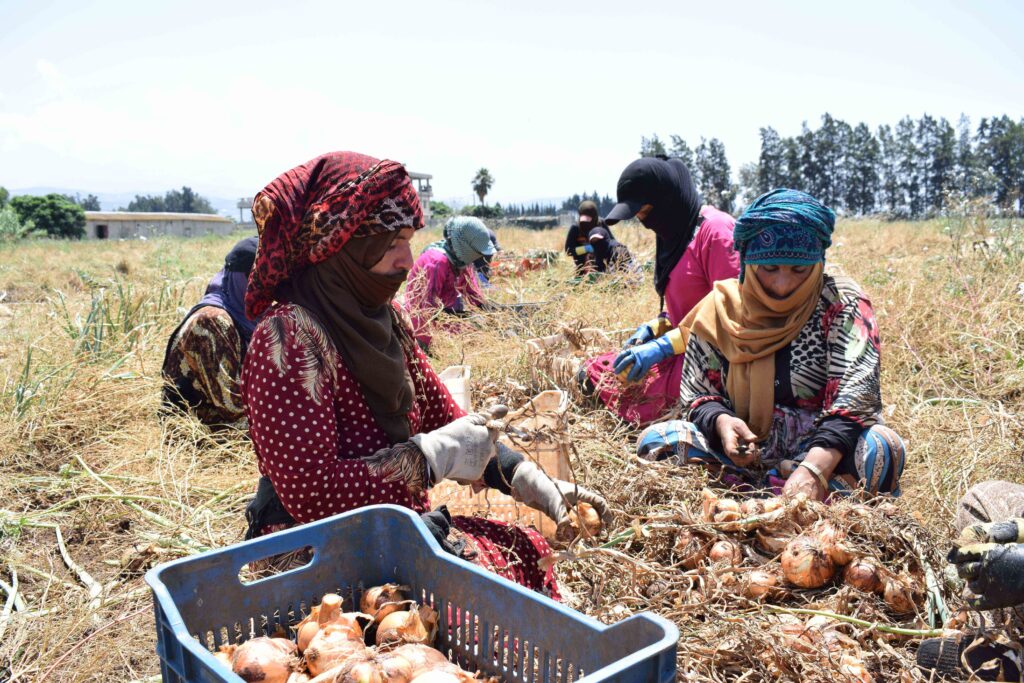
The shortage of fertilizers has been significantly worsened by the blocking of cargo vessels attempting to transit through the Strait of Hormuz. De Croo, who previously served as the Prime Minister of Belgium, noted that these maritime disruptions have already lowered agricultural productivity on a global scale. Because one-third of the world’s global fertilizer supply passes through this specific waterway, the ongoing struggle for control between Iran and the United States has direct consequences for food production in regions far removed from the immediate conflict zone.
Looming Food Insecurity Reaches Irreversible Peak Levels
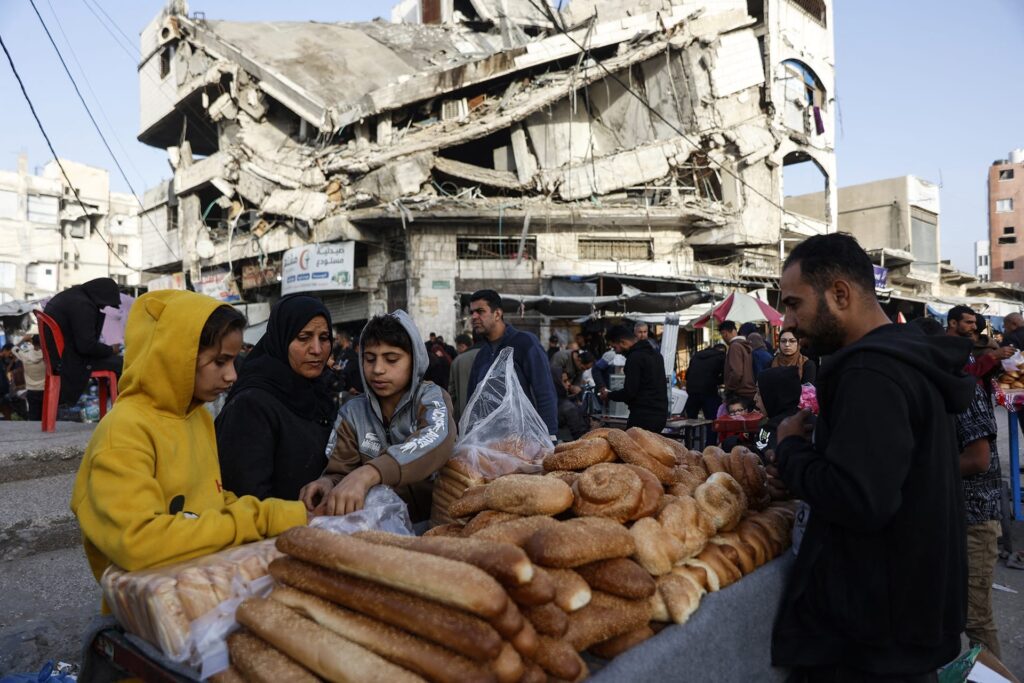
According to the UNDP Administrator, food insecurity is projected to reach its peak level within a few months, regardless of any potential changes in the military situation. De Croo emphasized that the damage to this year’s crop yields is already embedded in the agricultural cycle. Even if the war were to conclude immediately, the fallout—including energy shortages and a significant drop in remittances—would continue to manifest. He warned that there is very little that can be done at this stage to mitigate the upcoming domestic and international food shortages.
read also ; Pakistan and Turkiye Reaffirm Diplomatic Commitment to Regional Peace
Global GDP Declines Amid Sustained Regional Conflict
The economic knock-on effects of the Middle East crisis have already resulted in an estimated loss of 0.5 percent to 0.8 percent of global GDP. De Croo remarked that infrastructure and economic progress that took decades to establish can be destroyed in as little as eight weeks of active warfare. This assessment follows similar warnings from the World Bank, the International Monetary Fund, and the UN World Food Programme, all of which have stated that the war will continue to drive up food prices and place an unbearable burden on developing nations.
Humanitarian Organizations Face Unprecedented Funding Shortages
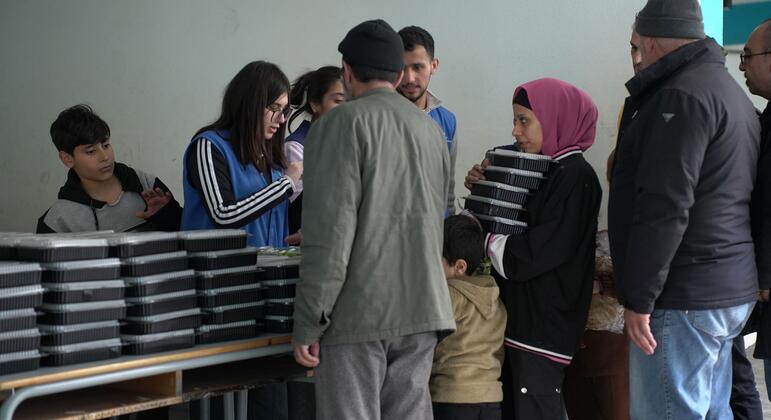
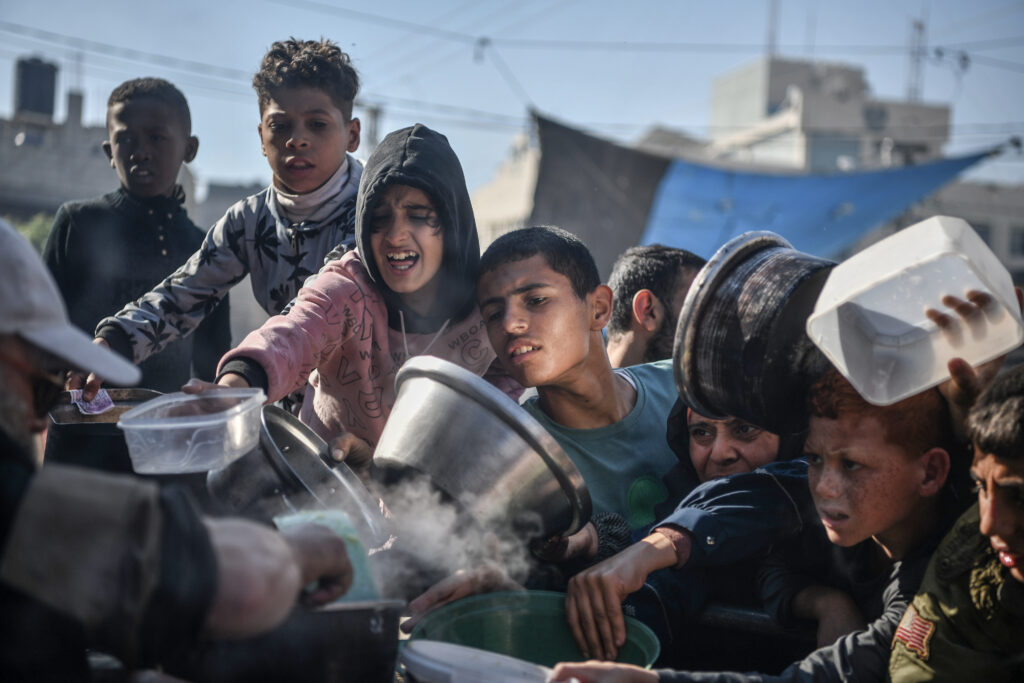
The crisis is currently straining the limits of international humanitarian efforts as global needs rise and available funding shrinks. De Croo pointed out that severe emergencies in Sudan, Gaza, and Ukraine are being further complicated by the redirection of resources and the increased cost of aid. The United Nations is facing a reality where it may have to inform vulnerable populations that help is no longer available. This lack of support is expected to push individuals who rely on external aid for survival into even deeper states of vulnerability.
Strategic Control of Hormuz Impacts Global Markets
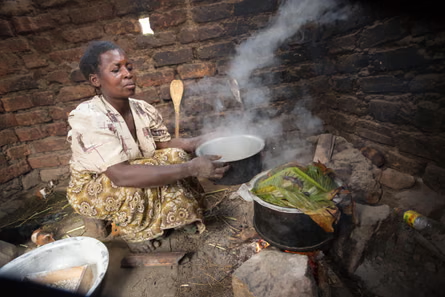
The Strait of Hormuz remains the primary flashpoint for these global disruptions, as a significant portion of the world’s fertilizer is produced in the Middle East. With Iran and the United States currently jostling for control over this narrow passage, the flow of essential agricultural chemicals has become inconsistent. De Croo’s report highlights that the weaponization or incidental blockage of these trade routes creates a domino effect that impacts global market prices, international shipping insurance, and the physical availability of food in markets across the globe.