Pentagon Assessment Predicts Six Months to Clear Hormuz Mines
Pentagon Warns of Long-Term Obstruction in Hormuz
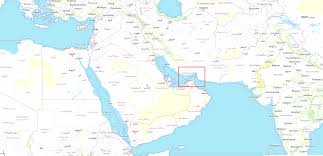
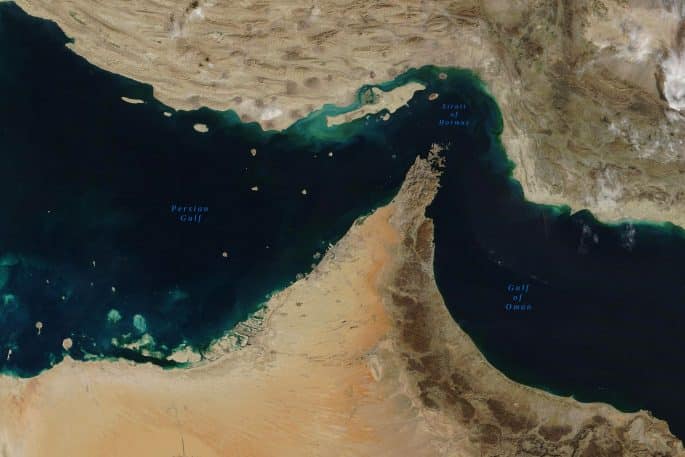
A Pentagon assessment recently shared with the House Armed Services Committee indicates that completely clearing the Strait of Hormuz of naval mines could take at least six months. This timeline suggests that even if active hostilities between the United States, Israel, and Iran were to cease immediately, the global economy would continue to suffer from restricted maritime access. The Washington Post reported on Wednesday that the strategic waterway, which typically facilitates the transit of one-fifth of the world’s oil and gas, remains a primary bottleneck for international trade due to these sophisticated underwater threats.
Sophisticated Iranian Mine Technology Hinders Clearance Efforts
During classified briefings, lawmakers were informed that Iran’s Revolutionary Guard may have deployed 20 or more advanced naval mines throughout the strait. These devices reportedly utilize remote GPS technology, allowing them to be floated into position with high precision, making them significantly harder for traditional minesweepers to detect and neutralize. The technical complexity of these weapons, combined with the sheer volume of the deployment, underpins the Pentagon’s cautious six-month recovery estimate. Despite these reports, Pentagon spokesman Sean Parnell has characterized the leaked information as inaccurate, though the Department of Defense has not provided an alternative timeline.
Revolutionary Guards Declare Massive Maritime Danger Zone
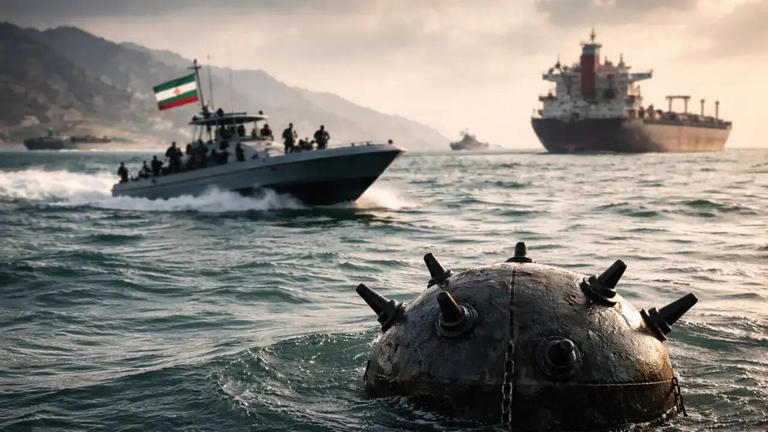
Iran’s Revolutionary Guards have issued formal warnings regarding a “danger zone” spanning 1,400 square kilometers within and around the strait. This area, approximately 14 times the physical size of Paris, is purportedly saturated with mines designed to deter military and commercial transit. Furthermore, the speaker of Iran’s parliament has explicitly stated that the Islamic Republic will not allow the strait to reopen as long as the United States maintains its current naval blockade. This stance ensures that the waterway remains largely inaccessible, even during periods of reduced kinetic activity or temporary ceasefire agreements.
read also ; UN Chief Warns Iran War Pushes Millions Into Poverty
International Shippers Face Risks Amid Conflicting Claims
Commercial shipping giants, including Hapag-Lloyd, have expressed significant concern over the lack of viable, safe routes through the region. When the strait briefly opened at the beginning of the current ceasefire, only a minimal number of vessels attempted the crossing due to the credible threat of mine strikes or targeted attacks. While the US Navy claimed earlier in April that its assets had entered the waterway to begin mine removal operations, these claims were sharply denied by the Revolutionary Guard. Iranian officials responded with threats of military action against any foreign naval vessels attempting to enter the channel without prior authorization.
London Hosts Multinational Maritime Security Summit
In response to the prolonged closure of the strait, military planners from over 30 countries convened in London on Wednesday to discuss a coordinated multinational mission. Led by the United Kingdom and France, this “defensive” coalition is focused on establishing a framework to protect international navigation once the current conflict ends. The primary objectives of the summit include finalizing plans for large-scale mine clearance operations and ensuring the long-term stability of the Strait of Hormuz. These talks represent a significant diplomatic effort to decouple global energy security from the immediate tactical outcomes of the US-Iran war.
Economic Fallout Linked to Persistent Naval Blockades
The dual pressure of the Iranian minefields and the US-led naval blockade has resulted in a sharp and sustained increase in global oil and gas prices. Economic analysts point out that the inability of tankers to safely navigate the strait has disrupted supply chains and increased insurance premiums for maritime transport. As long as the blockade and the mine threat persist, the assessment suggests that energy costs will remain high, placing a continuous strain on the global economy. The stalemate reflects a broader geopolitical struggle where the control of a 1,400-square-kilometer zone has direct financial consequences for nations worldwide.