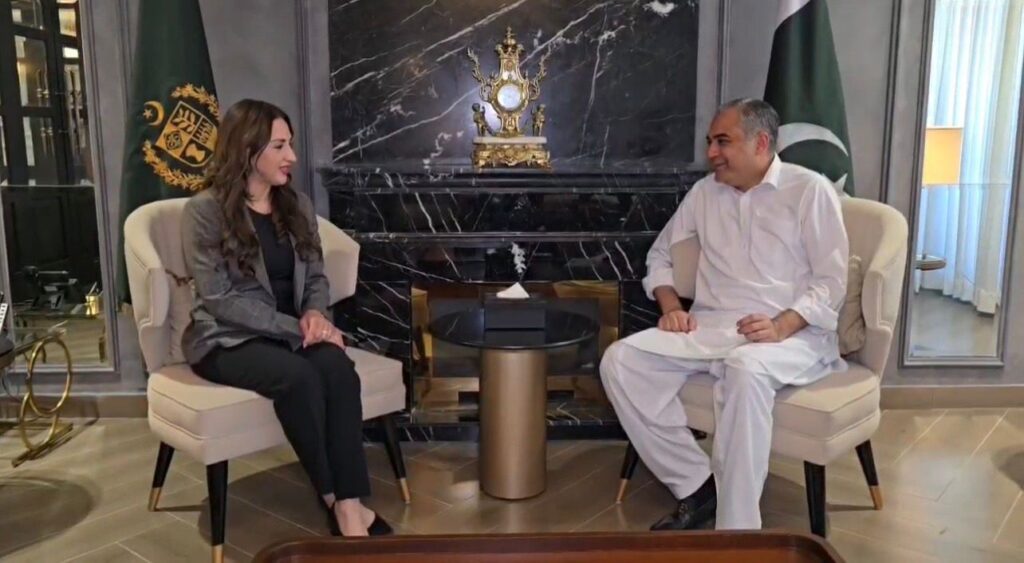
Interior Minister Mohsin Naqvi and U.S. Ambassador Discuss Regional Stability
High-Level Security Meeting Targets Regional Conflict Resolution
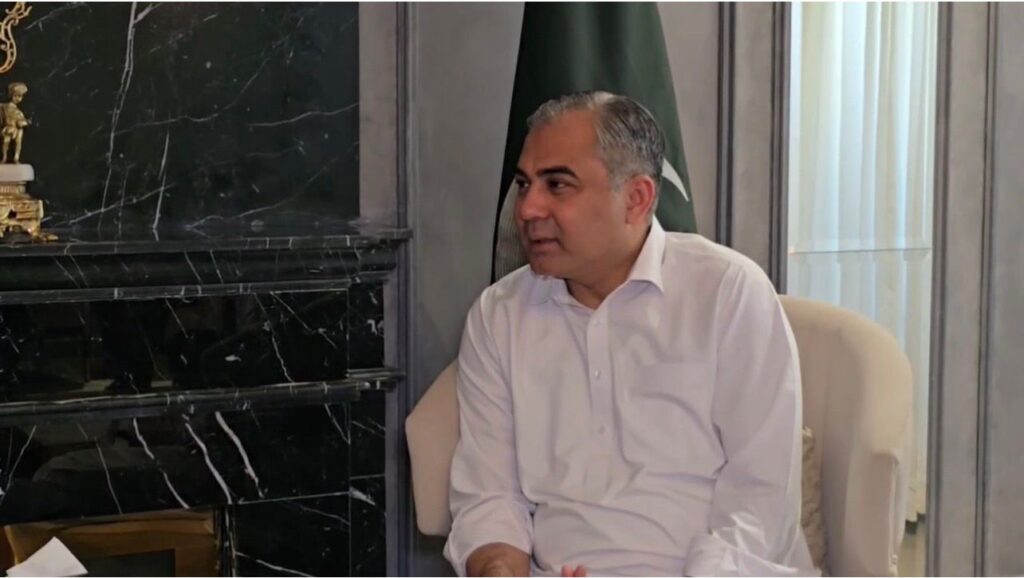
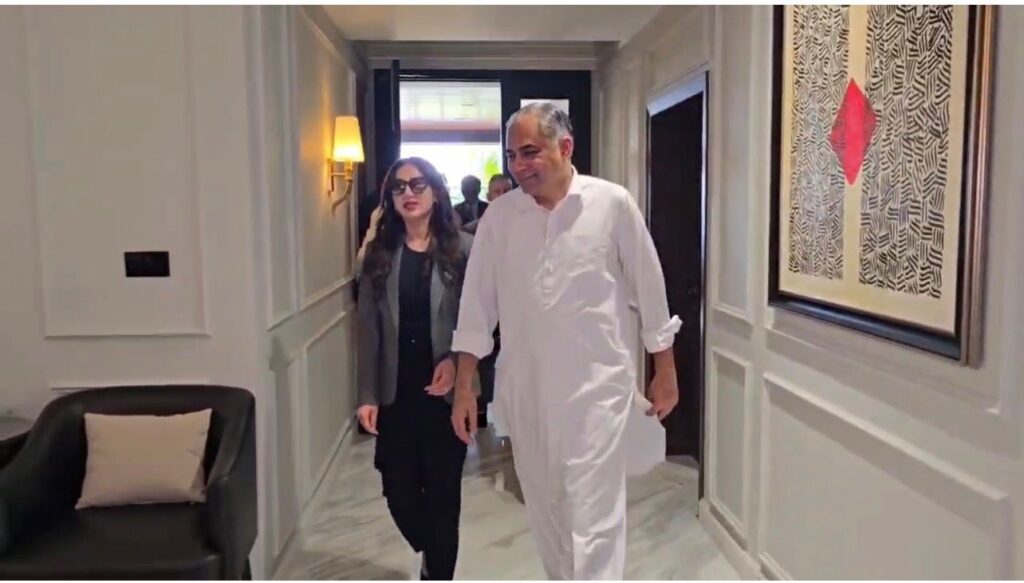
Federal Interior Minister Mohsin Naqvi hosted U.S. Ambassador Natalie Baker on Thursday for a comprehensive review of the current regional security situation. The meeting focused primarily on the ongoing efforts to stabilize the Middle East and the specific diplomatic channels being utilized to bridge the gap between conflicting parties. Both officials emphasized that maintaining open lines of communication is essential for preventing further military escalation. This meeting follows a series of high-stakes diplomatic engagements in Islamabad, as the city increasingly serves as a primary hub for international mediation efforts between global powers and regional actors.
Pakistan Commends President Trump’s Ceasefire Extension Initiative

During the session, Interior Minister Mohsin Naqvi explicitly praised the initiative taken by U.S. President Donald Trump to extend the current ceasefire. Naqvi stated that the extension is a “welcome move” and represents a critical milestone in the path toward reducing immediate hostilities. He noted that the temporary cessation of kinetic activities provides the necessary breathing room for diplomats to negotiate more durable agreements. The Pakistani government has consistently advocated for a halt to military operations to allow for humanitarian aid and the restoration of essential maritime trade routes currently under threat.
Preparation for the Second Round of Islamabad Talks
A major portion of the dialogue was dedicated to the planning of the second round of the “Islamabad Talks.” These negotiations are designed to bring together key stakeholders to discuss the technical and political aspects of a lasting peace agreement. Minister Naqvi and Ambassador Baker discussed the importance of ensuring that all relevant parties are represented and that the framework for the talks remains focused on a sustainable resolution. The Interior Minister expressed his hope that this upcoming round of diplomacy would build upon the progress made in previous sessions to secure the region’s long-term stability.
Call for Reciprocal Diplomatic Progress from Iranian Leadership
Minister Naqvi utilized the platform to express his expectations for positive momentum from Tehran. He emphasized that for the ceasefire extension and the Islamabad Talks to be successful, there must be a reciprocal commitment to peace from Iran. By encouraging a balanced diplomatic approach, the Interior Minister highlighted Pakistan’s role as an impartial facilitator seeking to ensure that all parties give diplomacy a “fair chance.” The call for progress from Iran is seen as a vital component of Pakistan’s broader strategy to prevent the conflict from relapsing into active warfare.
read also ; Pentagon Assessment Predicts Six Months to Clear Hormuz Mines
Civil-Military Synergy in Pakistan’s Peace Diplomacy
The Interior Minister reaffirmed that the highest levels of Pakistan’s leadership, including Prime Minister Shehbaz Sharif and Field Marshal General Asim Munir, are fully committed to resolving the regional crisis. Naqvi pointed out that the civil and military leadership are working in unison to leverage Pakistan’s strategic relationships for the benefit of international peace. This integrated approach is intended to demonstrate a unified national stance on the importance of regional security, particularly as Pakistan navigates the complex dynamics of the U.S.-Iran-Israel military standoff and its associated economic impacts.
U.S. Ambassador Recognizes Pakistan’s Constructive Global Role
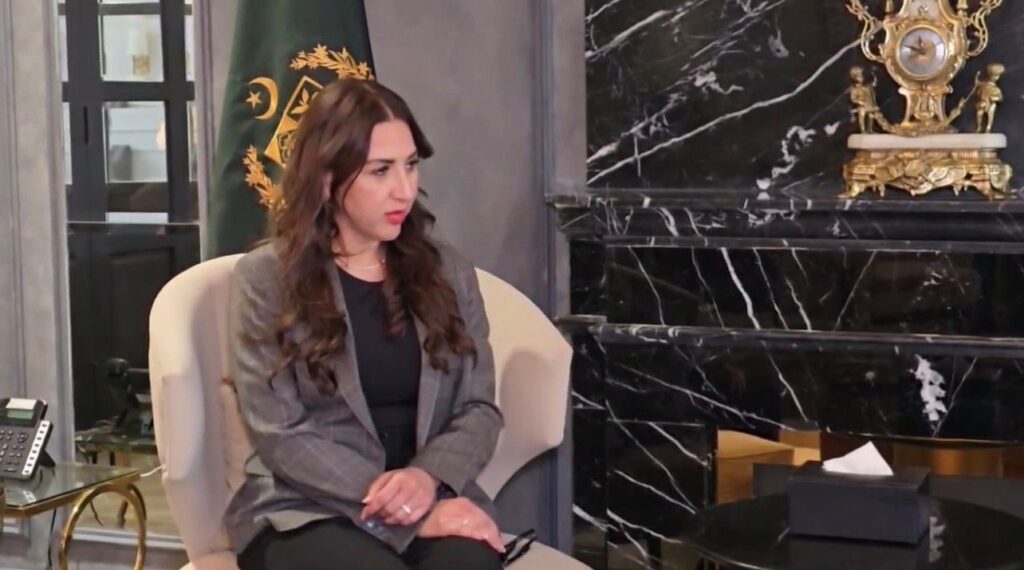
U.S. Ambassador Natalie Baker concluded the meeting by formally appreciating Pakistan’s “constructive role” in maintaining regional peace. She acknowledged that Islamabad’s mediation efforts have been instrumental in managing the conflict and facilitating dialogue where other channels may have stalled. The Ambassador’s remarks underscore the strengthening of U.S.-Pakistan diplomatic cooperation in the face of global instability. Both parties agreed to continue their close collaboration to ensure that the momentum gained from the ceasefire extension translates into a permanent and peaceful resolution for the international community.