Pakistan Rejects Indian Propaganda Regarding 2025 Pahalgam Incident
Report By: Naeem Mehboob
Pakistan Rebuts Indian Allegations Following Pahalgam Anniversary
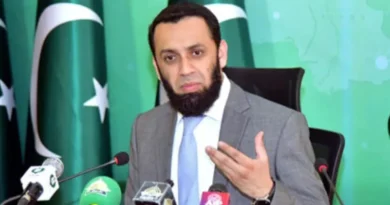
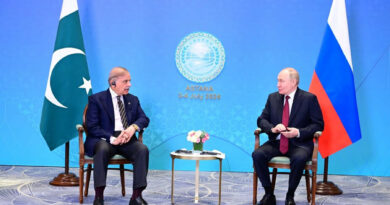
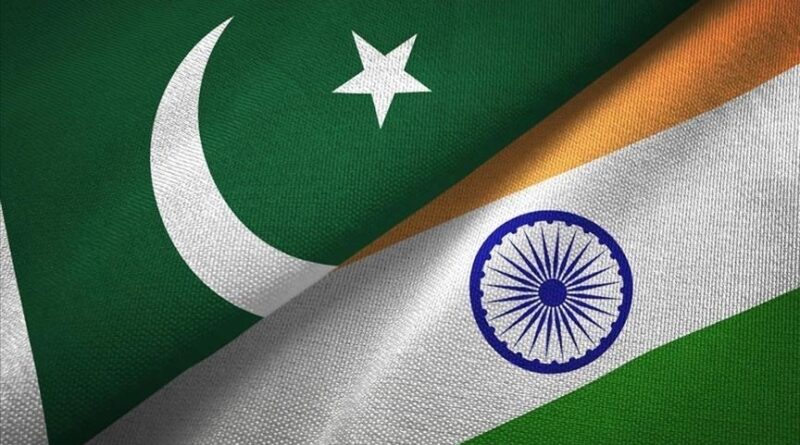
The Ministry of Foreign Affairs (MOFA) officially rejected India’s latest round of allegations linking Pakistan to the Pahalgam incident, which occurred exactly one year ago. In a press release issued by the Office of the Spokesperson on April 23, 2026, Islamabad characterized the claims as “deplorable” and “baseless propaganda.” The ministry emphasized that while Pakistan is actively engaged with international partners to secure regional peace, India continues to utilize false narratives to malign its neighbor. This diplomatic friction coincides with the one-year mark of the April 2025 attack, which India has consistently used as a pretext for its aggressive regional stance.
India Accused of Weaponizing Narratives for Political Gain

The Pakistani spokesperson noted that India’s focus remains on weaponizing a false narrative for narrow domestic political advantages rather than addressing regional stability. The ministry stated that these allegations are a calculated attempt by New Delhi to create a “smokescreen” for its own sponsorship of regional terrorism. By maintaining this high-pressure rhetorical environment, India is accused of trying to shore up domestic support while avoiding international scrutiny. Islamabad maintains that these tactical maneuvers are a recurring feature of India’s foreign policy playbook whenever the government faces internal or external pressure.
Reference to Operation Bunyan-um-Marsoos and Military Standoff
The MOFA statement explicitly referenced “Operation Bunyan-um-Marsoos,” which was launched by Pakistan in May 2025 as a direct response to Indian military adventurism. Following India’s “Operation Sindoor”—which involved missile strikes on several Pakistani cities—Pakistan conducted a major retaliatory campaign that reportedly targeted key Indian military installations and airbases. The spokesperson described the operation as a “befitting reply” to India’s misplaced aggression. By citing this specific military encounter, Islamabad reminded the international community of its capability and willingness to defend its sovereignty against unilateral strikes.
Condemnation of the Indus Waters Treaty Suspension
A central grievance in the new communique is India’s “illegal unilateral action” to hold the Indus Waters Treaty in abeyance. Pakistan contends that the suspension of this decades-old water-sharing agreement is a clear violation of international law and a direct threat to the lives of millions. By weaponizing transboundary water resources, India is accused of undermining the legal frameworks that have historically prevented full-scale conflict in South Asia. Islamabad argues that water should not be used as a tool of political or military coercion, especially in a region already grappling with significant environmental and economic challenges.
read also ; Tehran Collects First Revenue From Strategic Hormuz Shipping Tolls
Focus on Jammu and Kashmir and Human Rights
The Foreign Ministry reiterated that no amount of propaganda can distract from the ongoing situation in Indian Illegally Occupied Jammu & Kashmir (IIOJK). The statement condemned India’s continued occupation and its denial of the Kashmiri people’s right to self-determination, which is guaranteed under relevant United Nations Security Council resolutions. Pakistan highlighted that India’s aggressive military posturing and inflammatory rhetoric serve as a primary obstacle to a peaceful resolution of the Kashmir dispute. The spokesperson urged the world to look beyond the “gimmicks” and address the systemic human rights concerns within the occupied territory.
Appeal to the International Community for Intervention
In its conclusion, the Ministry of Foreign Affairs called upon the international community to demand “responsible conduct” from the Indian government. Islamabad urged global powers to recognize India as a “spoiler” to ongoing peace efforts and to intervene against actions that threaten regional security. The statement emphasizes that Pakistan remains committed to diplomatic resolutions but requires a counterpart that adheres to international legal norms. By issuing this formal rejection, Pakistan aims to galvanize international pressure on New Delhi to refrain from further provocative rhetoric and return to established bilateral treaties and legal obligations.