Russian Oil Flows Resume Through Trans-Ukrainian Druzhba Pipeline
Druzhba Pipeline Restoration Triggers EU Funding Breakthrough
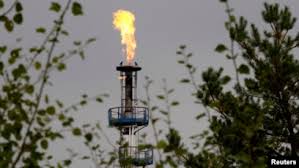
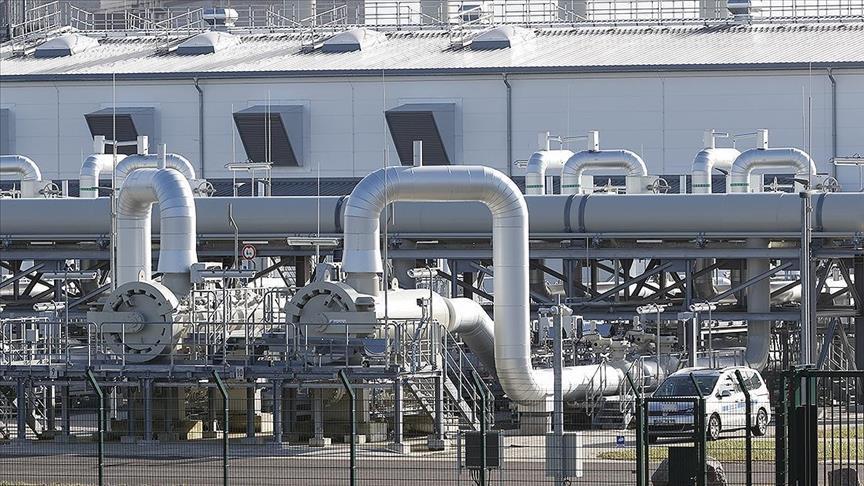
The resumption of Russian oil transit through the Ukrainian segment of the Druzhba pipeline on Wednesday has broken a months-long diplomatic deadlock within the European Union. Officials confirmed that pumping commenced at 0935 GMT, resolving a dispute that had paralyzed critical financial aid for Kyiv. The pipeline had become a central flashpoint in European geopolitics after a drone strike in western Ukraine halted deliveries to Hungary and Slovakia. Following the restart, EU ambassadors meeting in Brussels immediately approved a stalled loan package, signaling a shift in regional cooperation as energy supplies began moving toward Central European refineries.
Hungary Withdraws Opposition to €90 Billion Ukraine Loan
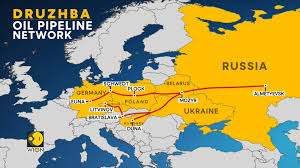
Following the technical restart of the pipeline, the Hungarian government withdrew its veto on a €90 billion EU loan package. This financial assistance, originally agreed upon last year, is intended to ensure Ukraine’s economic liquidity through 2026 and 2027. Previously, Hungarian Prime Minister Viktor Orban and the Slovak government had blocked the disbursement, alleging that Ukraine was intentionally delaying repairs to the damaged infrastructure—a claim consistently denied by Kyiv. The removal of this final hurdle allows the 27-member bloc to move toward a formal signing ceremony scheduled for Thursday afternoon.
MOL Group Anticipates Arrival of Russian Crude Shipments
The Hungarian energy group MOL confirmed on Wednesday that it received official notification from Ukraine regarding the resumption of crude deliveries. In a formal statement, MOL indicated that the first shipments of Russian oil are expected to reach processing facilities in Hungary and Slovakia by Thursday at the latest. The restart is vital for the energy security of both nations, which remain heavily dependent on the Druzhba system for their domestic fuel needs. This logistical recovery marks the end of a period of severe supply uncertainty that had strained relations between Kyiv and its neighboring EU member states.
Political Shifts in Budapest Influence Regional Diplomacy
The prospects for the EU loan improved significantly following Hungary’s parliamentary election on April 12, which saw the defeat of Prime Minister Viktor Orban. Peter Magyar, leader of the winning party, has publicly committed to ending the obstruction of EU funds for Ukraine. Although Magyar is not scheduled to formally take power until next month, his stated policy shift has already influenced the diplomatic atmosphere in Brussels. This political transition, combined with the physical restoration of oil flows, has effectively neutralized the leverage previously used to block international financial support for the Ukrainian government.
read also ; European Union Approves €90 Billion Loan Package for Ukraine
Strategic Capacity of Druzhba System Remains Underutilized
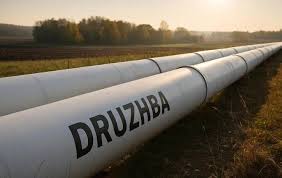
Despite the restart, the Druzhba pipeline continues to operate at a fraction of its historical capacity. While the system is engineered to transport between 1.2 million and 1.4 million barrels of oil per day—with a potential maximum of 2 million—volumes have plummeted due to Western sanctions and repeated kinetic disruptions. The “Friendship” pipeline, once a symbol of energy integration, has seen its strategic value diminished by the ongoing conflict and the increasing frequency of drone attacks on infrastructure. The current restoration serves more as a vital lifeline for specific landlocked refineries than a return to pre-war energy trade levels.
Germany Reports Termination of Kazakh Crude Oil Transit
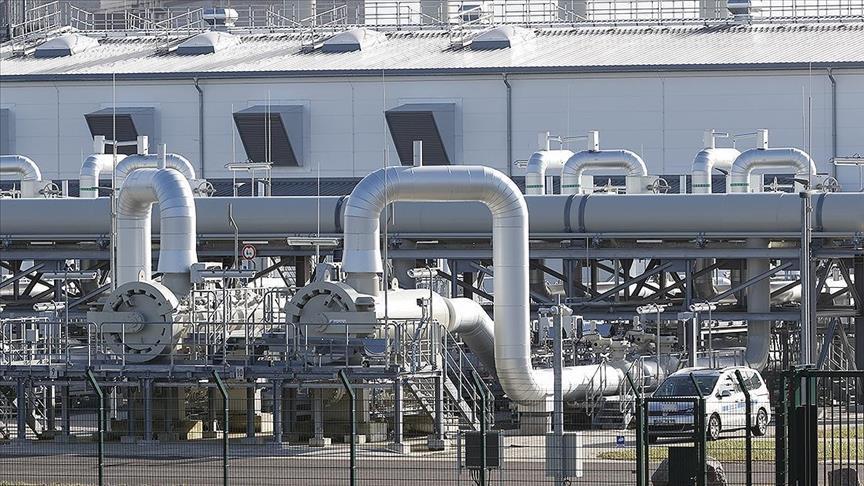
In a separate but related development, Germany has confirmed that its PCK Schwedt refinery will stop receiving Kazakh crude oil via the Druzhba pipeline starting in May. This announcement follows reports that Russia intends to halt Kazakhstan’s oil exports through its territory. The loss of Kazakh crude presents a new challenge for Germany’s energy landscape, as PCK Schwedt is one of the nation’s largest refineries. While the southern branch of the Druzhba system sees a localized de-escalation, the northern branch serving Germany faces new disruptions, further complicating the European Union’s efforts to stabilize its energy supply chains.