European Union Approves €90 Billion Loan Package for Ukraine
EU Authorizes Critical €90 Billion Loan for Ukraine
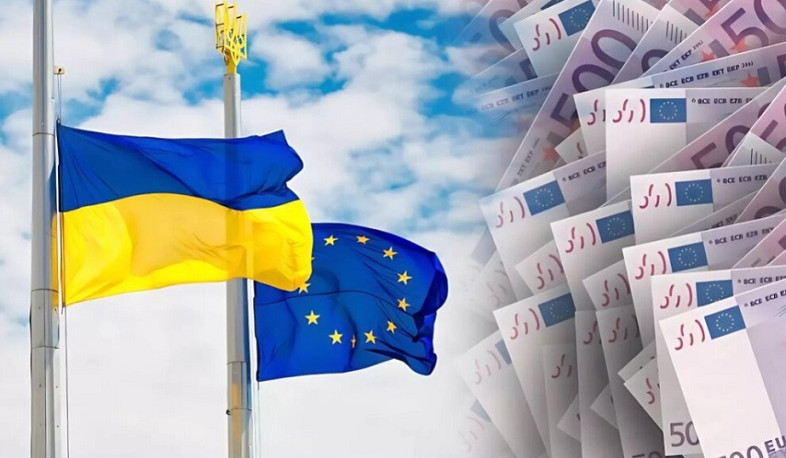
The European Union officially approved a comprehensive €90 billion loan package on Thursday, aimed at stabilizing Ukraine’s economy and military defense through 2028. The Cypriot presidency announced the decision after Hungary and Slovakia ceased their obstructionist efforts. Cypriot Finance Minister Makis Keravnos stated that the Council has approved the final necessary elements to allow the funds to flow, ensuring that Ukraine can address its most pressing budgetary needs. This financial injection is considered vital for maintaining Ukrainian resistance against Russian forces and preventing a total economic collapse in the war-ravaged nation.
Hungary and Slovakia Lift Blockade Following Oil Resumption
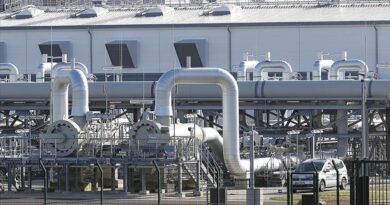
The diplomatic resolution was directly linked to the resumption of Russian oil deliveries through the Druzhba pipeline, which crosses Ukrainian territory. Supplies to Hungary and Slovakia had been suspended since January after the pipeline sustained damage, an incident Ukrainian officials attributed to Russian drone strikes. However, Prime Minister Viktor Orbán and Prime Minister Robert Fico accused Kyiv of intentionally delaying repairs. Following the restoration of the oil flow at 2 a.m. Thursday, both nations dropped their vetoes, allowing the EU to proceed with its broader regional strategy.
New Sanctions Against Russia Cleared After Months of Delay
In tandem with the loan approval, the European Union passed a new raft of sanctions against the Russian Federation. These measures were originally prepared early in the year to coincide with the fourth anniversary of the conflict in February. However, the energy dispute involving Hungary and Slovakia had kept the sanctions package in a state of legislative limbo. With the oil transit issues resolved, the 27-member bloc moved forward with the measures, which target various sectors of the Russian economy to further limit the funding of Vladimir Putin’s ongoing military campaign.
read also ; State Bank Completes $1.43 Billion External Debt Payments
Pipeline Dispute Exposes Deep Rifts in European Energy Policy
The three-month standoff highlighted the ongoing energy dependence of Hungary and Slovakia on Russian resources, even as the rest of the EU seeks to decouple from Moscow. While most European nations oppose Russian oil imports to avoid funding the war, Budapest and Bratislava have maintained that their energy security remains reliant on the Druzhba pipeline. Slovak Prime Minister Robert Fico expressed skepticism regarding the reported physical damage to the pipeline, alleging that the infrastructure and the oil it carries were being used as leverage in a larger “geopolitical battle.”
Shifting Financial Strategies After Asset Collateral Failure
The path to the €90 billion loan was complicated by the failure of an earlier plan to use frozen Russian assets as collateral. That option was blocked by Belgium, where a majority of those assets are held, forcing the EU to pivot toward borrowing on international markets. In December, a tentative agreement allowed the bloc to proceed with this borrowing scheme provided that the Czech Republic, Hungary, and Slovakia were not required to participate directly. However, Prime Minister Orbán’s later decision to renege on this deal during his unsuccessful re-election campaign nearly derailed the entire financial operation.
Diplomatic Breakthrough Coincides with Cyprus Summit
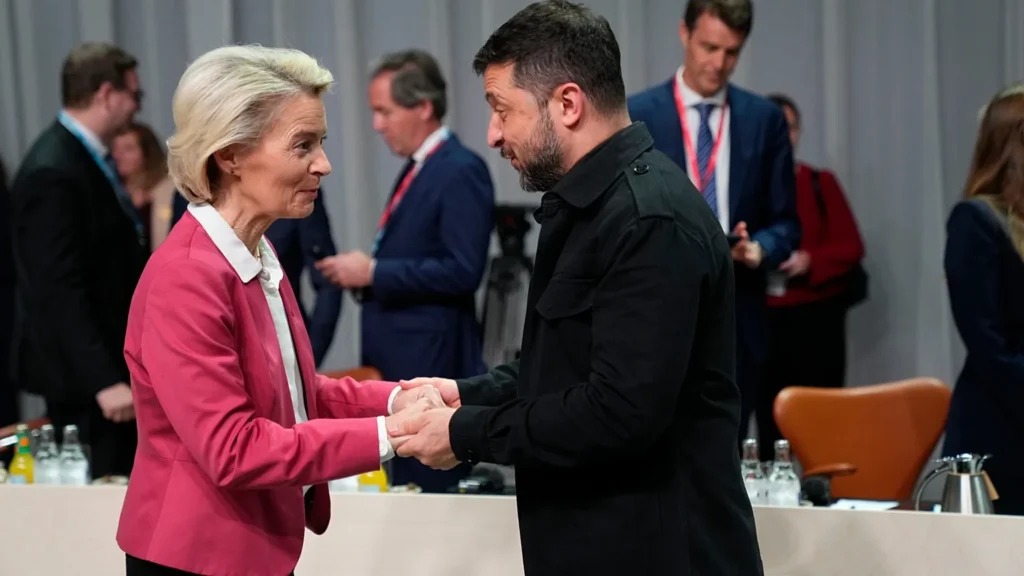
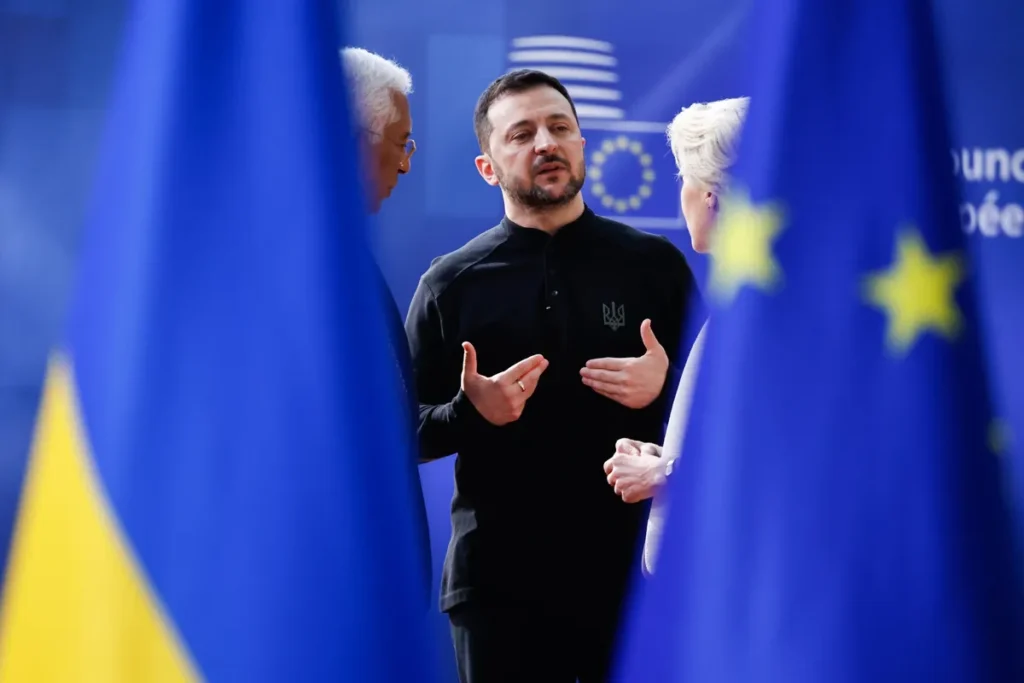
The resolution of these dual issues—the loan package and the sanctions—occurred as EU leaders gathered for a pivotal summit in Cyprus. The timing underscores the urgency felt by European officials to present a unified front as the conflict enters its fifth year. Ukrainian President Volodymyr Zelensky has consistently denied allegations of tampering with energy supplies, and the resumption of the oil flow is expected to reset, at least temporarily, the strained relations between Kyiv and its central European neighbors. The funds are expected to be disbursed in phases to ensure sustained support for Ukraine’s defense infrastructure.