US Extends Ceasefire with Iran Following Diplomatic Intervention by Pakistan
US Extends Ceasefire Following Pakistani Diplomatic Requests
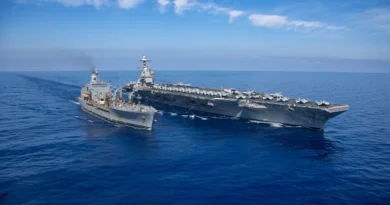
President Donald Trump confirmed on Tuesday that the United States will extend the current ceasefire with Iran, citing a direct request from the Pakistani government. This decision comes as the initial two-week truce was scheduled to expire on Wednesday, amid significant uncertainty regarding a unified proposal from the Islamic Republic. While the ceasefire remains in place, the President clarified via Social Media that the United States military will maintain its strategic blockade of Iranian ports. The extension serves as a temporary reprieve as both nations previously cautioned they were prepared to resume active hostilities should negotiations fail to produce a long-term agreement.
High-Level Diplomatic Negotiations Face Delays in Islamabad
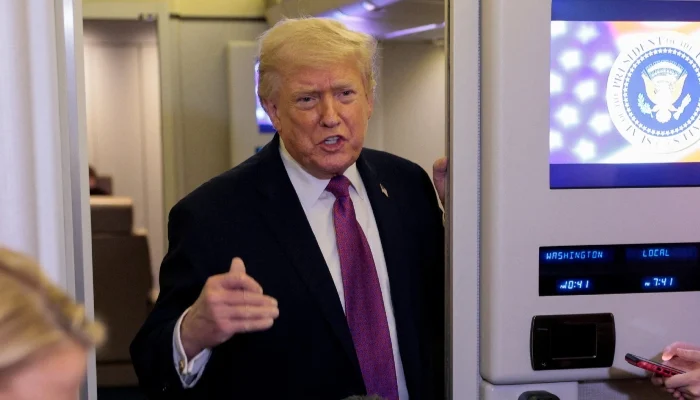
The White House has officially placed a hold on Vice President JD Vance’s planned trip to Islamabad, which was intended to facilitate a second round of high-level talks. The postponement follows indications from Tehran that it is hesitant to engage in further discussions at this stage. Despite the delay, diplomatic efforts remain active behind the scenes. Special envoy Steve Witkoff and Jared Kushner returned to Washington on Tuesday afternoon for internal consultations. U.S. officials, speaking on the condition of anonymity, noted that while the President retains multiple tactical options beyond renewed airstrikes, the future of the diplomatic track remains highly contingent on Iranian cooperation.
Pakistani Leadership Intensifies Mediation Efforts to Avert Conflict
Prime Minister Shehbaz Sharif and other senior Pakistani officials engaged in intensive diplomatic outreach late Tuesday to secure a commitment from both the U.S. and Iran for a second round of negotiations. Pakistan’s Foreign Minister, Ishaq Dar, held meetings with the acting U.S. ambassador in Islamabad and the Chinese ambassador to coordinate regional stability efforts. Security has been significantly heightened across the Pakistani capital, with thousands of additional personnel deployed to secure the airport and diplomatic corridors. Islamabad remains the central venue for these historic talks, representing the highest-level engagement between Washington and Tehran since 1979.
Iranian Officials Cite Naval Blockade as Barrier to Talks
Iranian Foreign Ministry spokesman Esmail Baghaei stated on state television that a final decision regarding attendance at the next round of talks has not been reached. Tehran has characterized recent U.S. naval operations in the Strait of Hormuz as “unacceptable actions.” Iran’s envoy to the United Nations, Amir Saeid Iravani, emphasized that the cessation of the maritime blockade remains a primary condition for Iran’s return to the negotiating table. Although Iravani suggested that Tehran has received signals of a potential shift in the U.S. position, Washington has not made any public declarations regarding the lifting of the port restrictions currently in place.
read also ; Lebanon and Israel Convene for Direct Diplomatic Talks
Military Rhetoric Escalates Amid Regional Energy Security Threats
Despite the ceasefire extension, rhetorical tensions between the two nations remain high. President Trump warned of significant military action if an agreement is not reached, while Iranian negotiators claimed to possess undisclosed tactical advantages on the battlefield. Gen. Majid Mousavi, a senior commander in the Islamic Revolutionary Guard Corps, issued a direct threat to the regional energy infrastructure. Mousavi stated that if neighboring states allow their facilities to be used for attacks against Iran, the Middle East’s broader oil production capabilities would be targeted. These statements underscore the fragile nature of the current pause in active combat operations.
Economic Impact and Human Toll of the Ongoing Conflict
The conflict has had a profound impact on global energy markets and regional stability. The Strait of Hormuz, which facilitates the passage of 20 percent of the world’s petroleum and natural gas, remains a primary flashpoint. Brent crude prices have risen to nearly $95 per barrel, marking a 30 percent increase since the outbreak of hostilities on February 28. The human cost of the war has been substantial, with Iranian authorities reporting at least 3,375 deaths. Casualties also include 23 individuals in Israel, over a dozen in Gulf Arab states, 15 Israeli soldiers in Lebanon, and 13 U.S. service members stationed throughout the region.