President Tokayev Urges Regional Unity at Astana Ecological Summit
Report by : Naeem Mehboob
President Tokayev Champions Regional Ecological Responsibility in Astana
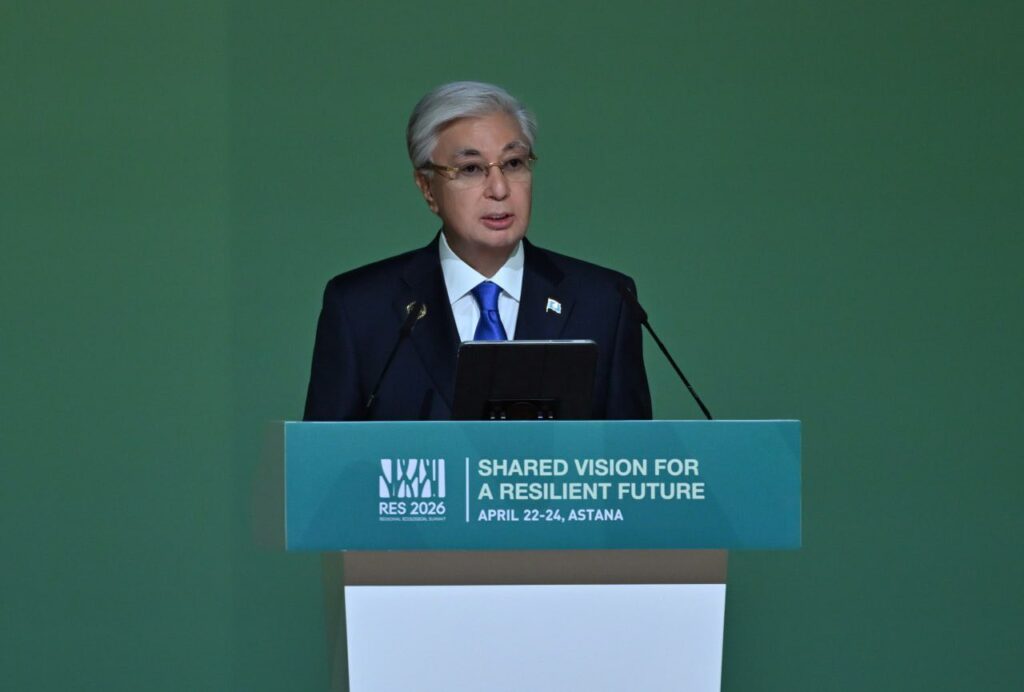
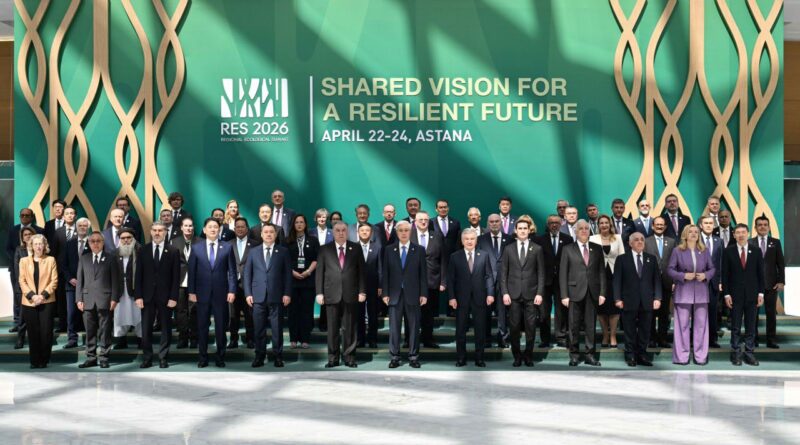
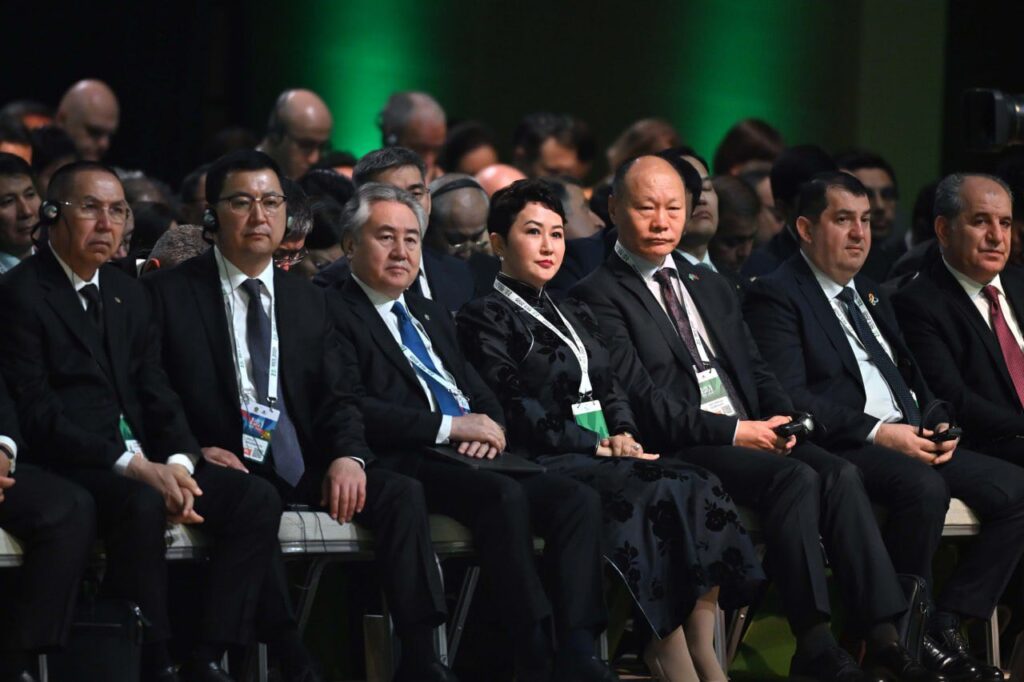
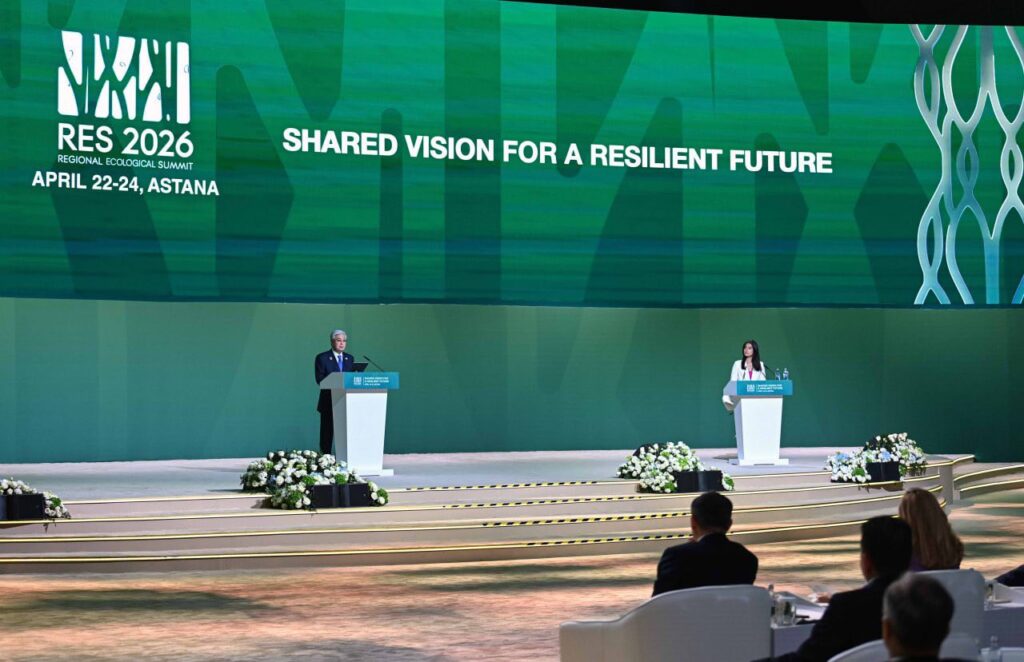
President Kassym-Jomart Tokayev hosted the Regional Ecological Summit in Astana on Earth Day, welcoming heads of state from Central Asia and the Caucasus to address urgent environmental challenges. During his keynote address, Tokayev emphasized that ecology serves as the foundation for human livelihood, transcending climate concerns to encompass clean air, safe water, and food security. The President thanked leaders from Uzbekistan, Kyrgyzstan, Tajikistan, Turkmenistan, Mongolia, Armenia, and Georgia, along with representatives from Russia, Pakistan, and the United Nations, for their participation. He asserted that the summit is a timely necessity for establishing a resilient regional future based on shared responsibility and a unified vision for environmental protection.
Kazakhstan Proposes Global Water Governance Reforms Through UN

Addressing the critical issue of water scarcity, President Tokayev proposed the establishment of an International Water Organization as a dedicated agency under the United Nations. This initiative, originally suggested in Ashgabat, aims to strengthen global governance coherence as the UN reviews its existing mandates. The President highlighted that the Astana summit would host the first round of international consultations regarding this proposal. Tokayev underscored that water security is a primary concern for Central Asia, where future stability depends on managing vital resources wisely and fairly. He called for increased international cooperation to modernize water management systems and implement effective water-saving policies across the region.
Scientific Efforts Revitalize Aral and Caspian Sea Ecosystems
President Tokayev detailed Kazakhstan’s commitment to restoring significant aquatic ecosystems, reporting that 36 percent of the Northern Aral Sea has been successfully restored. This effort has led to improved water quality, replenished fish stocks, and enhanced living conditions for local populations. Furthermore, Kazakhstan has established the Scientific Research Institute of the Caspian Sea to advance regional cooperation and prevent further degradation of the unique natural treasure. The President called for an international ban on military arms in the Caspian region to safeguard its ecological balance. These initiatives reflect Kazakhstan’s broader strategy of using science-based actions to reverse the consequences of past unsustainable environmental policies.
Presidential Mandate Integrates Ecology into National Constitution
In a significant legal development, President Tokayev noted that Kazakhstan’s new Constitution now reflects environmental protection as a fundamental priority of state policy. By embedding ecological safety into the national framework, the government aims to treat environmental prosperity as a core value rather than a technical issue. The President outlined specific policies currently being implemented, including a transition to cleaner energy, the restoration of degraded lands, and the modernization of infrastructure. He emphasized that no single nation can achieve environmental success in isolation, stressing that regional and global efforts must be prioritized to ensure long-term resilience and sustainable development.
read also ; US Extends Ceasefire with Iran Following Diplomatic Intervention by Pakistan
Kazakhstan Advances Clean Energy and Nuclear Power Objectives
President Tokayev reaffirmed Kazakhstan’s commitment to a just and fair energy transition, noting that renewable energy currently accounts for over 7 percent of the nation’s electricity. The country aims to exceed 15 percent by 2030 while maintaining its capacity in the oil and gas sectors. As the world’s leading uranium exporter, Kazakhstan is moving forward with its first nuclear power plant project to support carbon-free electricity generation. Additionally, the modernization of coal-based facilities using clean technologies is expected to reduce emissions by nearly 35 percent. Tokayev argued that the global transition must be balanced and stimulating, allowing emerging economies to grow without compromising environmental standards.
Biodiversity Rebound Highlighted as Success of Restoration Efforts
The summit highlighted significant achievements in biodiversity conservation, with President Tokayev reporting that the snow leopard population in Kazakhstan has more than doubled to approximately 190 animals. The saiga population has also seen a robust rebound due to sustained protection efforts. Kazakhstan continues to reintroduce rare species, including the Turan tiger and Przewalski’s horse, in collaboration with international partners. Furthermore, the nation has planted over 1.5 billion trees across one million hectares in the last five years. These efforts are bolstered by the “Clean Kazakhstan” movement, involving nearly one million volunteers, which underscores the nation’s commitment to environmental awareness and civic responsibility.