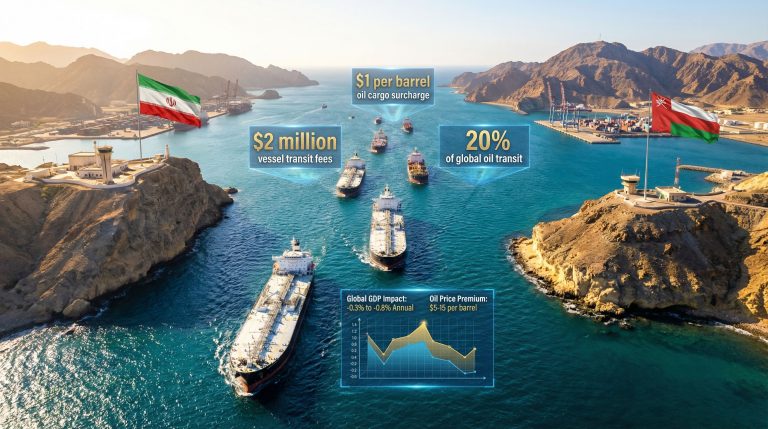
Tehran Collects First Revenue From Strategic Hormuz Shipping Tolls
Iran Confirms Initial Deposits From Maritime Toll Collection
A senior official within the Iranian parliament confirmed on Thursday that Tehran has successfully collected the first round of revenue from tolls imposed on vessels navigating the Strait of Hormuz. Deputy Speaker Hamidreza Hajjibabaei stated that the funds have been officially deposited into the accounts of the Central Bank. According to reports from the Tasnim news agency and other state-aligned media outlets, this development follows weeks of legislative debate regarding the economic weaponization of the strategic waterway. The move represents a formal shift from military obstruction to a structured fiscal levy on international maritime traffic.
Strategic Chokepoint Becomes Central Economic Flashpoint
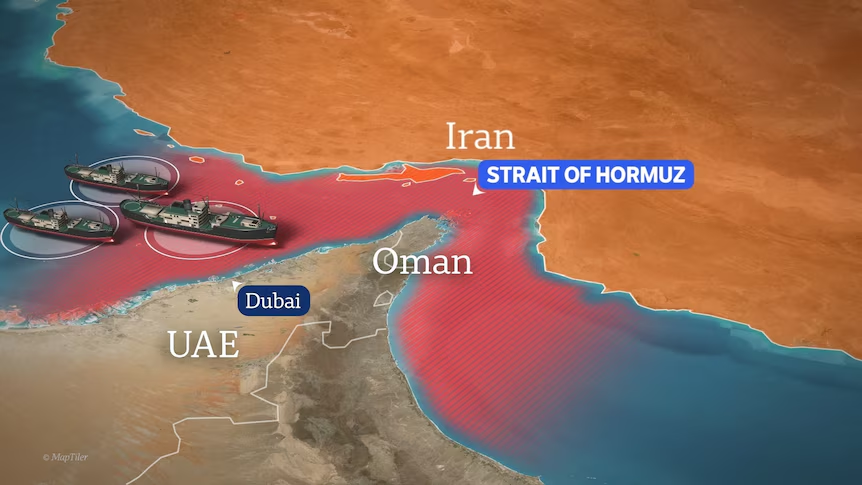
The Strait of Hormuz has served as a primary flashpoint since the current Middle East conflict erupted on February 28. Historically, the waterway has facilitated the transit of approximately 20 percent of the world’s global oil and gas supplies. However, since the commencement of hostilities involving the United States and Israel, Iran has restricted traffic to a minimal number of vessels. The introduction of tolls adds a layer of economic complexity to the military standoff, as Tehran seeks to monetize its geographic advantage while under the pressure of international sanctions and active naval blockades.
Legislative Framework for Permanent Shipping Restrictions
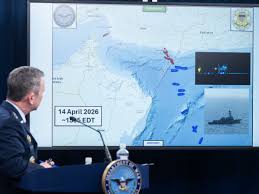
Prior to the announcement of collected revenue, the Iranian parliament’s security commission had been reviewing proposals to formalize these transit fees. While it remains unclear if a final, comprehensive parliamentary vote has occurred, the approval by the security commission on March 30 paved the way for the current implementation. Iranian officials have issued public warnings that maritime traffic through the strait will not return to its pre-war status, suggesting that the toll system is intended to be a permanent fixture of regional maritime policy rather than a temporary wartime measure.
read also ; Pentagon Assessment Predicts Six Months to Clear Hormuz Mines
US Administration Demands Immediate Opening of Waterway
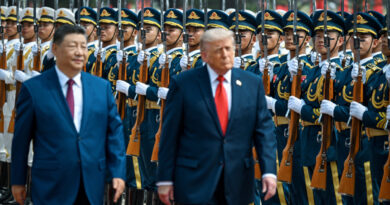
U.S. President Donald Trump has consistently pressured the Iranian government to reopen the Strait of Hormuz and cease interference with international shipping. The Trump administration views the imposition of tolls as an illegal obstruction of freedom of navigation in international waters. This diplomatic tension has been compounded by the U.S.-led naval blockade, which Iran cites as the primary justification for its restrictive measures. The conflicting stances between Washington and Tehran have effectively paralyzed one of the world’s most critical supply chains for energy and vital commodities.
Multinational Coalition Organizes Maritime Protection Mission
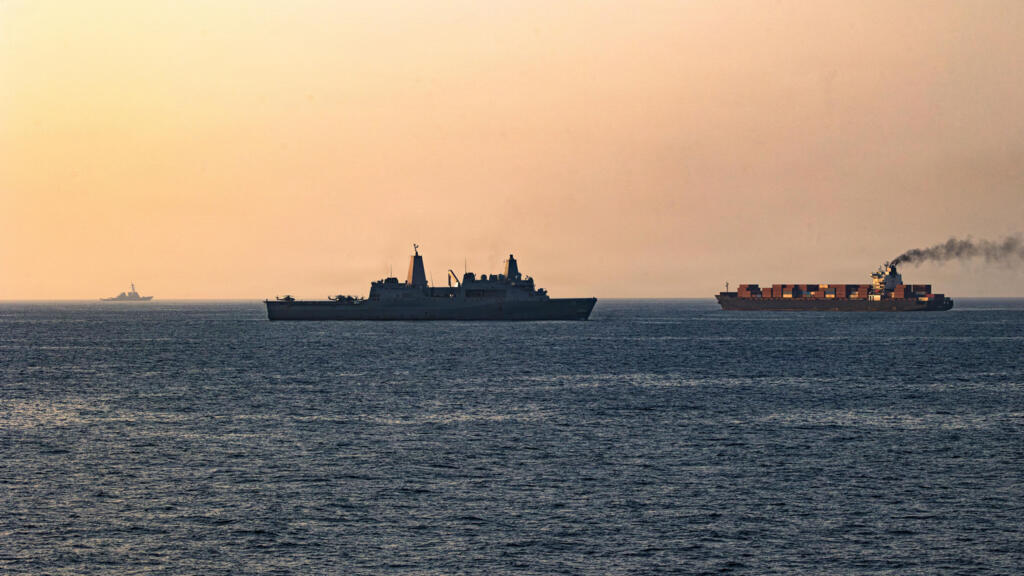
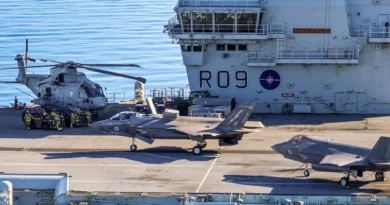
In response to the disruption of trade and the imposition of unilateral tolls, a multinational coalition has begun coordinating a military and diplomatic response. Military planners from more than 30 countries have convened to discuss strategies for protecting merchant vessels and ensuring safe passage. Leadership for this mission has been claimed by the United Kingdom and France, with both nations stating they intend to launch a multinational naval operation as soon as regional conditions allow. This coalition aims to challenge Iran’s claim of authority over the transit fees and restore unrestricted access to the channel.
Impact on Global Commodity Flows and Trade Stability
The restriction of the Strait of Hormuz continues to have profound effects on the global economy, as the route is essential for the movement of oil, liquefied natural gas (LNG), and other essential goods. By allowing only a “trickle” of ships to pass and demanding payment for that passage, Iran has introduced a new variable into global shipping costs and insurance premiums. The statement from the deputy speaker suggests that Tehran is now successfully integrating these tolls into its national budget, further entrenching the current maritime stalemate and complicating future diplomatic negotiations aimed at de-escalation.