President Trump Orders U.S. Navy to Neutralize Iranian Minelayers
Trump Authorizes Lethal Force Against Iranian Maritime Threats
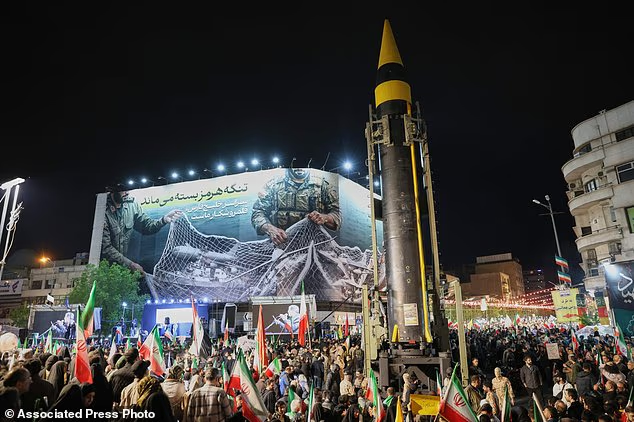
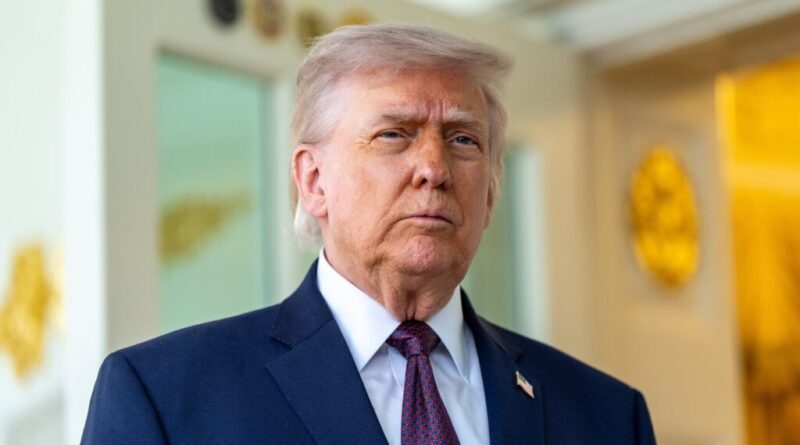
President Donald Trump announced on Thursday that he has formally ordered the United States Navy to engage and destroy any small Iranian vessels observed deploying naval mines in the Strait of Hormuz. In a social media statement, the President emphasized that there should be “no hesitation” in executing the order. This move is a direct response to the continued disruption of international shipping and the use of covert mining tactics by Iranian paramilitary forces. The President clarified that while the broader ceasefire remains in effect, the protection of global trade routes and the neutralization of minelaying activities are non-negotiable security priorities.
Pentagon Seizes Majestic X in International Waters
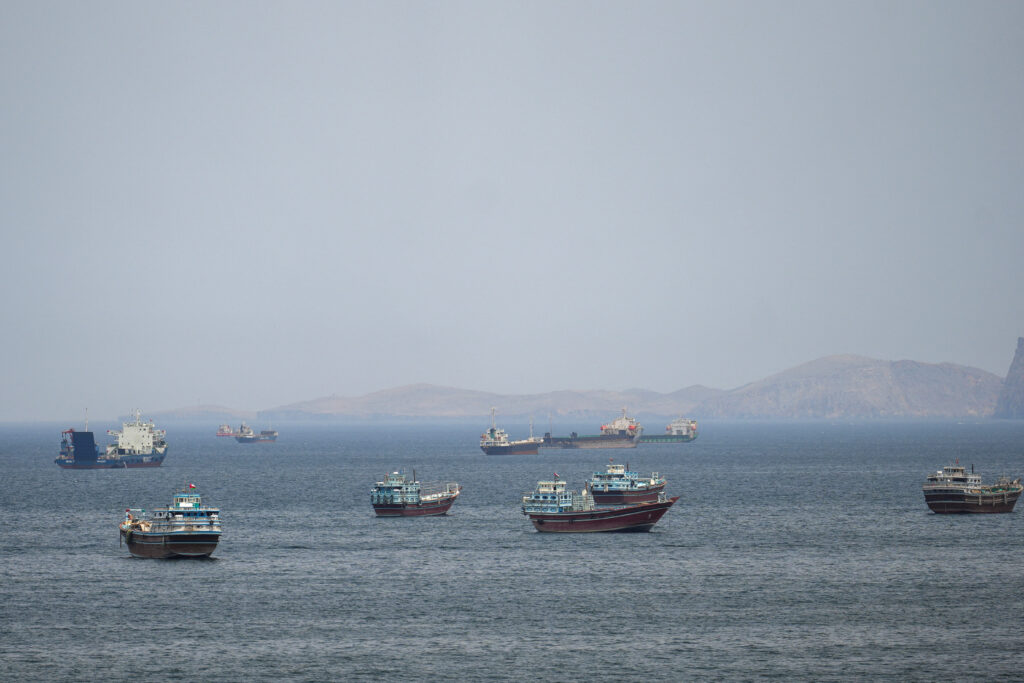
U.S. forces successfully seized the Guinea-flagged oil tanker Majestic X in the Indian Ocean on Thursday, marking another escalation in global maritime enforcement. The vessel, formerly known as the Phonix, was targeted due to its history of smuggling Iranian crude oil in violation of U.S. Treasury sanctions. Pentagon officials released video footage of the interdiction, which took place in the waters between Sri Lanka and Indonesia. This seizure follows the earlier capture of the tanker Tifani and underscores a broader American strategy to dismantle the illicit networks providing material support to the Iranian government during the ongoing conflict.
Tripled Mine-Sweeping Operations Target Waterway Recovery
In addition to the lethal force authorization, President Trump ordered a significant intensification of mine-clearing operations in the Strait of Hormuz. The President directed that these “sweeping” activities be tripled in scale immediately to restore safety to the vital corridor. Approximately 20% of the world’s crude oil and natural gas passes through this chokepoint, and its closure has sent global energy and food prices skyrocketing. The U.S. military is currently working to neutralize the sophisticated mines deployed by the Revolutionary Guards, which have effectively halted commercial traffic and driven maritime insurance premiums to record highs.
Ceasefire Extended Amidst Reports of Tehran Leadership Rift
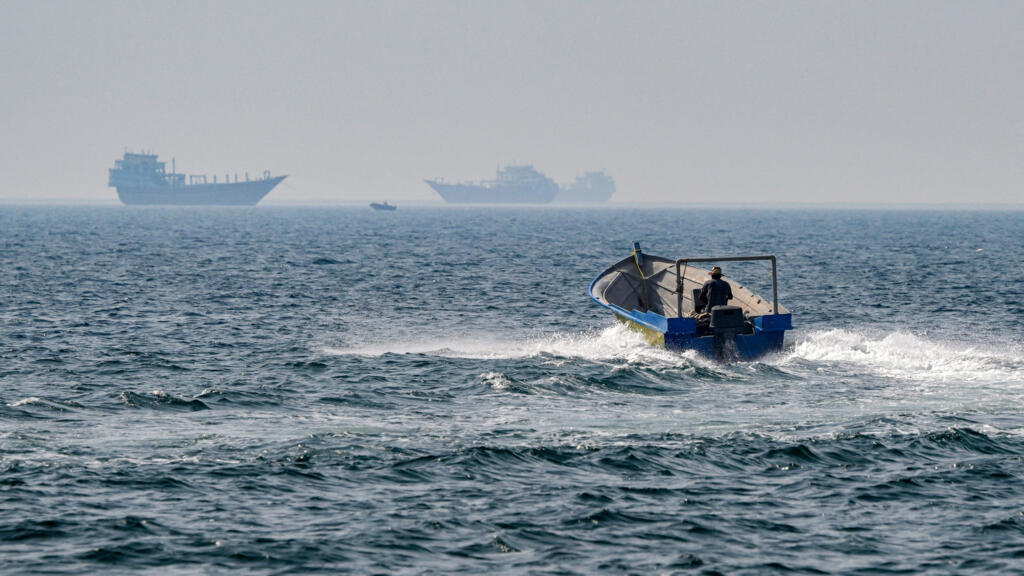
Despite the aggressive maritime maneuvers, President Trump extended the current ceasefire this week to provide Iranian leadership more time to formulate a diplomatic resolution. In separate remarks, Trump claimed that a leadership rift between moderate and hardline factions in Tehran is currently confounding the Islamic Republic’s ability to present a unified proposal. The President suggested that his administration is dealing with specific Iranian officials who favor a deal, though he acknowledged that prior targeted killings of top leaders have complicated the diplomatic landscape. The ceasefire, which began on April 8, remains the only framework currently preventing a return to full-scale regional warfare.
read also ; UN Chief Warns Iran War Pushes Millions Into Poverty
Fragile Israel-Hezbollah Truce Faces Renewed Hostilities
The diplomatic situation in Lebanon remains equally precarious as Israel and Lebanon prepare for a second round of talks in Washington. A separate 10-day truce between Israel and Hezbollah, which went into effect last Friday, was tested on Thursday when Hezbollah reportedly attacked Israeli positions in the southern Lebanese village of Taybeh. Both sides have exchanged accusations of breaching the agreement. This northern front remains a critical component of the broader regional conflict, having been triggered initially by U.S. and Israeli strikes on Iran following Hezbollah rocket fire into northern Israel.
Economic Impact and Stalled Peace Negotiations
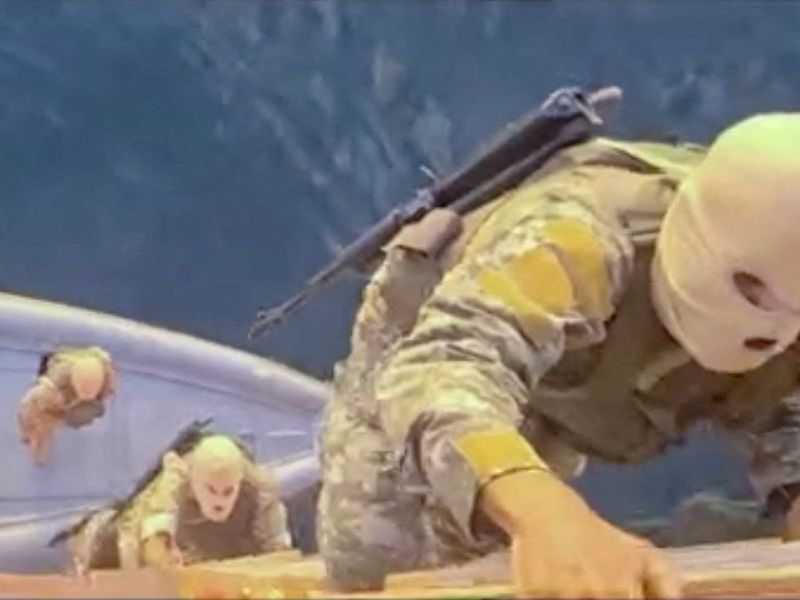
The ongoing standoff has resulted in the attack of over 30 ships since the war’s inception on February 28, nearly paralyzing all exports through the Strait of Hormuz. While Pakistan previously hosted peace talks in Islamabad, there is currently no definitive sign that these negotiations will resume. International officials have warned that the economic consequences of the blockade—ranging from soaring gas prices to disrupted supply chains—could have long-lasting global effects. As the U.S. maintains its blockade of Iranian ports and Tehran restricts traffic through the strait, the international community remains focused on whether a diplomatic deal can be reached before the current ceasefire expires.