US and China Trade Officials Hold Video Summit
Treasury Secretary Bessent and Vice Premier He Talk
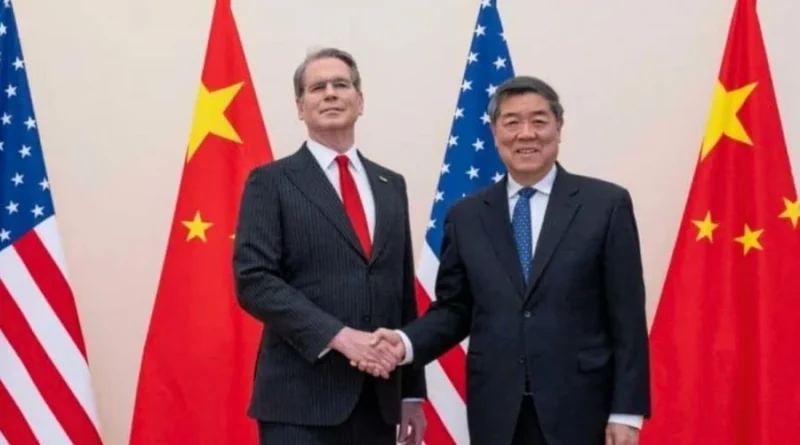
Chinese Vice Premier He Lifeng and senior United States trade officials engaged in a comprehensive video conference on Thursday to address escalating economic tensions. According to reports from the Chinese state broadcaster CCTV, the discussions were described as candid, in-depth, and constructive. The dialogue involved U.S. Treasury Secretary Scott Bessent and U.S. Trade Representative Jamieson Greer, marking a critical step in bilateral communications. This high-level interaction serves as a preliminary effort to stabilize the relationship between the world’s two largest economies ahead of a high-stakes diplomatic encounter.
Strategic Preparations for Upcoming Trump-Xi Diplomatic Summit
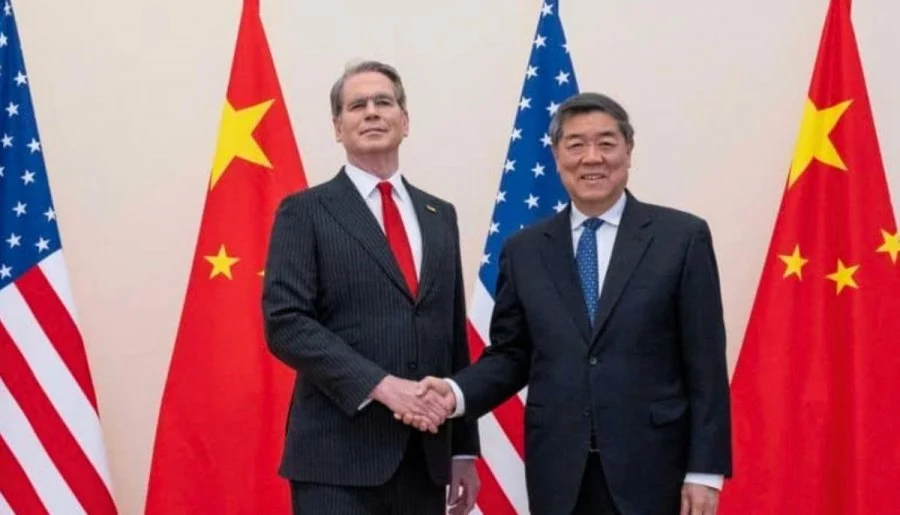
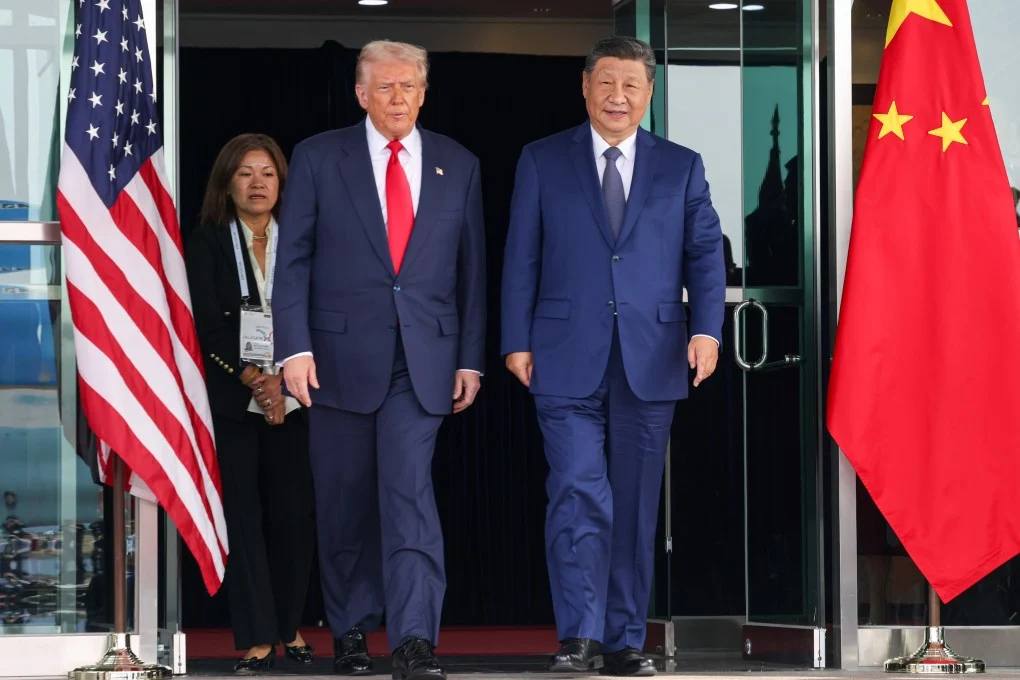
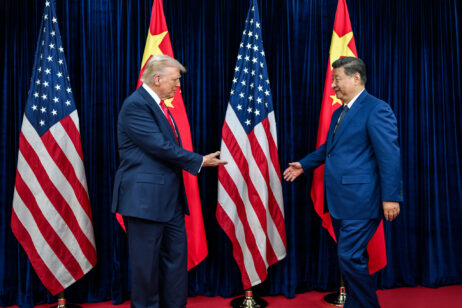
The video call is widely viewed as a foundational session intended to pave the way for a potential summit between U.S. President Donald Trump and Chinese President Xi Jinping. Scheduled for mid-May, the anticipated meeting follows a period of significant economic friction. Officials focused on reducing immediate tensions to ensure a productive environment for the two heads of state. This latest engagement follows a previous in-person meeting between the three officials held in Paris during March, highlighting a continuous effort to maintain a functional channel for trade negotiations.
Chinese Officials Detail Serious Concerns Over Trade Measures
During the proceedings, the Chinese delegation officially expressed serious concerns regarding recent restrictive trade measures implemented by the United States. Despite these grievances, both sides reached a consensus on the necessity of managing differences and strengthening pragmatic cooperation. The primary objective stated by Beijing was the proper resolution of economic issues of mutual concern. Both nations signaled a commitment to promoting a healthy, stable, and sustainable development of their economic relations, which have been strained by recent policy shifts and regulatory actions.
Reviewing the Recent History of Bilateral Trade Truces
The current diplomatic climate is shaped by an uneasy trade truce established last October during a meeting in Busan, South Korea. That agreement temporarily halted a months-long cycle of tit-for-tat trade escalations initiated by the “Liberation Day” tariffs. While the relationship has remained largely calm in the preceding months, new complications have emerged. Geopolitical shifts and energy supply issues stemming from the ongoing conflict involving Iran have added layers of complexity to the trade dynamic, requiring renewed attention from both Washington and Beijing.
Leveraging Economic Policies Ahead of High-Level Negotiations
As the mid-May summit approaches, both Washington and Beijing are actively seeking to increase their respective leverage. The United States recently moved to curb tool shipments to a leading Chinese chipmaker, citing national security and supply chain integrity. Conversely, Beijing has introduced new trade measures that analysts suggest could significantly impact American efforts to diversify supply chains. These strategic maneuvers indicate that while both sides are talking, they are also fortifying their economic positions to ensure the best possible terms during the upcoming presidential negotiations.
Financial Sector Response and Recent US Treasury Trends
The broader financial landscape is reflecting these geopolitical shifts, with Wall Street banks notably increasing their holdings of U.S. Treasuries. Reports indicate that these holdings have reached their highest levels since 2007. Financial analysts suggest this trend reflects a growing belief among institutional investors that now is an opportune time to invest in fixed income. The movement in the bond market underscores the global sensitivity to U.S.-China relations, as the outcome of these trade talks has direct implications for international market stability and long-term economic forecasting.
read also ; China Denies Allegations of Weapons Shipments to Iran Following Maritime Seizure
Commitment to Sustainable Economic Development and Cooperation
The conclusion of the video call saw both parties reaffirming their intent to expand cooperation where possible while acknowledging deep-seated systemic differences. The focus remains on “pragmatic cooperation” to prevent economic decoupling that could harm global growth. By maintaining this dialogue, officials hope to mitigate the risk of renewed trade wars that characterized previous years. The international community is now looking toward the mid-May summit as the ultimate indicator of whether these preliminary talks successfully established a durable framework for future U.S.-China economic engagement.